What This Document Is
This document provides a foundational exploration of demand concepts within the field of microeconomics. Specifically, it delves into the core principles that explain how and why individuals make choices regarding the goods and services they consume. It’s designed as a comprehensive overview of the forces shaping market demand, moving beyond simple definitions to examine the underlying motivations and constraints influencing consumer behavior. This material is part of an introductory economics course at the university level.
Why This Document Matters
This resource is invaluable for students beginning their study of economics, particularly those seeking to grasp the fundamental building blocks of market analysis. It’s especially helpful for anyone preparing to analyze real-world economic scenarios, understand pricing strategies, or predict consumer responses to changes in market conditions. Students encountering difficulty with core economic principles, or those needing a solid base for more advanced coursework, will find this particularly useful. It’s best utilized *before* tackling more complex models or case studies.
Common Limitations or Challenges
This document focuses on the theoretical underpinnings of demand. It does not offer pre-solved problems, empirical data sets, or detailed mathematical derivations. While it lays the groundwork for understanding market dynamics, it doesn’t cover advanced topics like game theory, behavioral economics, or specific industry analyses. It also assumes a basic understanding of economic terminology like “cost” and “benefit.”
What This Document Provides
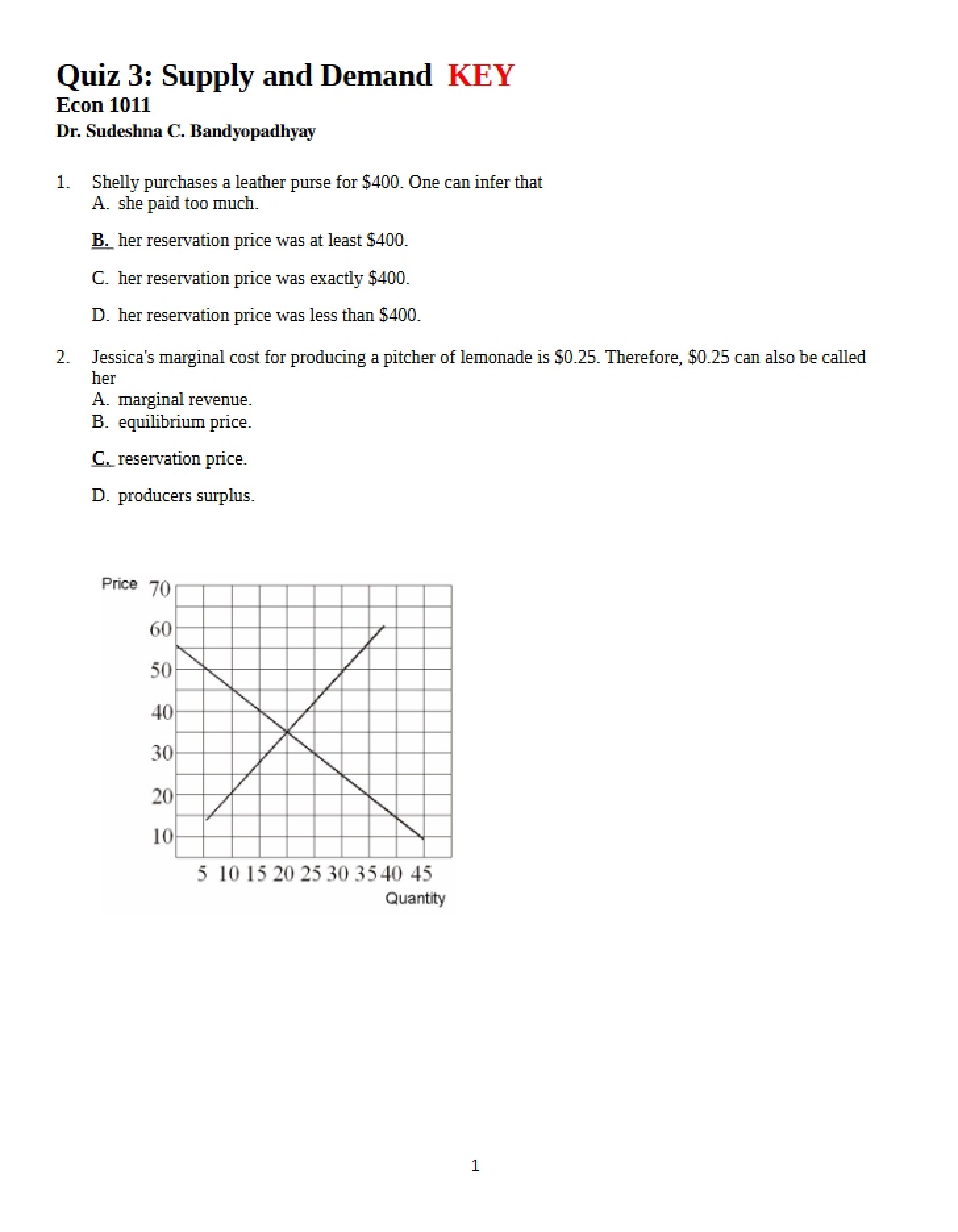
* An explanation of the relationship between price and quantity demanded, rooted in a core economic principle.
* A discussion of the factors that shape an individual’s willingness to purchase goods and services.
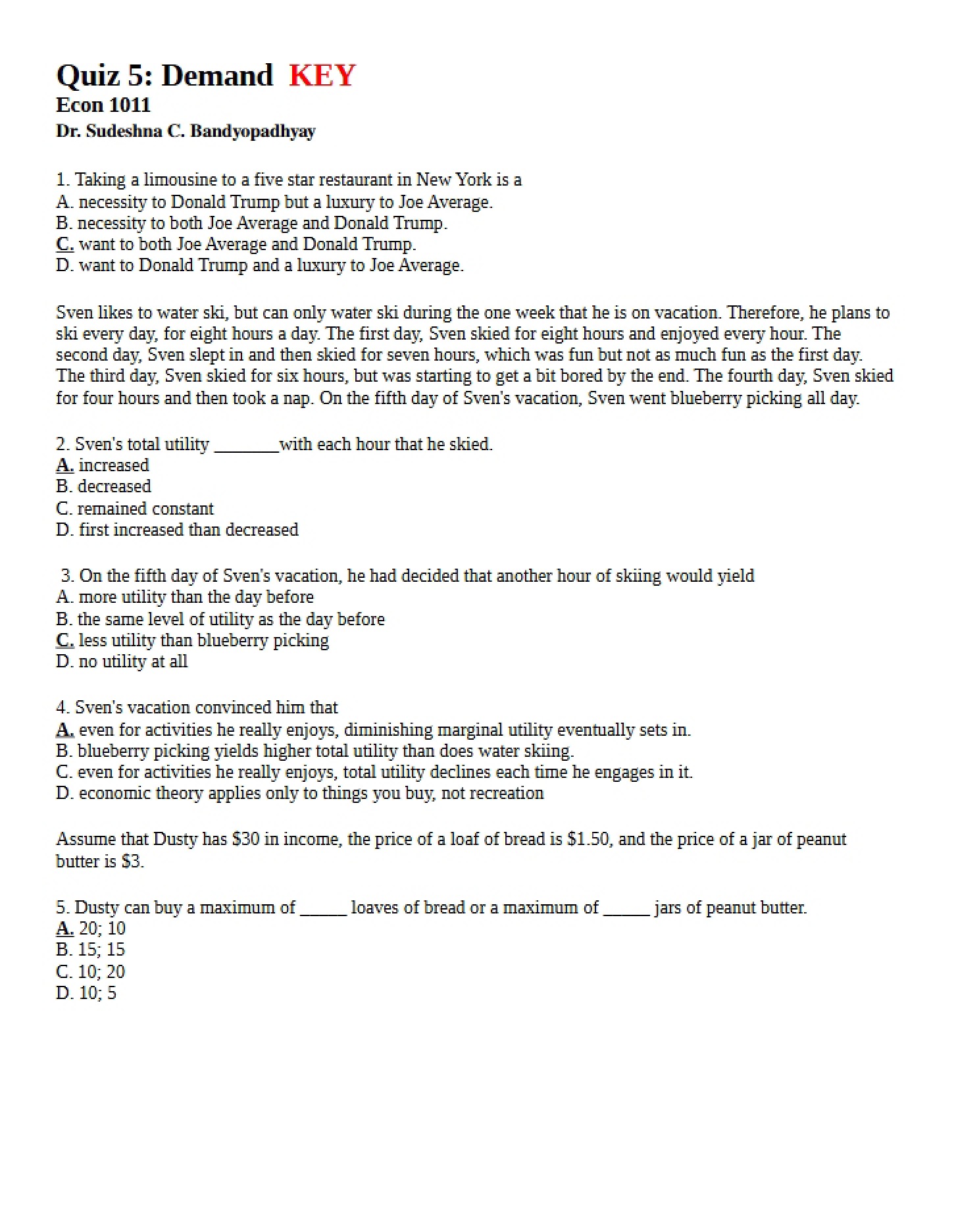
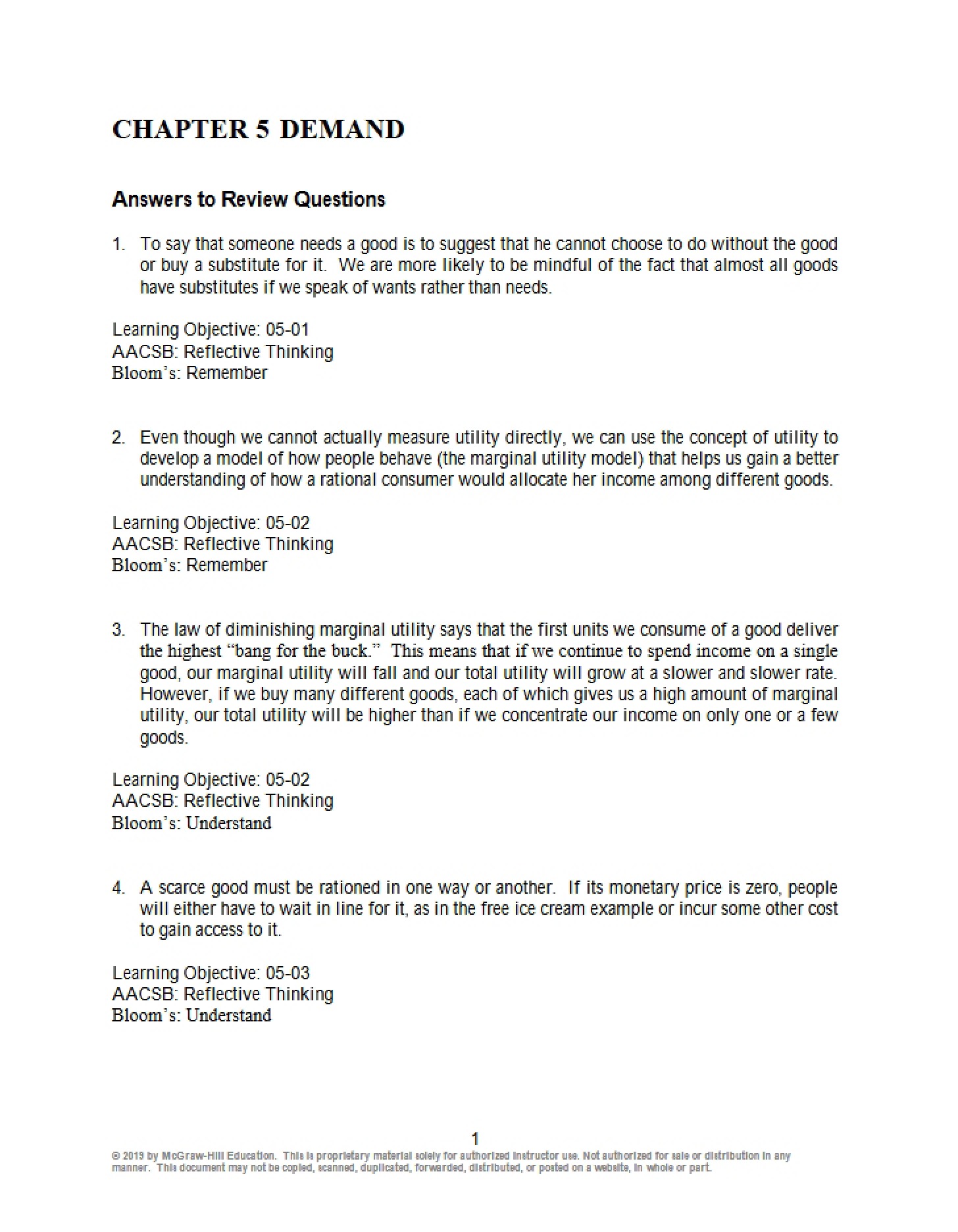
* An exploration of the concept of “utility” and its role in consumer decision-making.
* An examination of how individual preferences translate into broader market demand.
* A framework for understanding how consumers allocate limited resources to maximize satisfaction.
* Definitions of key terms related to consumer behavior and market analysis.