What This Document Is
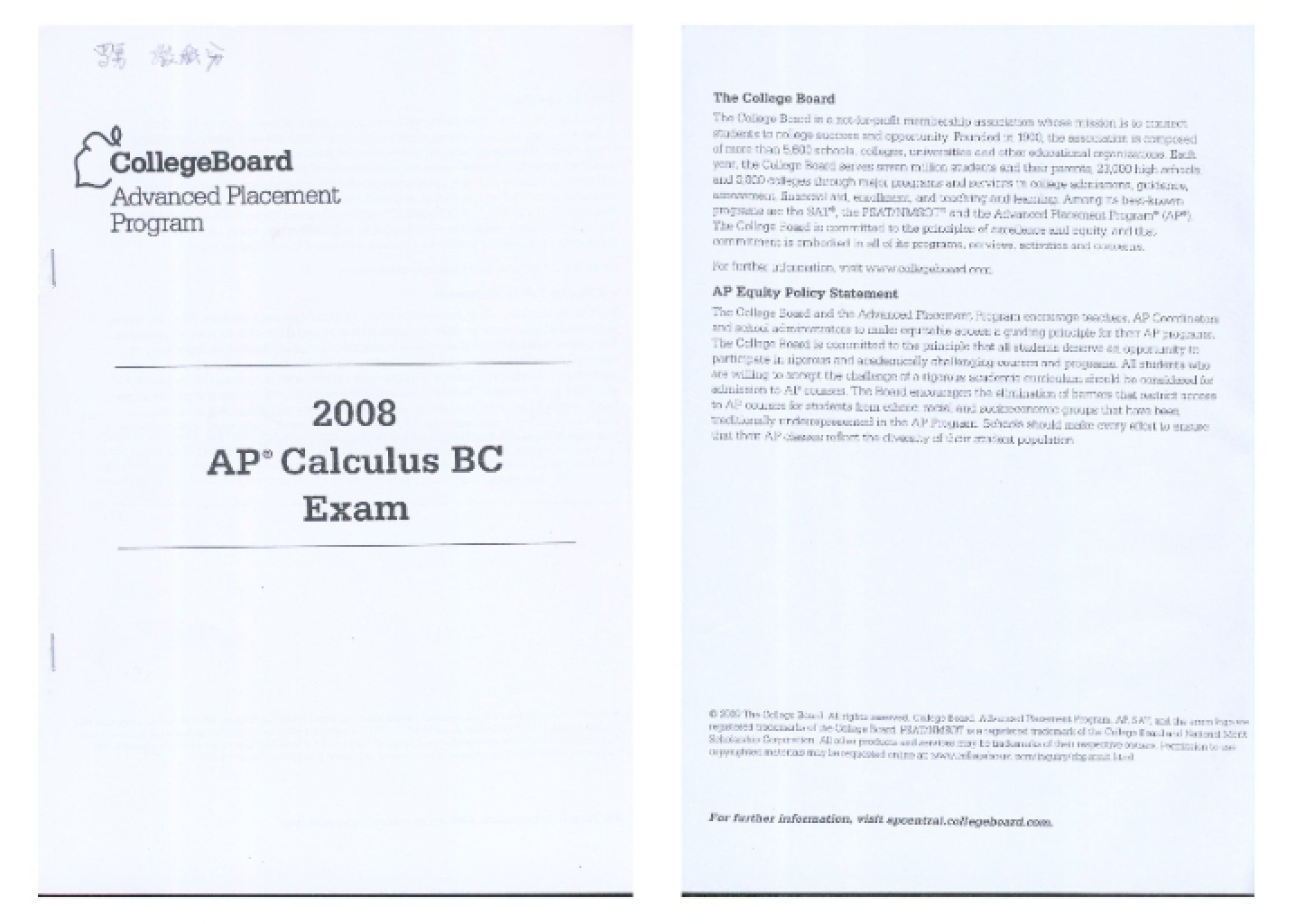
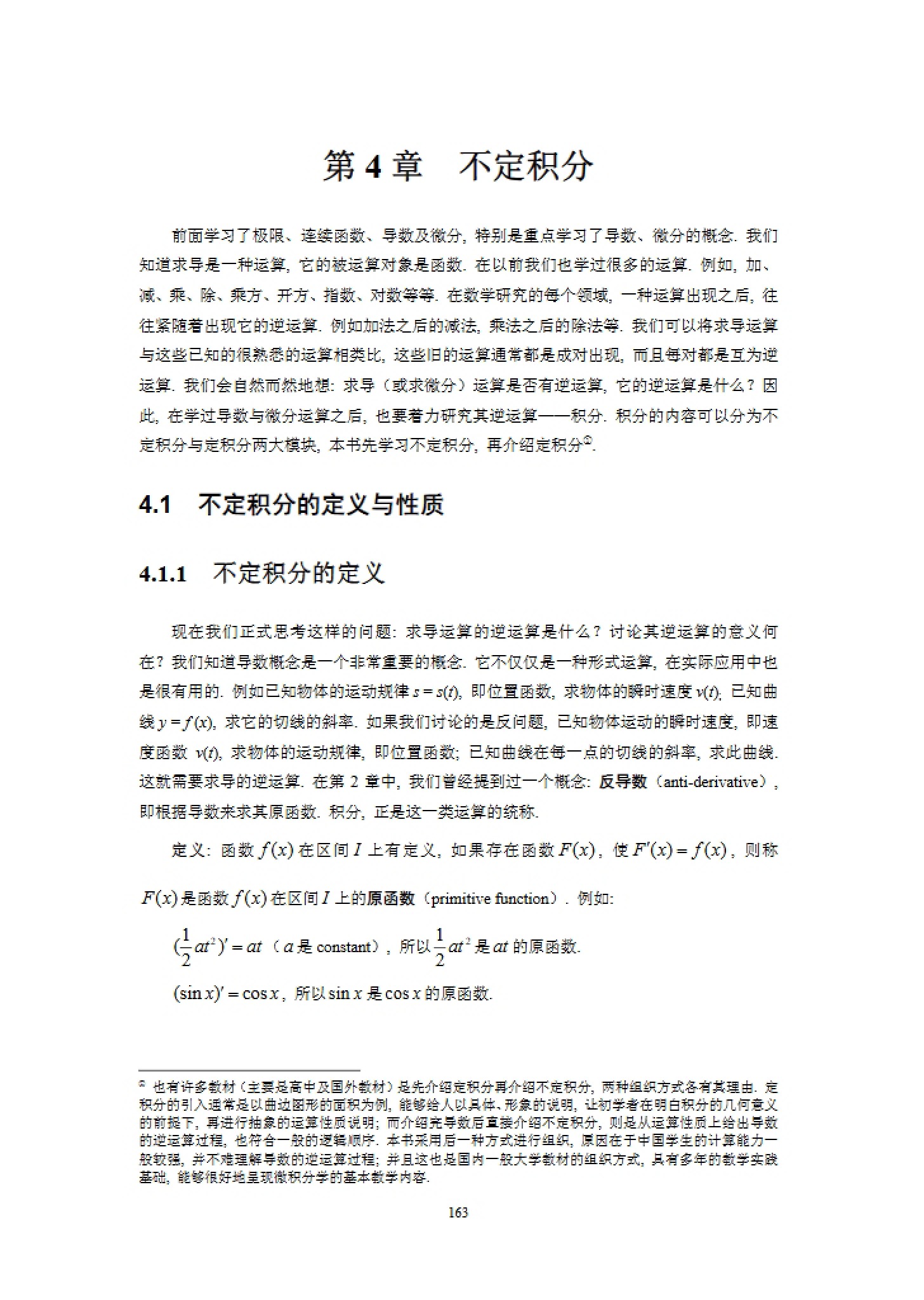
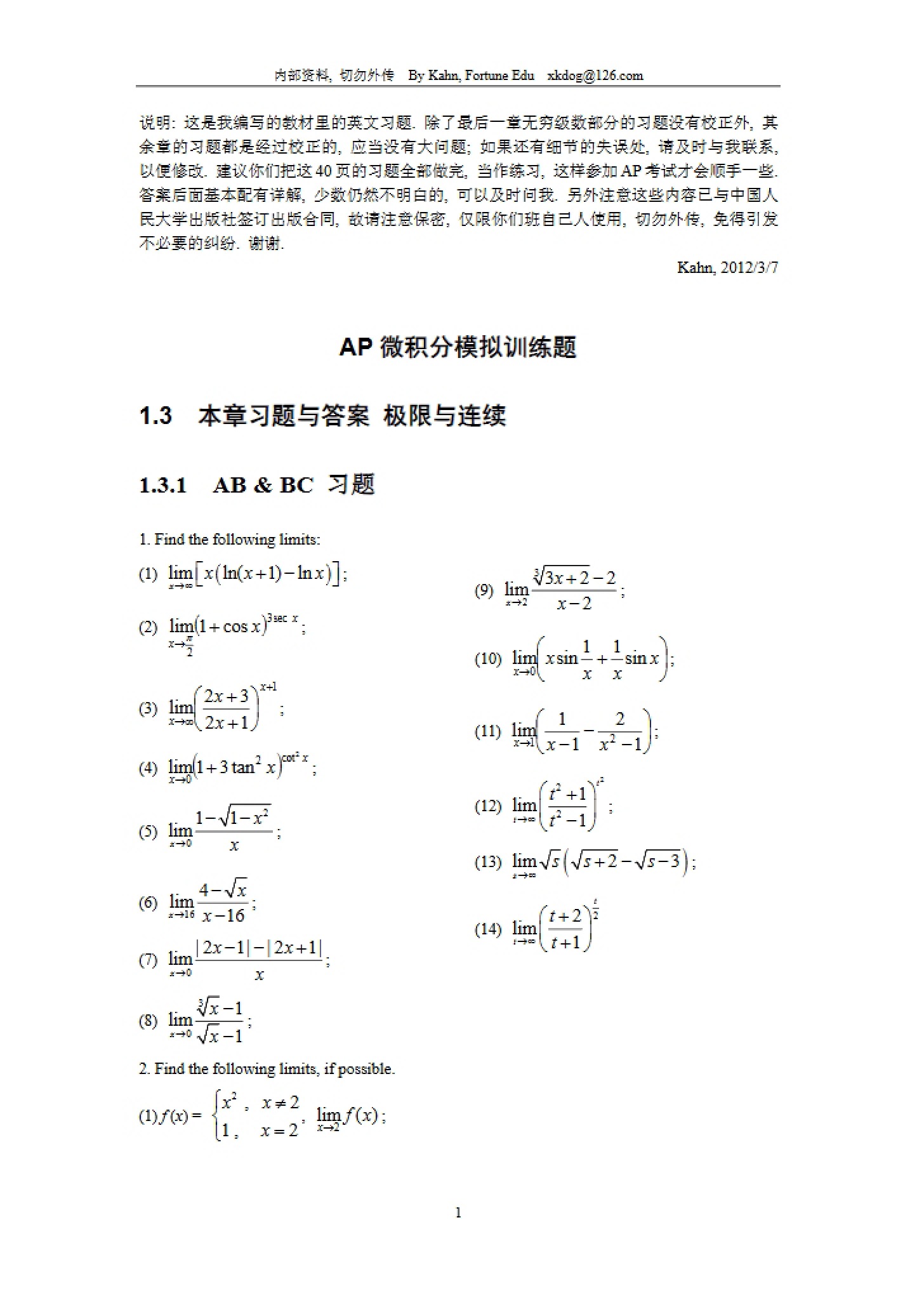
This resource is a compilation of previously administered questions from the Advanced Placement (AP) Calculus BC exam, prepared by New Oriental. It’s designed to familiarize students with the format, style, and scope of questions encountered on this challenging college-level examination. The material focuses on the BC level of Calculus, which includes all topics from Calculus AB plus additional concepts like parametric equations, polar coordinates, and series.
Why This Document Matters
This collection is invaluable for students currently enrolled in an AP Calculus BC course, or those preparing for the exam independently. It’s particularly useful during the review phase of study, allowing students to test their understanding of key concepts under timed conditions that mimic the actual exam environment. Working through past papers builds confidence, identifies areas needing further study, and helps refine test-taking strategies. Students aiming for a strong score and potential college credit will find this a crucial study aid.
Common Limitations or Challenges
This document provides a set of past exam questions, but it does *not* include detailed explanations or step-by-step solutions. It’s intended as a practice tool, requiring students to already possess a solid foundation in Calculus BC concepts and problem-solving techniques. Furthermore, while representative of the exam, the questions included may not cover *every* possible topic or question type. Access to supplementary learning materials and a qualified instructor is recommended for comprehensive preparation.
What This Document Provides
* A collection of questions from a specific administration of the AP Calculus BC exam.
* Questions covering a range of Calculus BC topics, including limits, derivatives, integrals, and related applications.
* An opportunity to practice applying Calculus BC concepts in a standardized test format.
* A means to assess current understanding and identify areas for improvement.
* Material designed to build familiarity with the exam’s question types and difficulty level.