What This Document Is
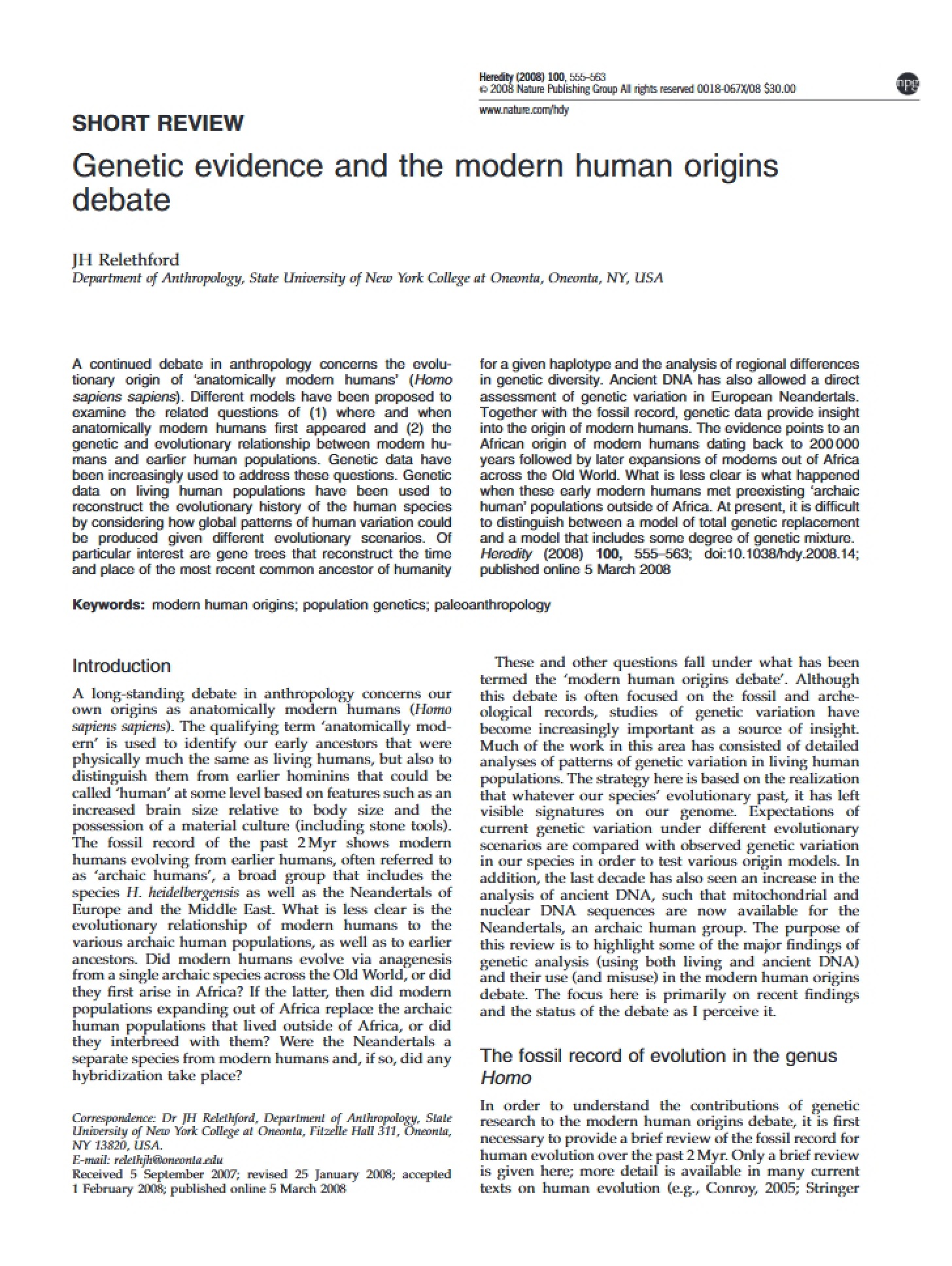
This document represents part one of a lecture series focused on the foundational principles of genetics as they relate to understanding human evolution. Specifically, it delves into the historical development of evolutionary thought, contrasting early ideas about the origins of life with the mechanisms proposed by key scientists like Darwin and Wallace. It sets the stage for a deeper exploration of how traits are inherited and how genetic variation arises within populations. This material is designed to build a strong conceptual base for more advanced topics in primate genetics and paleoanthropology.
Why This Document Matters
Students enrolled in introductory anthropology, particularly those in courses covering human evolution, primate behavior, or genetics, will find this resource invaluable. It’s especially helpful for those seeking to grasp the historical context of evolutionary theory and the core concepts that underpin modern genetic analysis. Use this as a preparatory resource before diving into complex genetic data or as a review tool to solidify your understanding of the fundamental principles. It’s ideal for students who benefit from a clear explanation of the scientific debates that shaped our current understanding of life’s diversity.
Common Limitations or Challenges
This material provides a foundational overview and does not include detailed molecular biology or advanced statistical analyses. It focuses on the conceptual framework of genetics and evolution, rather than offering step-by-step instructions for genetic calculations or laboratory techniques. It also doesn’t cover the full breadth of modern genetics – this is part one of a larger discussion. Access to the complete resource is required for a comprehensive understanding of the subject.
What This Document Provides
* An overview of historical perspectives on the origins of life, including creationism and early evolutionary theories.
* A comparison of different mechanisms proposed for inheritance, such as the inheritance of acquired characteristics and natural selection.
* A discussion of the key figures involved in the development of evolutionary theory, including Darwin and Wallace.
* An introduction to the core principles of natural selection and how populations adapt to changing environments.
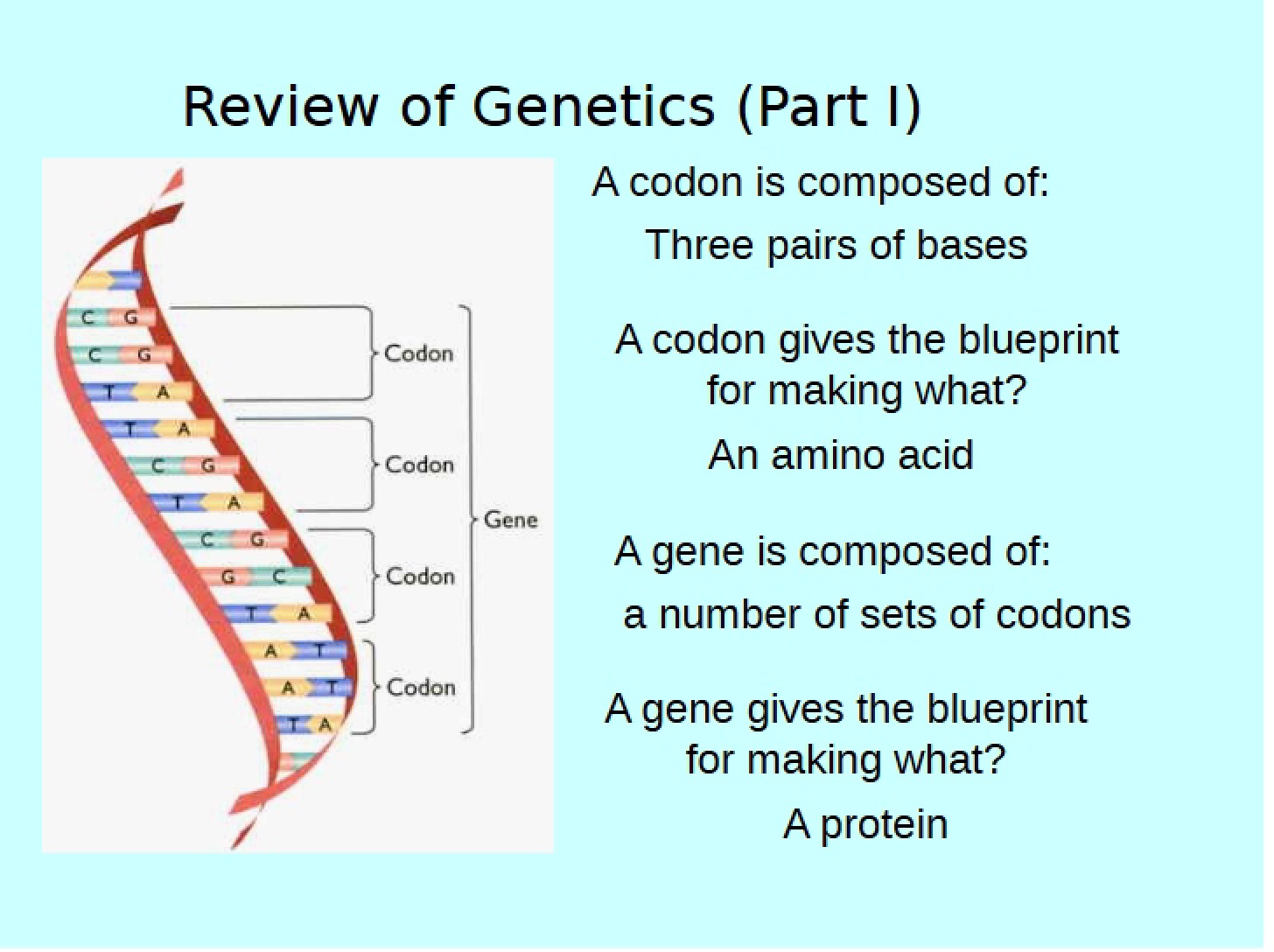
* A foundational understanding of the relationship between genetics and evolution, setting the stage for exploring the molecular basis of inheritance.