What This Document Is
This is a past exam from BIO 2110 – Principles of Molecular and Classical Genetics, administered at Wright State University in 2014. It’s designed to assess student understanding of core concepts covered in the genetics course, focusing on applying theoretical knowledge to problem-solving. The exam covers a range of topics within genetics, requiring both calculations and conceptual explanations. It’s a substantial assessment, consisting of ten questions, each worth ten points.
Why This Document Matters
This resource is invaluable for students currently enrolled in or preparing for similar genetics courses. It’s particularly useful for self-assessment, allowing you to gauge your comprehension of key principles and identify areas needing further study. Working through practice problems, even without the solutions, helps build confidence and familiarity with the exam format. It’s best utilized *after* you’ve engaged with course materials – lectures, readings, and assignments – to test your ability to integrate and apply what you’ve learned. It can also be helpful for understanding the types of questions your professor might ask.
Common Limitations or Challenges
This document represents a specific assessment from a particular course and instructor. While the core genetic principles are universal, the specific emphasis and question style may vary. This exam does not include explanations or worked-out solutions; it’s purely the assessment itself. It also doesn’t cover *all* potential topics within molecular and classical genetics, so it shouldn’t be considered a comprehensive study guide. Accessing the full document is required to fully benefit from its practice potential.
What This Document Provides
* Questions relating to population genetics, including calculations of effective population size.
* Problems involving allele frequencies and selection pressures.
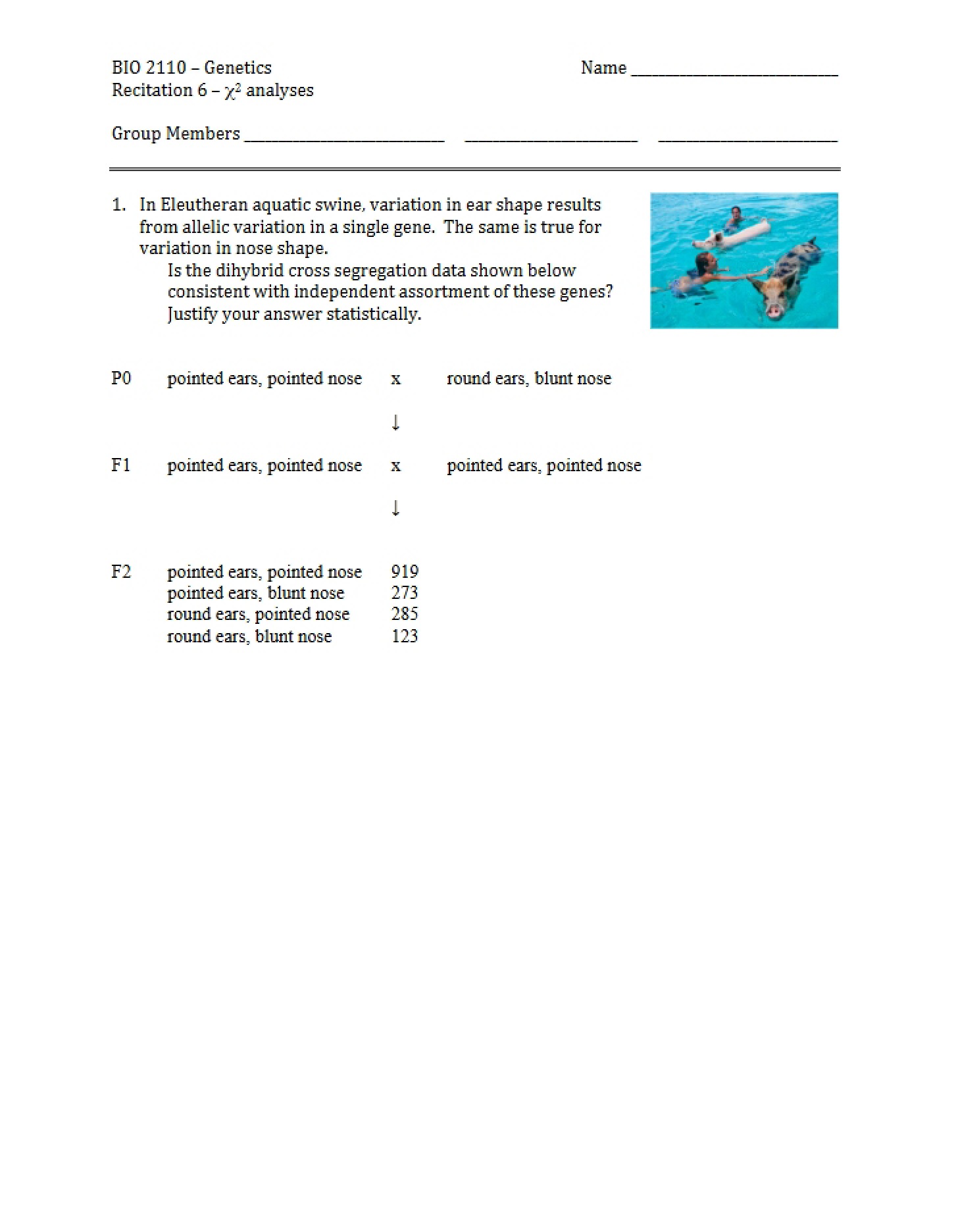
* Scenarios requiring analysis of inheritance patterns and gene interactions.
* Exercises focused on linkage disequilibrium and determining relationships between genetic loci.
* Tasks involving the application of inbreeding coefficients to population data.
* Problems relating to molecular evolution and estimating divergence times between species.
* A section referencing potentially useful formulae (available on the last page of the full document).