What This Document Is
This is a past exam from BIO 2110 – Principles of Molecular and Classical Genetics, administered at Wright State University in 2015. It’s designed to assess student understanding of core genetic principles covered in the course, focusing on topics explored in the second exam of the semester. The exam format includes a variety of question types requiring both conceptual understanding and problem-solving skills. It tests application of genetic theory to diverse organisms, from *Drosophila* to *C. elegans* and plants.
Why This Document Matters
This resource is invaluable for students currently enrolled in or preparing for a similar genetics course. It provides a realistic assessment of the types of questions and the level of detail expected by instructors in this field. Utilizing this exam as a study tool allows students to identify knowledge gaps and focus their preparation on key areas. It’s particularly helpful for self-assessment and practicing exam techniques under timed conditions. Reviewing this exam can help build confidence and reduce test anxiety.
Common Limitations or Challenges
Please note that this document represents a specific exam from a past semester. While the core principles of genetics remain constant, specific details, emphasis, and question wording may vary in subsequent exams. This resource should be used as a supplement to, not a replacement for, comprehensive course study and current learning materials. It does not include an answer key or detailed explanations of the solutions.
What This Document Provides
* Questions covering Mendelian genetics and deviations from these patterns.
* Problems relating to chromosome behavior during meiosis, including pairing, recombination, and nondisjunction.
* Scenarios involving gene mapping and calculating recombination frequencies.
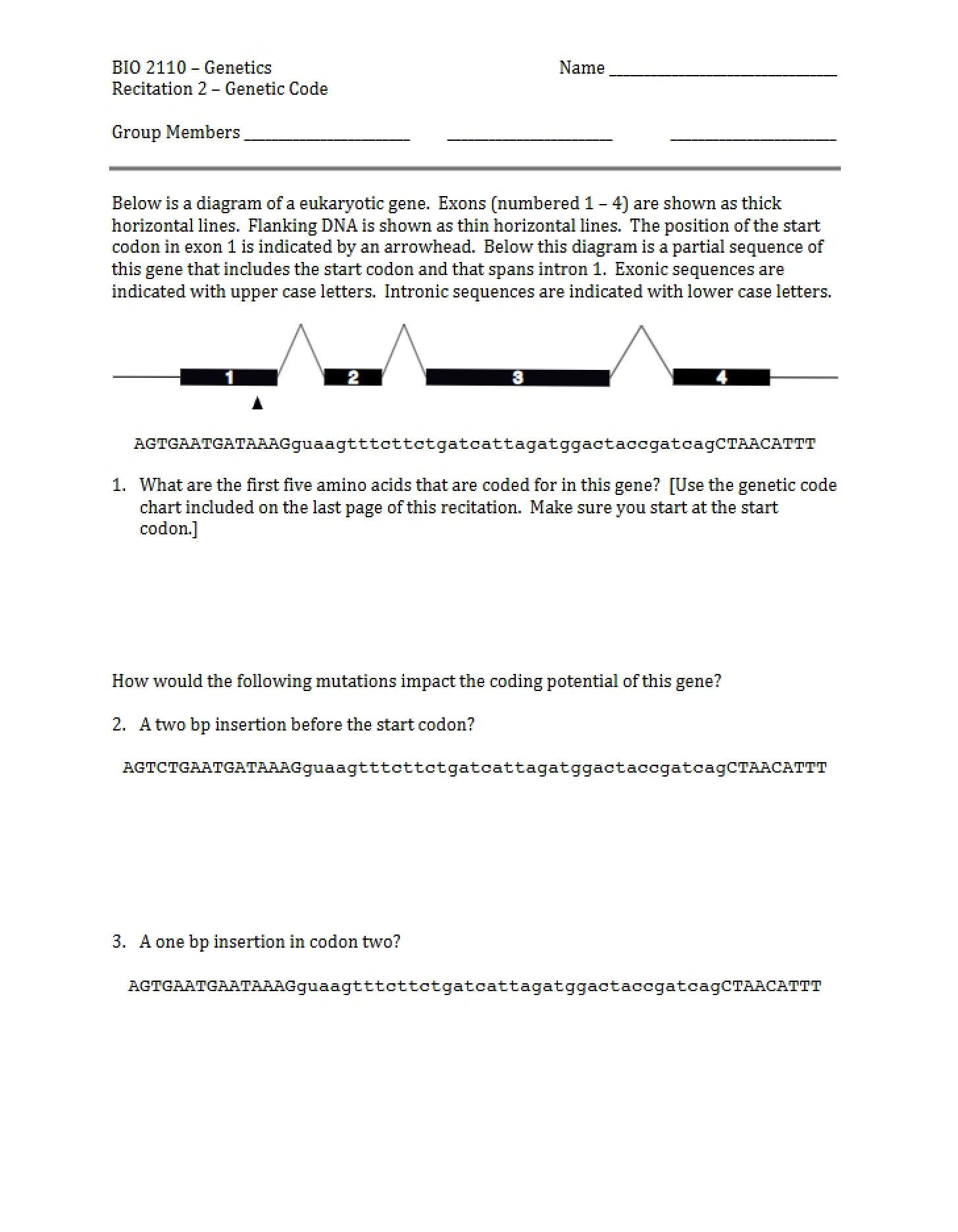
* Questions exploring the molecular basis of mutation and its effects on gene function.
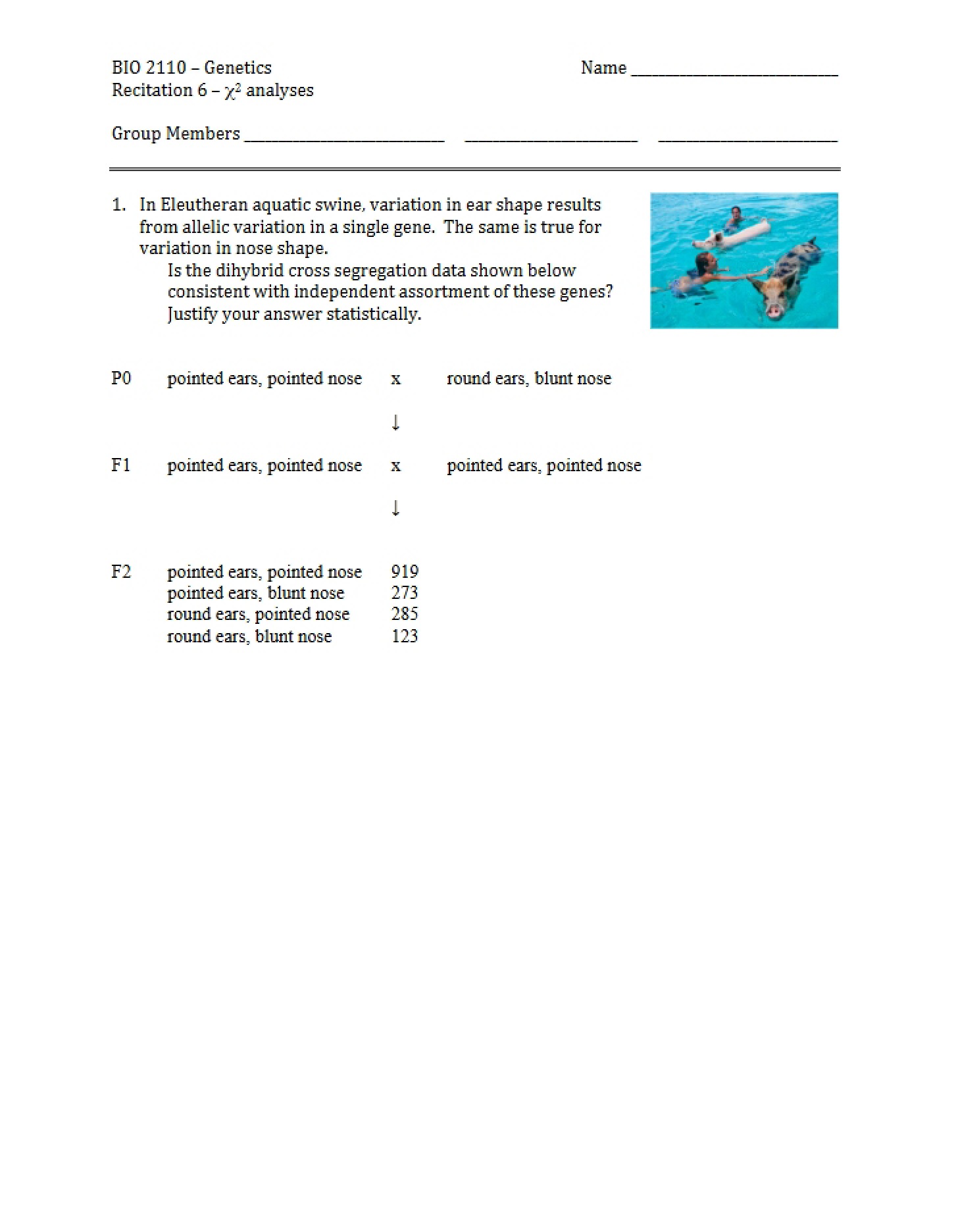
* Problems requiring statistical analysis of genetic crosses to test hypotheses.
* Application of genetic principles to diverse organisms like *Drosophila*, *C. elegans*, and plants.
* Questions relating to the mechanisms of meiotic recombination, including double-strand break repair.