What This Document Is
This study guide supplements the Applied Regression Analysis (STAT 333) course at the University of Wisconsin-Madison. It focuses on practical application of regression techniques, specifically addressing the identification and handling of potential outliers within datasets. The material centers around discussion problems designed to reinforce core concepts covered in lectures and readings. It delves into the nuances of model fitting, assessment, and refinement in the context of real-world data scenarios.
Why This Document Matters
Students enrolled in STAT 333, or those with a foundational understanding of linear regression, will find this resource particularly valuable. It’s ideal for reinforcing understanding *after* attempting related problem sets, or when preparing for more complex analytical tasks. Individuals aiming to strengthen their ability to critically evaluate regression model results and address data quality issues will also benefit. This guide is especially helpful when you need to move beyond theoretical knowledge and apply statistical principles to practical data analysis challenges.
Common Limitations or Challenges
This resource is not a substitute for attending lectures, completing assigned readings, or engaging with the core course materials. It does not provide a comprehensive introduction to regression analysis; rather, it assumes a base level of understanding. It focuses on specific discussion problems and does not cover all possible scenarios or advanced regression techniques. Furthermore, it does not offer fully worked-out solutions – it’s designed to guide your own problem-solving process.
What This Document Provides
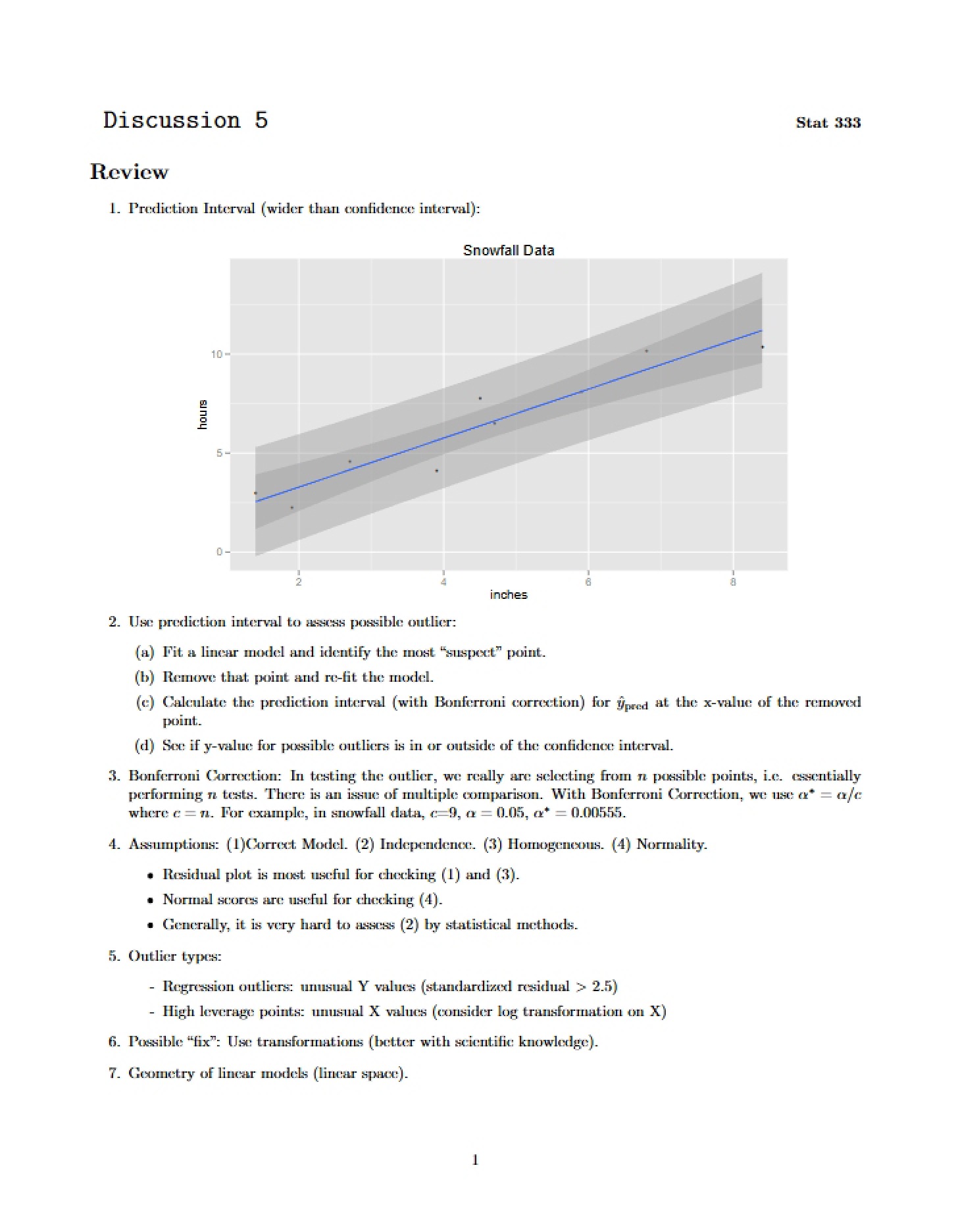
* Exploration of methods for identifying potentially unusual observations in a regression context.
* Discussion of statistical corrections for multiple comparisons when testing for outliers.
* Analysis of real-world datasets, including one focused on HIV viral load and genotypic sensitivity scores.
* Guidance on assessing the validity of regression assumptions through diagnostic plots.
* Consideration of data transformations to improve model fit and satisfy regression assumptions.
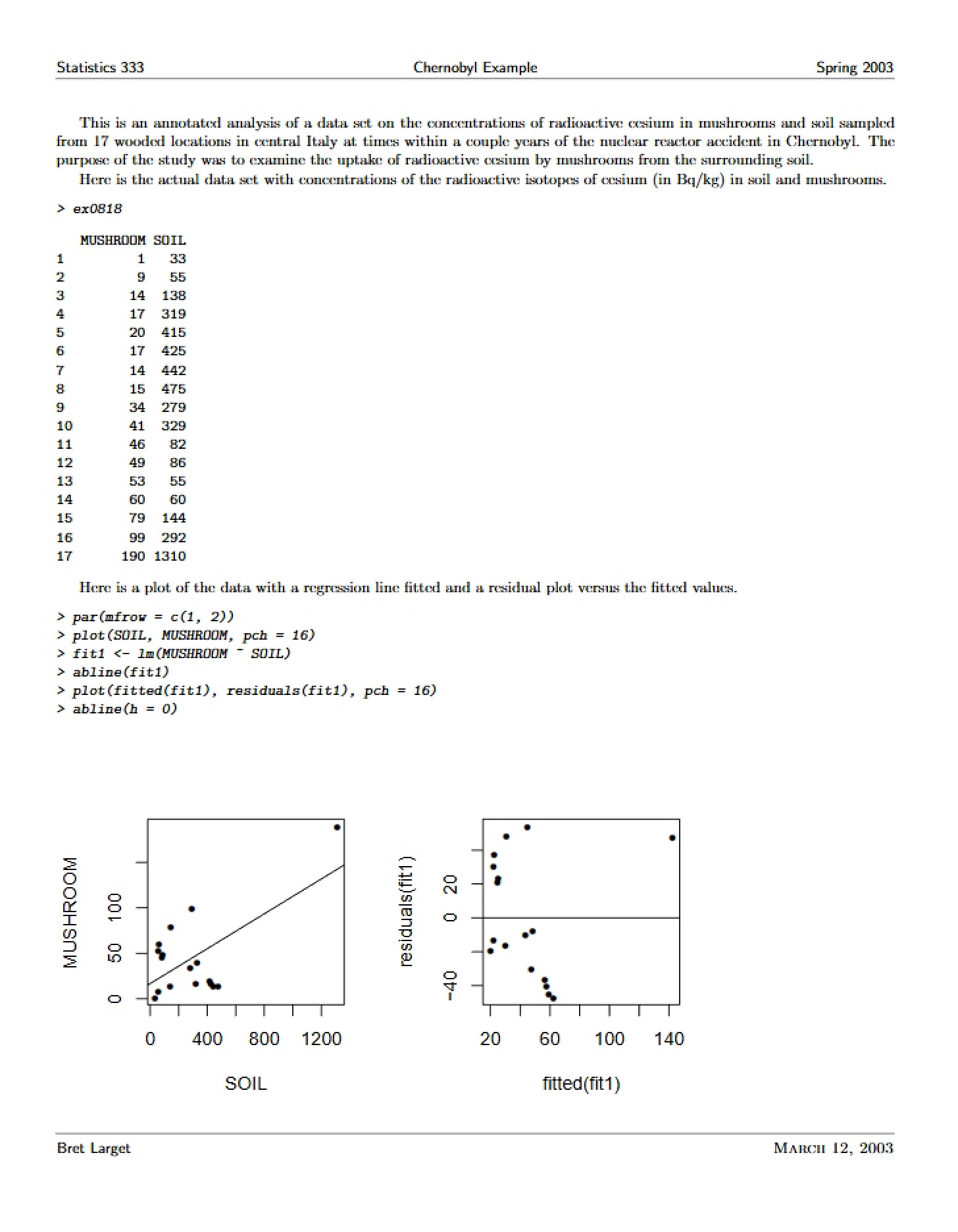
* Comparative analysis of model performance with and without identified outliers.