What This Document Is
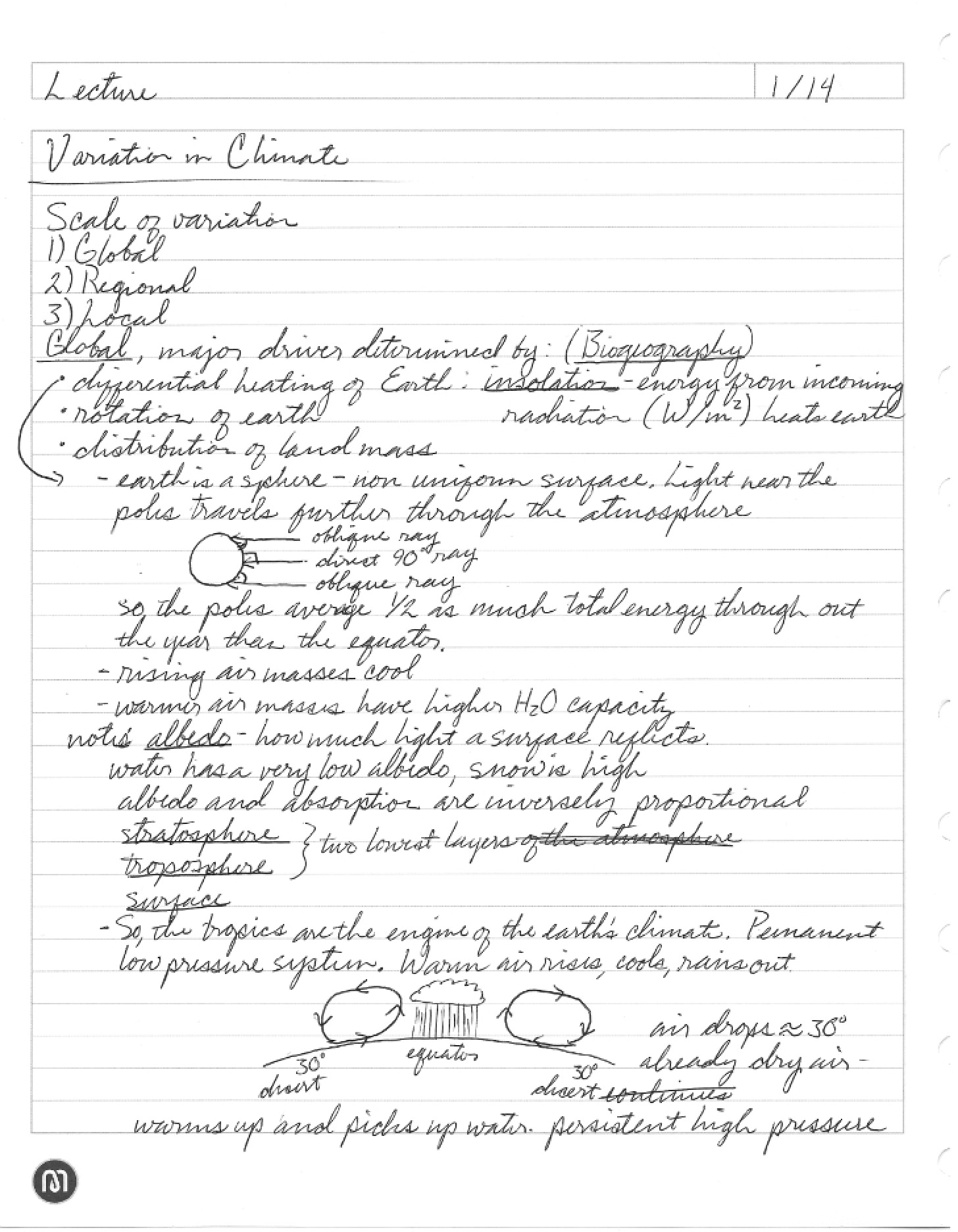
These are comprehensive academic notes designed to support learning in ZOOL 3450: Ecology at Weber State University. This resource focuses on core ecological principles and concepts, offering a structured overview of the subject matter as it’s likely presented in the course. It’s intended to be a detailed companion to lectures and assigned readings, helping students synthesize information and build a strong foundational understanding. The notes cover a range of topics within ecology, from the individual organism level to broad-scale ecosystem dynamics.
Why This Document Matters
This study guide is particularly beneficial for students who want to proactively reinforce their understanding of ecological concepts. It’s ideal for use *during* lectures to aid note-taking, *after* lectures for review and clarification, and *during* exam preparation. Students who struggle with organizing complex ecological relationships or who want a more detailed explanation of key terms will find this resource especially helpful. It’s designed to complement, not replace, course materials and active participation in class.
Common Limitations or Challenges
While these notes aim for thoroughness, they do not include direct solutions to assigned problem sets or detailed analyses of specific case studies covered in the course. They are not a substitute for attending lectures, completing assigned readings, or engaging with the instructor and teaching assistants. The notes also assume a basic understanding of foundational biological principles; they do not provide a comprehensive review of introductory biology. Access to the full resource is required to unlock the detailed explanations and supporting information.
What This Document Provides
* Detailed outlines of major ecological themes.
* Explanations of key terminology frequently used in ecological studies.
* Connections between different levels of ecological organization (individual, population, community, ecosystem).
* Overviews of important ecological processes and interactions.
* Frameworks for understanding complex ecological relationships.
* Potential areas of focus for further study within the field of ecology.