What This Document Is
This is a comprehensive study guide focusing on the foundational principles of Human Anatomy, specifically exploring the diverse world of tissues. Created for students enrolled in NURS 101 at the University of Delaware, this resource delves into the structures and functions of the four primary tissue types – epithelial, connective, muscle, and nervous – and their various subtypes. It’s designed to support your understanding of how these tissues contribute to the overall organization and physiological processes within the human body.
Why This Document Matters
This study guide is an invaluable resource for nursing students and anyone seeking a deeper understanding of human anatomy. It’s particularly helpful when preparing for quizzes, exams, or simply reinforcing concepts learned in lectures. If you’re looking to solidify your knowledge of tissue characteristics, classifications, and functional roles, this guide offers a focused and organized approach to learning. It’s best used in conjunction with your course textbook and lecture notes to maximize comprehension.
Topics Covered
* Epithelial Tissue: Structure, classification, and key functions.
* Connective Tissue: Types, matrix components, and roles in support and binding.
* Muscle Tissue: Characteristics of skeletal, cardiac, and smooth muscle.
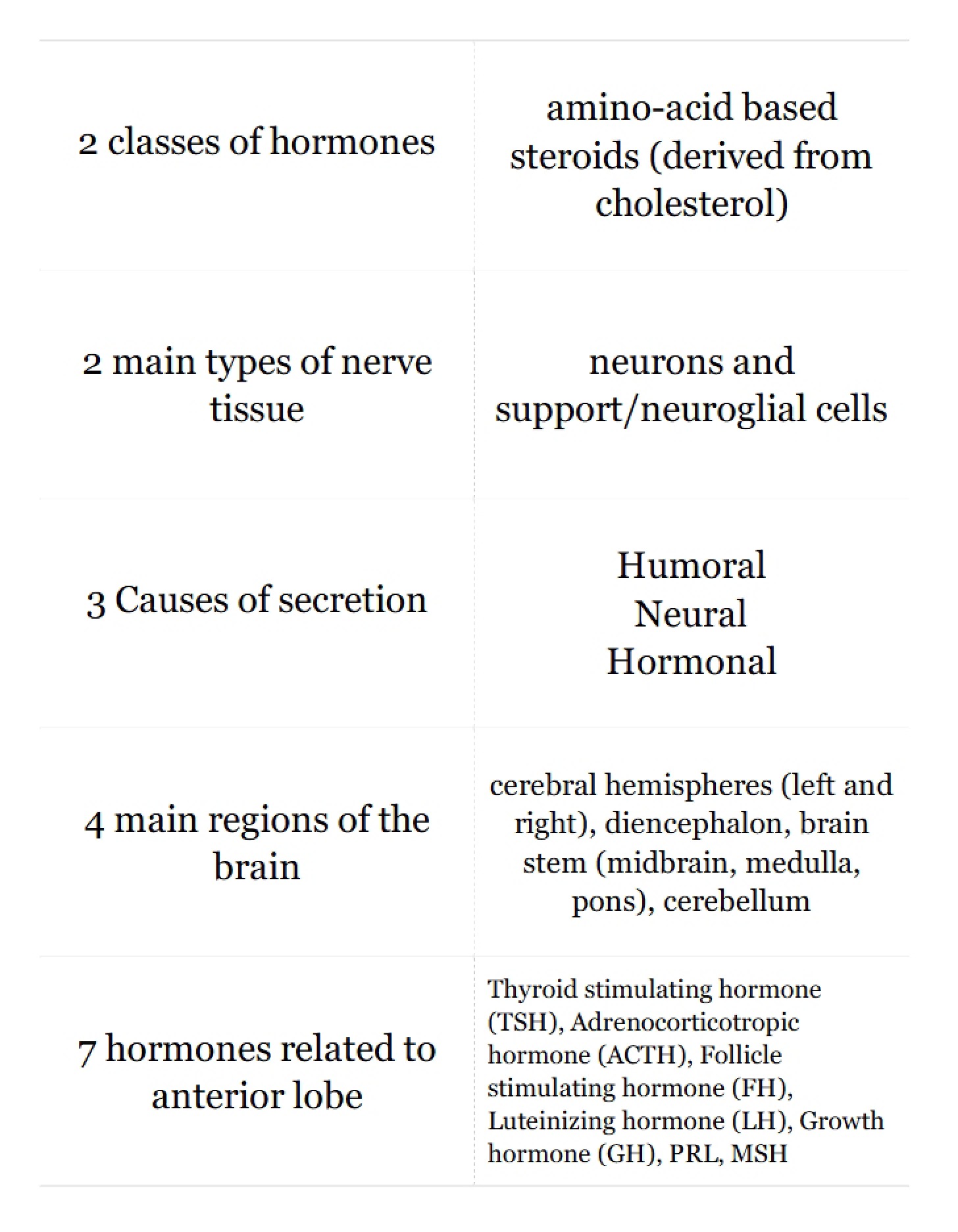
* Nervous Tissue: Structure and function of neurons and supporting cells.
* Tissue Repair: Processes of regeneration and fibrosis.
* Specific Tissue Subtypes: Detailed exploration of various tissue types like adipose, areolar, bone, cartilage (hyaline, elastic, fibrocartilage), and blood.
* Extracellular Matrix: Composition and importance.
What This Document Provides
* A structured overview of the four primary tissue types.
* Detailed descriptions of various tissue subtypes and their defining characteristics.
* Key functional roles associated with each tissue type.
* Connections between tissue structure and physiological processes.
* A focused resource for understanding tissue classification and organization within the body.