What This Document Is
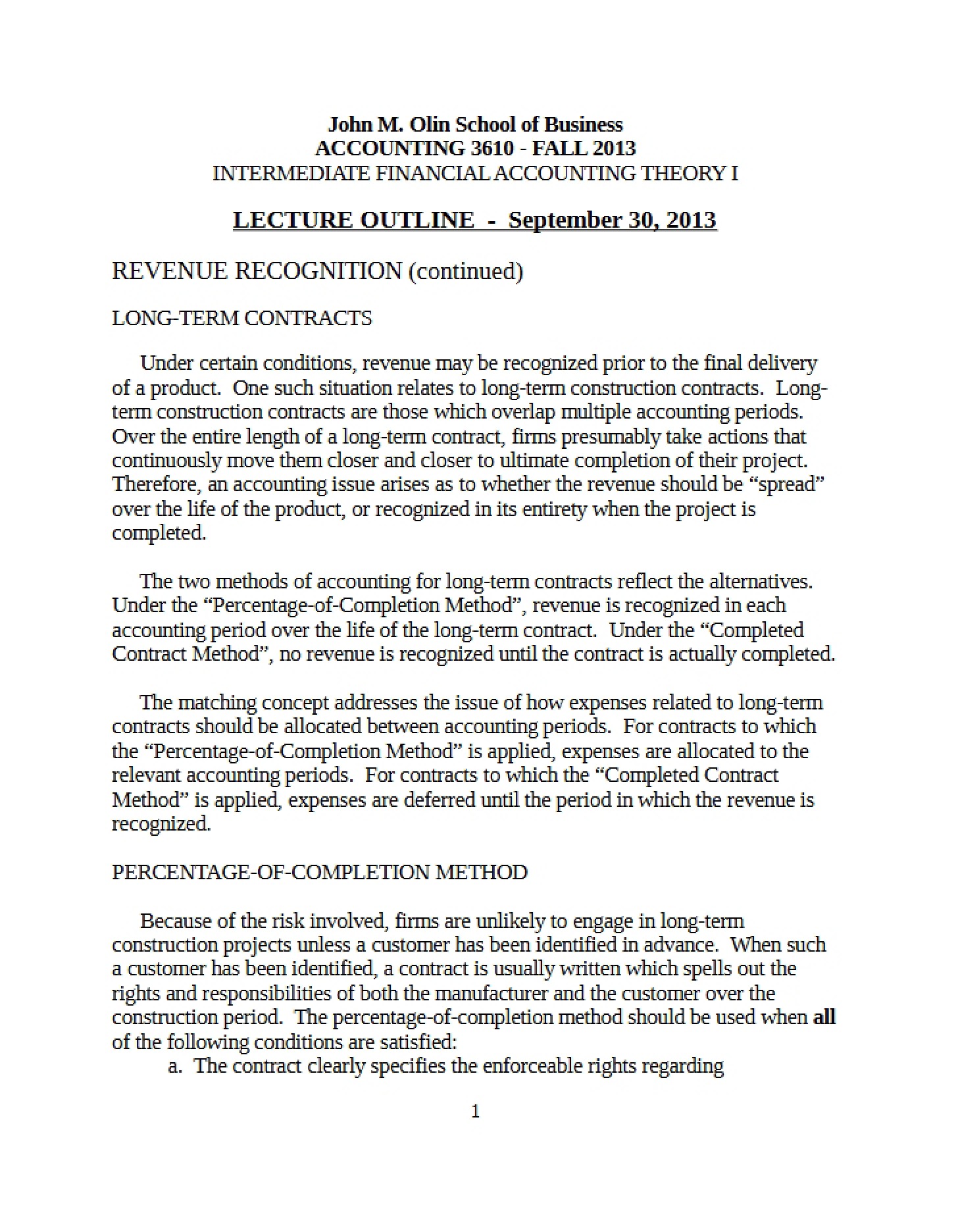
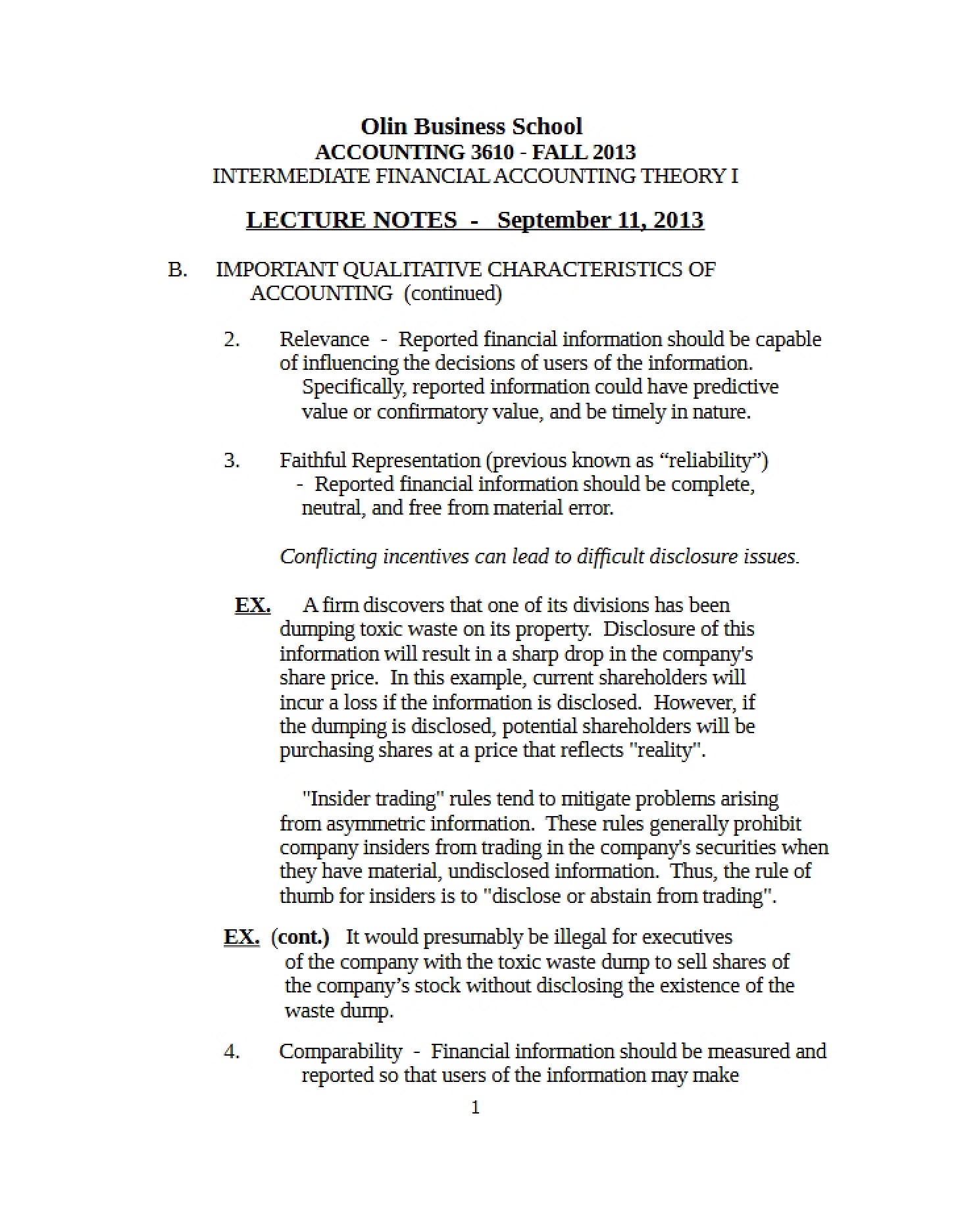
This document presents lecture outline material from an Intermediate Financial Accounting Theory I course (ACCT 3610) at Washington University in St. Louis, dated September 23rd, 2013. It delves into core concepts within the accounting cycle, building upon foundational accounting knowledge. The focus is on theoretical underpinnings and practical applications related to financial statement preparation and adjustments. It explores advanced topics beyond basic journal entries and ledger maintenance.
Why This Document Matters
Students enrolled in intermediate accounting courses – particularly those seeking a deeper understanding of *why* accounting principles work, not just *how* to apply them – will find this resource valuable. It’s ideal for reinforcing lecture material, preparing for more complex assignments, and building a strong conceptual framework for future accounting studies. Those aiming for careers in public accounting, corporate finance, or related fields will benefit from a solid grasp of these theoretical concepts. It’s best used in conjunction with textbook readings and class discussions.
Common Limitations or Challenges
This material represents a specific lecture’s content and does not encompass the entirety of the course. It assumes a pre-existing understanding of basic accounting principles and terminology. It does not offer step-by-step solutions to accounting problems, nor does it provide practice exercises or case studies. Access to this resource alone will not guarantee success in the course; active engagement with all course materials is essential.
What This Document Provides
* An overview of the continuation of the accounting cycle process.
* Discussion of the purpose and mechanics of closing entries.
* Exploration of the potential use and impact of reversing entries.
* Examination of the role and function of subsidiary ledgers and journals within a firm’s accounting system.
* Conceptual insights into how firms manage and track detailed financial information.