What This Document Is
This is a detailed laboratory procedure for an experiment in Organic Chemistry II, specifically focusing on the application of acid catalysis to alkenes. The experiment centers around a transformation involving a specific cyclic alkene and aims to produce a corresponding alcohol. It’s designed to be a hands-on guide for students learning about reaction mechanisms, techniques in organic synthesis, and methods for product isolation and purification. The procedure is tailored for a course at the university level, assuming a foundational understanding of organic chemistry principles.
Why This Document Matters
This resource is essential for students currently enrolled in an Organic Chemistry II laboratory course, particularly when performing experiments related to addition reactions. It’s most valuable *during* lab time as a direct guide for carrying out the experiment, and *after* lab for reviewing the process and understanding potential sources of error. Students preparing lab reports will also find this a crucial reference. It’s geared towards those needing a clear, step-by-step protocol to successfully complete a specific organic transformation and analyze the results.
Common Limitations or Challenges
This document provides a procedural outline but does not offer in-depth theoretical explanations of the underlying chemical principles. It assumes prior knowledge of concepts like carbocation formation, Markovnikov’s rule, and the principles of liquid-liquid extraction. It also doesn’t include pre-lab questions, safety information beyond basic handling notes, or detailed troubleshooting advice for unexpected results. Access to this document alone will not substitute for a thorough understanding of the course material and proper laboratory training.
What This Document Provides
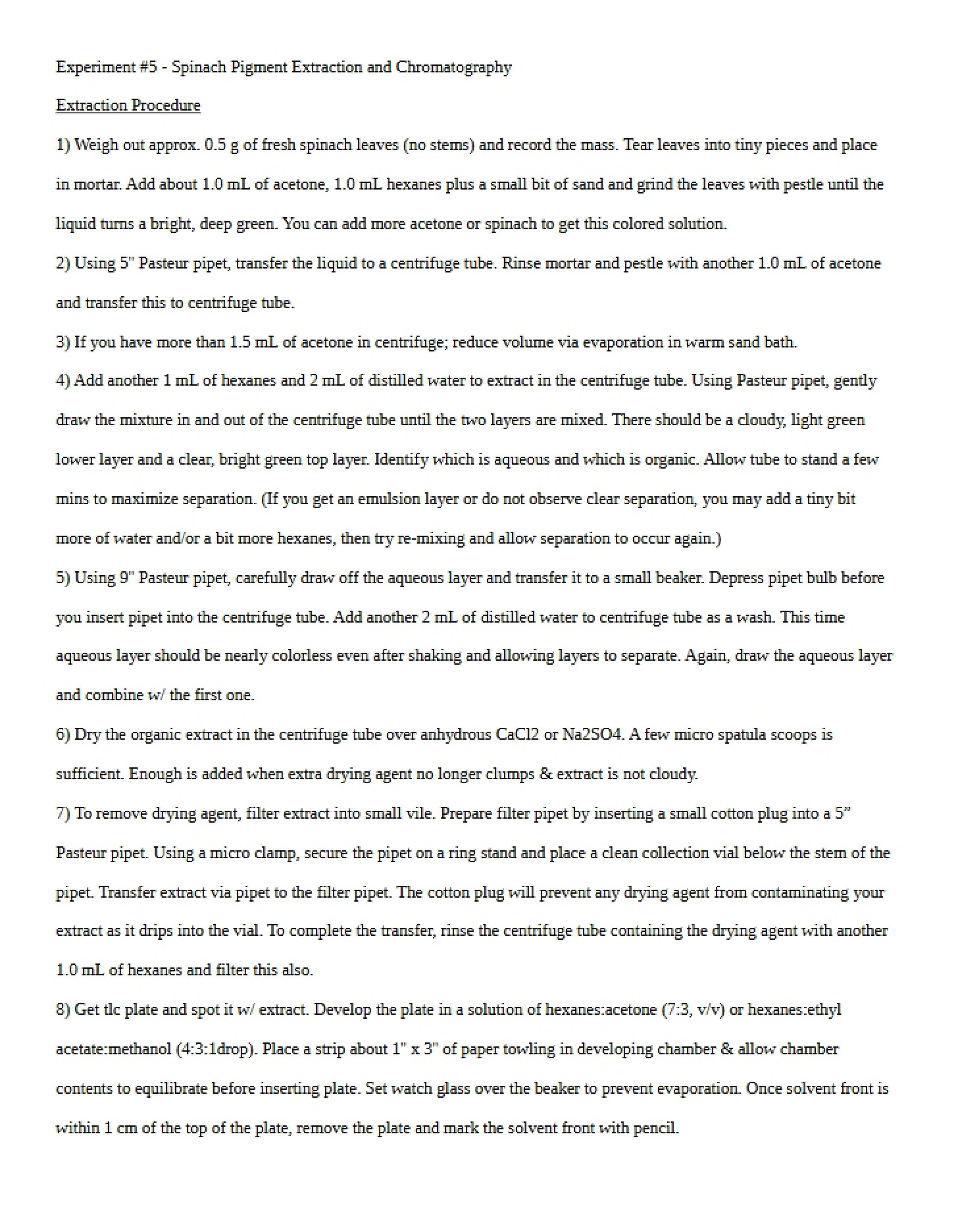
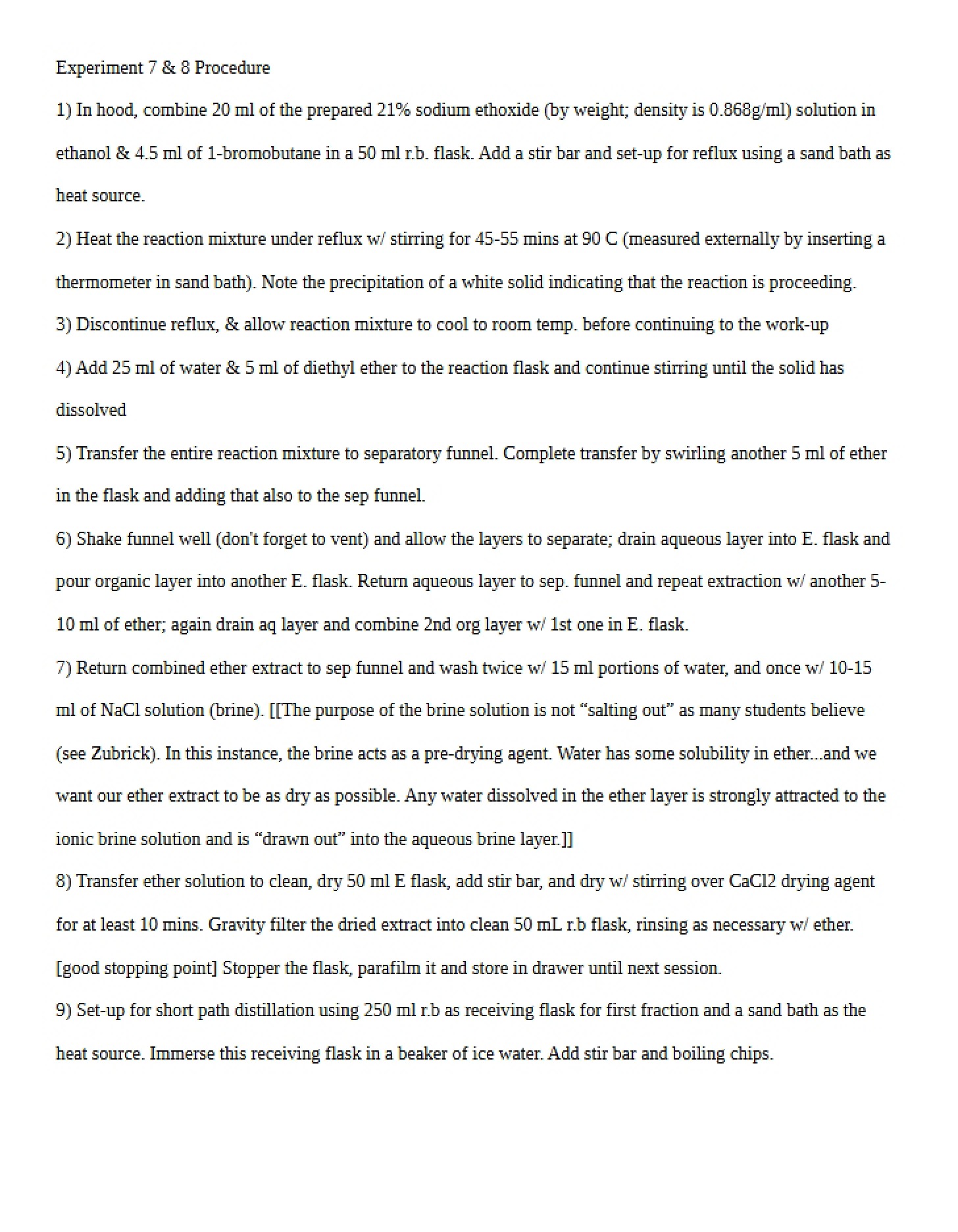
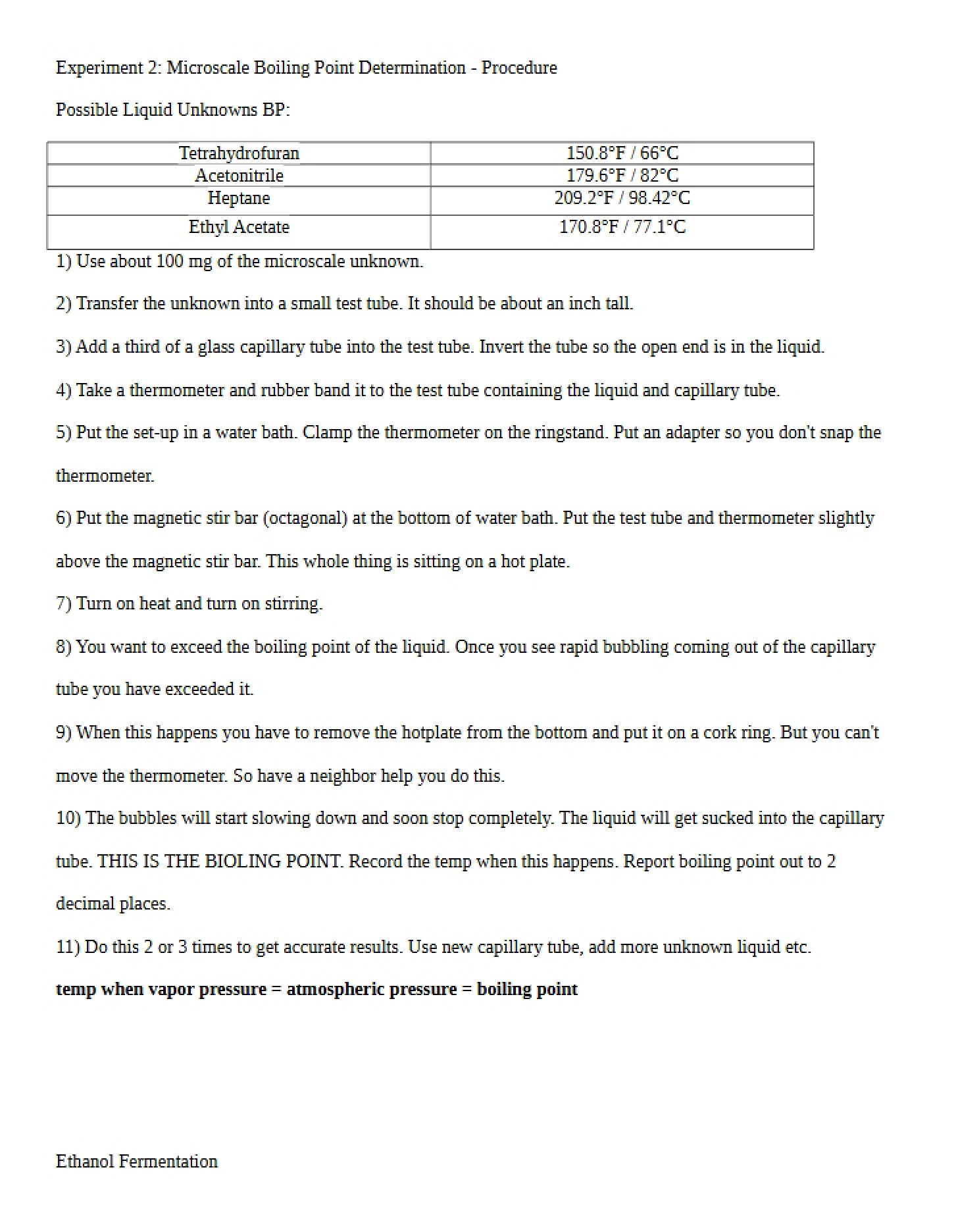
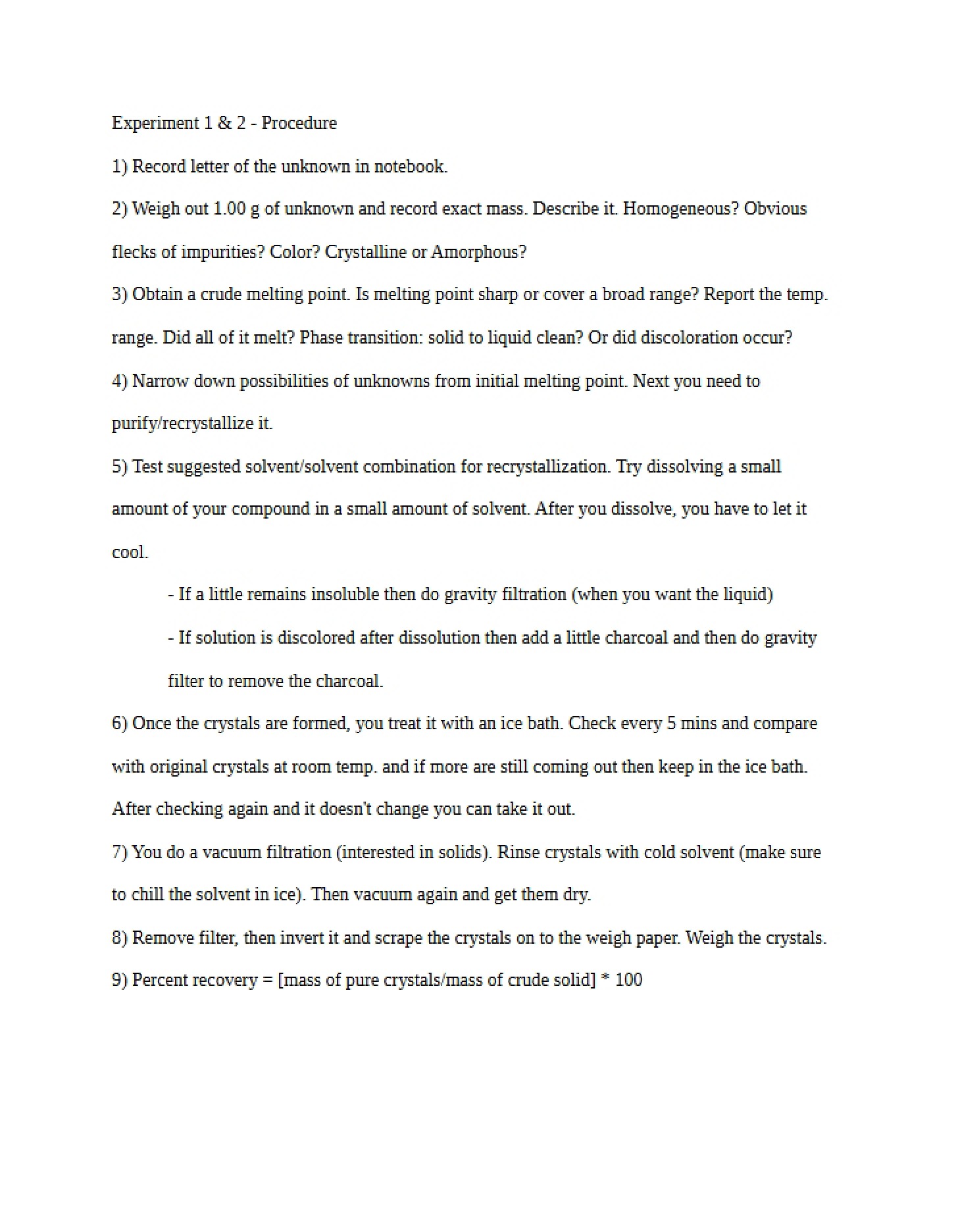
* A complete experimental protocol for a specific acid-catalyzed hydration reaction.
* Guidance on the use of common laboratory equipment, including round-bottomed flasks, separatory funnels, and vacuum apparatus.
* Instructions for work-up procedures, including neutralization, extraction, and drying techniques.
* Details on product isolation and purification methods, including sublimation.
* Information on obtaining key product characteristics for analysis and verification.
* Specific safety considerations related to the chemicals used in the experiment.