What This Document Is
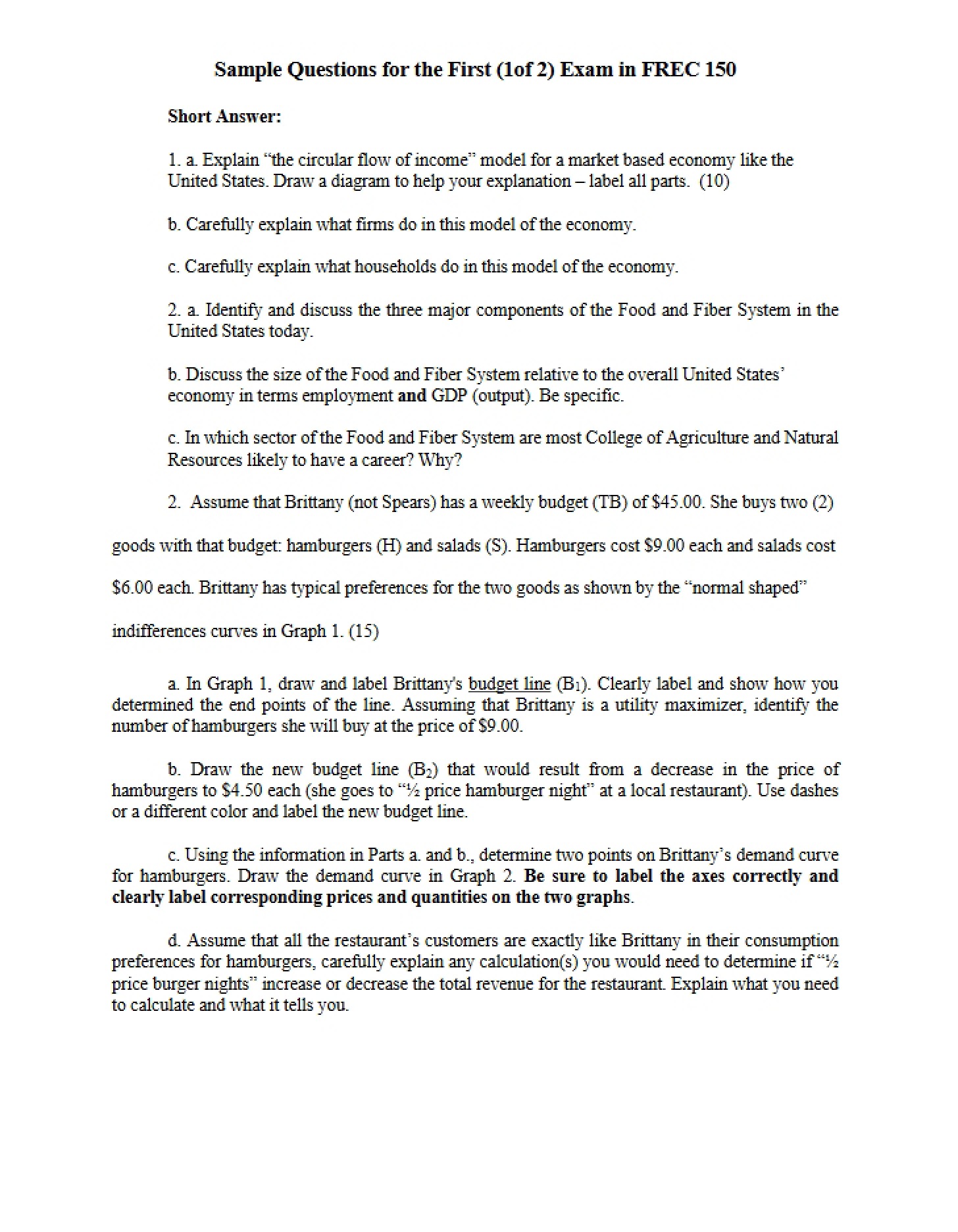
This document serves as an introduction to the complex world of agricultural and natural resources, specifically within the context of environmental economics. It’s designed to provide a foundational understanding of how economic principles apply to the management and utilization of resources like land, water, and energy. It draws from established academic work in the field, offering a structured overview of key concepts.
Why This Document Matters
This resource is ideal for students enrolled in courses focused on agricultural economics, environmental science, natural resource management, or related fields. It’s particularly beneficial when you’re beginning to explore the economic forces that shape our interaction with the natural world and the role of policy in addressing resource challenges. Understanding these concepts is crucial for anyone pursuing a career in agriculture, environmental consulting, policy analysis, or sustainable development.
Topics Covered
* The definition and categorization of natural resources (renewable vs. nonrenewable)
* The economic implications of resource use and scarcity
* The role of government intervention in resource management
* Market dynamics related to natural and environmental resources
* The concept of “market failure” and its causes
* Externalities – both positive and negative – and their impact
* The importance of property rights in resource allocation
* Interactions between agricultural practices and the environment
What This Document Provides
* A clear framework for understanding the unique characteristics of natural and environmental resources.
* An exploration of how traditional economic models are adapted to address resource-specific challenges.
* An overview of the conditions under which competitive markets may not lead to optimal resource outcomes.
* A foundational understanding of the economic rationale behind environmental policies.
* A starting point for further investigation into specific resource management issues.