What This Document Is
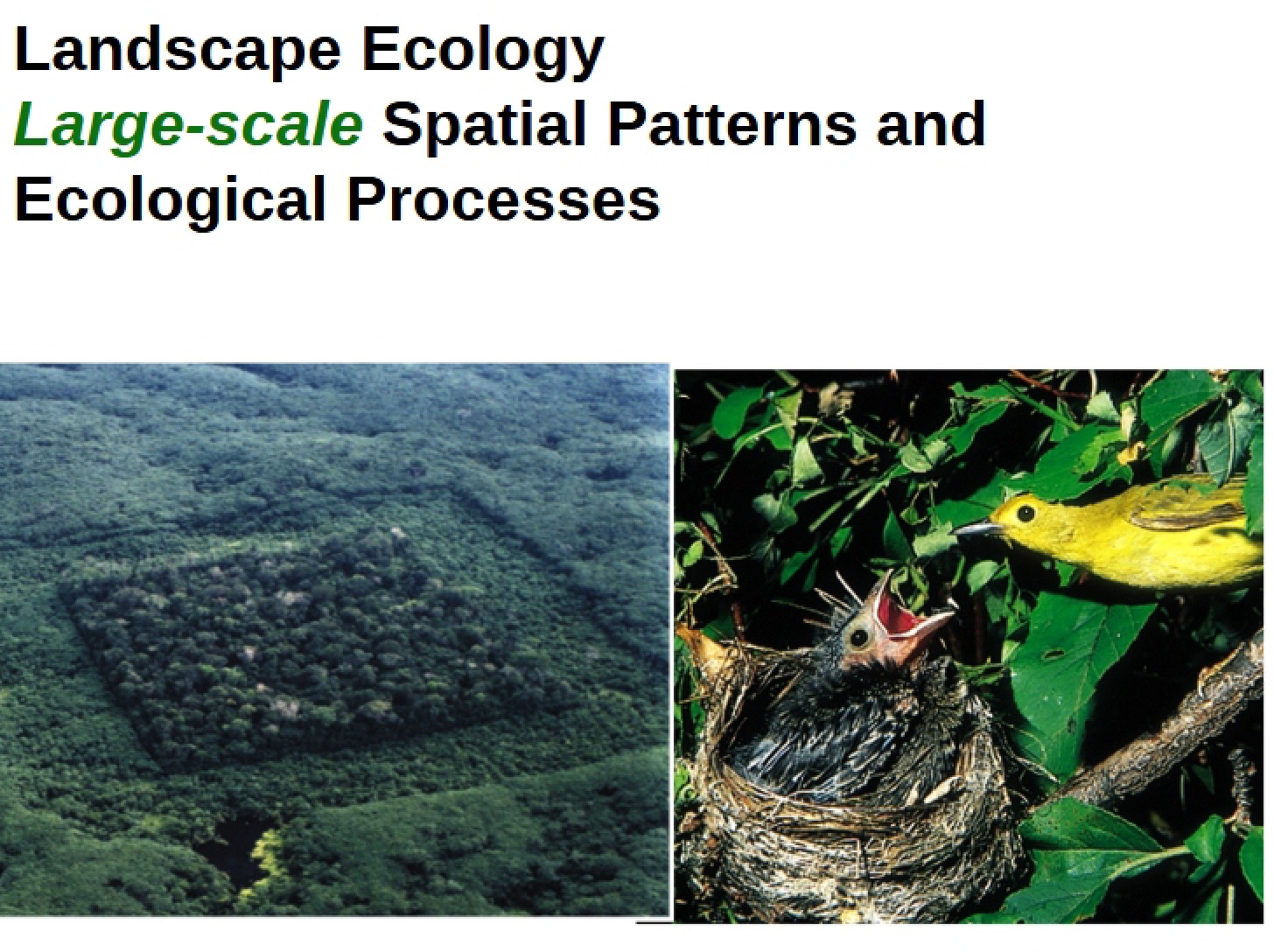
This is a detailed research study focusing on the ecological impacts of habitat fragmentation within the Amazon rainforest. Specifically, it investigates the long-term changes occurring within tree communities as a result of forest fragmentation, examining how these changes relate to the size and shape of remaining forest patches. The study utilizes extensive, long-term data collected from various forest plots in central Amazonia to analyze these complex ecological processes. It’s a scholarly work intended for advanced study and research.
Why This Document Matters
This resource is invaluable for students and researchers in ecology, conservation biology, and forestry, particularly those specializing in tropical ecosystems. It’s most beneficial when studying the effects of deforestation, landscape ecology, and the challenges of maintaining biodiversity in fragmented habitats. Individuals preparing for advanced coursework or conducting research on Amazonian ecosystems will find this a particularly useful resource to deepen their understanding of real-world ecological dynamics.
Topics Covered
* Tropical rainforest fragmentation
* Tree community dynamics and turnover
* Edge effects in forest ecosystems
* The impact of forest size on ecological processes
* Long-term ecological monitoring
* Wind disturbance and tree mortality
* Microclimatic changes in fragmented forests
* Mathematical modeling of habitat fragmentation
What This Document Provides
* Results from an 18-year experimental study in the Amazon rainforest.
* Quantitative data on tree mortality, damage, and turnover rates in fragmented and continuous forests.
* Analysis of how edge proximity influences forest dynamics.
* Insights into the relationship between fragment age and ecological changes.
* A “core-area model” for predicting the impact of fragmentation on forest ecosystems.
* A comprehensive list of key words for focused research.
* Detailed information on the study area and methodology.