What This Document Is
This is a focused exploration of bivariate longitudinal data analysis, part of the BIOSTAT 411 course at UCLA. It delves into statistical methods for understanding the relationships between two variables measured repeatedly over time, going beyond the analysis of single longitudinal variables. The material is geared towards students with a foundational understanding of longitudinal data modeling.
Why This Document Matters
Students enrolled in advanced biostatistics courses, particularly those focused on longitudinal data, will find this resource valuable. Researchers investigating correlated changes within individuals – for example, how two health indicators evolve together – will also benefit. It’s particularly useful when you need to determine if patterns of change in one variable are associated with patterns of change in another, and when considering how to appropriately model these interdependencies. This material will help you build a stronger understanding of the nuances involved in analyzing such data.
Topics Covered
* Cross-correlations between longitudinal responses
* Using one longitudinal variable as a time-varying covariate in the analysis of another
* Distinguishing between subject-level average responses and within-subject variation
* Modeling correlated random intercepts
* Understanding the relationship between overall subject means and within-subject correlations
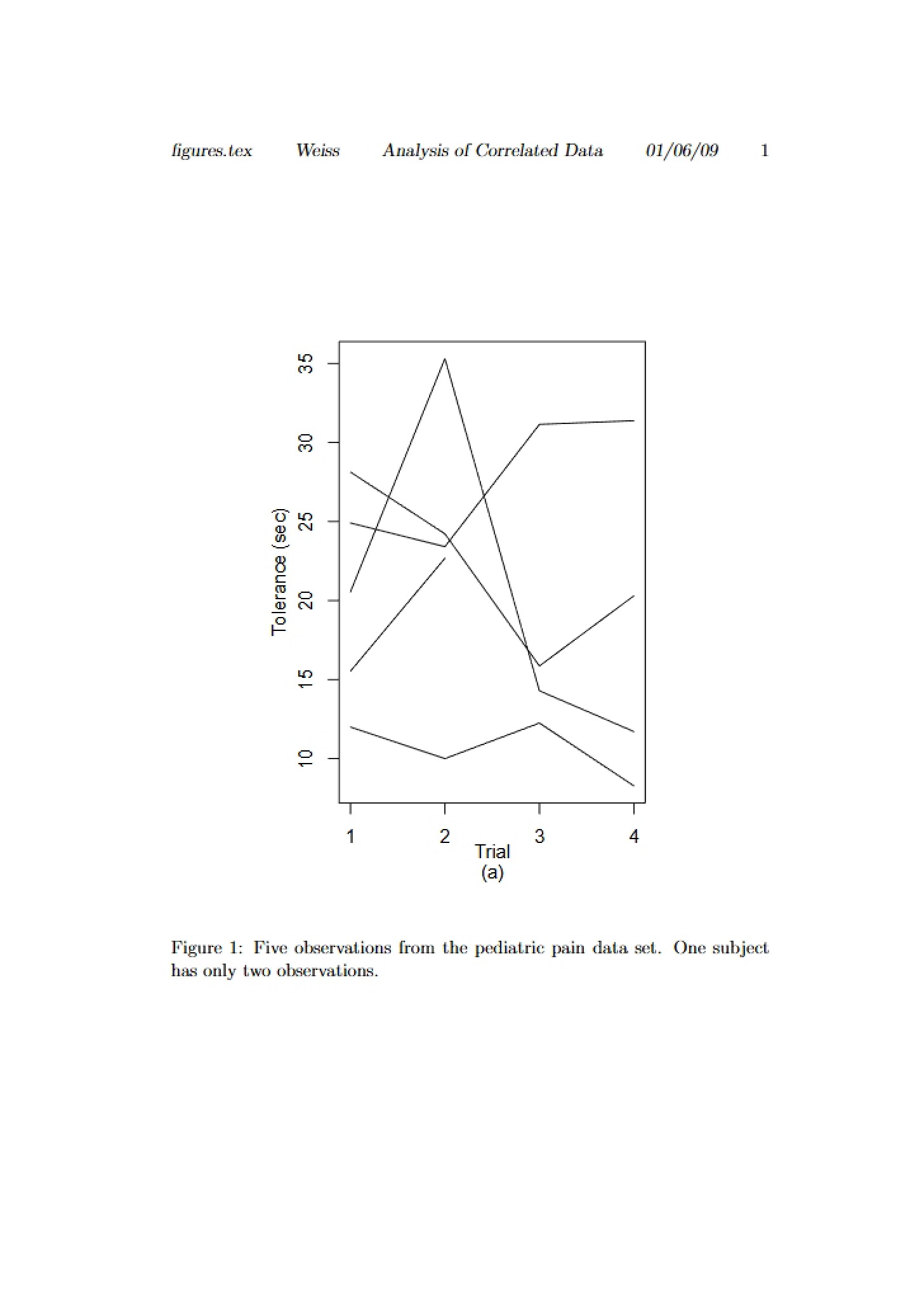
* Applications to real-world examples, such as pain studies and anthropometric measurements
What This Document Provides
* A conceptual framework for understanding bivariate longitudinal data.
* Discussion of different modeling approaches for correlated longitudinal variables.
* Illustrative examples to motivate the concepts.
* Visual representations to aid in understanding the relationships between variables over time.
* Considerations for interpreting the relationship between average levels and within-subject changes in paired longitudinal data.