What This Document Is
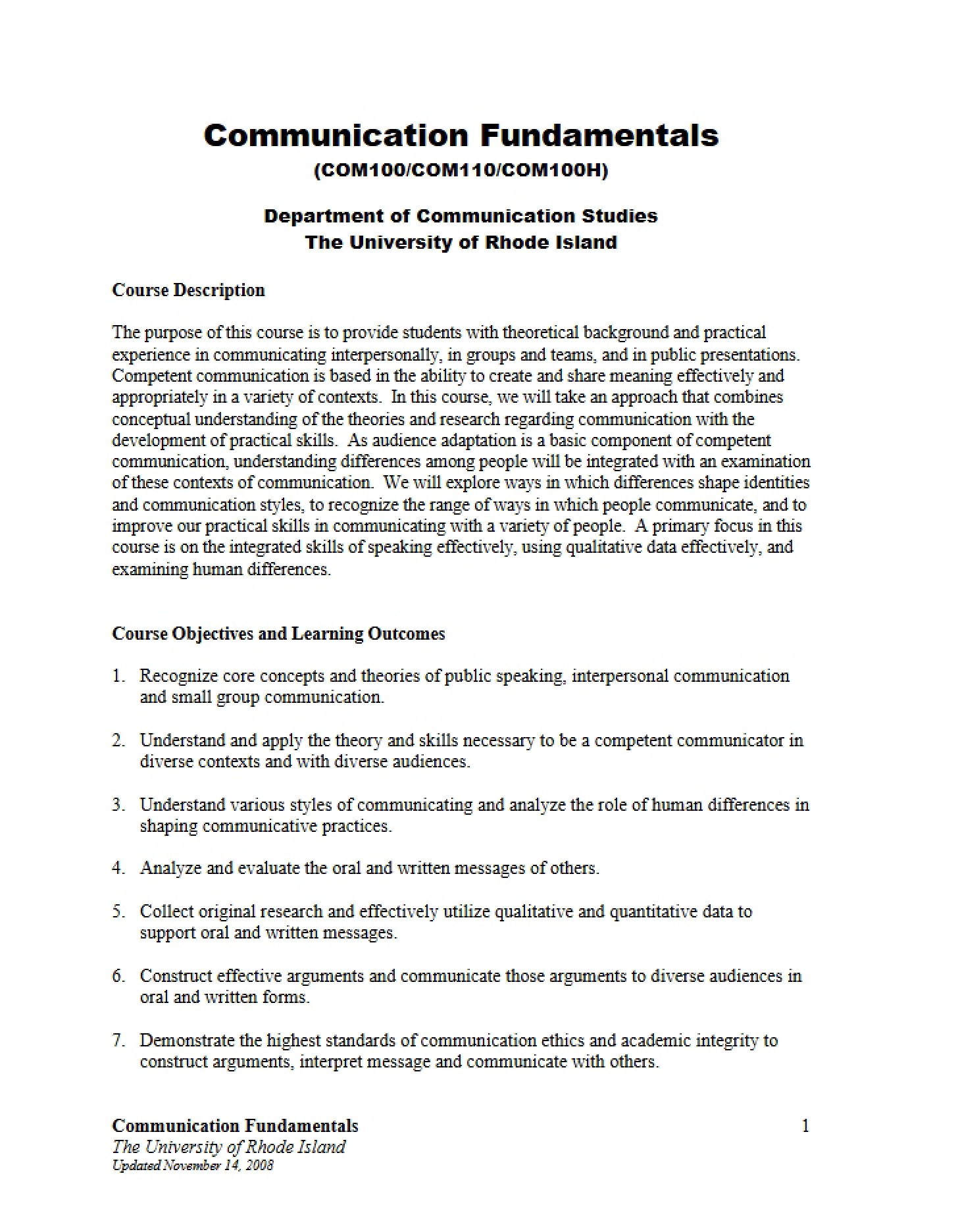
This resource outlines the structure and expectations for a formal debate exercise centered around a complex geopolitical issue. Specifically, it details the framework for a classroom debate concerning potential U.S. foreign policy decisions. It’s designed to help students prepare for and participate effectively in a structured argumentative setting, focusing on persuasive communication and critical thinking. The material appears to be from a Communication Fundamentals course at the University of Rhode Island, dated Fall 2013.
Why This Document Matters
This is a valuable resource for students enrolled in communication, debate, or political science courses – or anyone looking to hone their argumentation skills. It’s particularly useful when preparing for a debate or presentation requiring a clear, organized approach to building and defending a position. Students will benefit from understanding the recommended format for presenting arguments, responding to opposing viewpoints, and delivering impactful closing statements. It’s ideal for use *before* engaging in a debate exercise to ensure a strong foundation in debate structure.
Common Limitations or Challenges
This resource focuses on the *how* of debate – the structure and process – rather than providing specific arguments or research on the chosen topic. It does not offer pre-written arguments for or against the debated motion, nor does it include background information on the geopolitical context. It assumes a basic understanding of debate terminology and principles. It also doesn’t provide guidance on research methodologies or source evaluation.
What This Document Provides
* A detailed timeline for the debate, outlining time allocations for preparation, presentation, questioning, and closing statements.
* Guidance on structuring arguments, including recommendations for introductions, body paragraphs, and conclusions.
* A framework for crafting effective closing statements, including responding to opposing arguments and reinforcing key points.
* Information on a related in-class activity – spontaneous, one-on-one argumentation exercises.
* A reference to supplemental reading material available elsewhere (Sakai).