What This Document Is
This is a detailed exploration of the anatomy of the ear, a crucial component of the human sensory system. It delves into the intricate structures responsible for both hearing and balance, providing a comprehensive overview suitable for advanced undergraduate study. The material is presented with a focus on the physiological underpinnings of auditory and vestibular function, connecting structure to function.
Why This Document Matters
Students enrolled in courses like Anatomy & Physiology, Neuroscience, or related health science programs will find this resource particularly valuable. It’s ideal for those seeking a deeper understanding of the ear’s complex architecture before tackling more advanced concepts in auditory processing or balance disorders. This material can be used as a study aid during coursework, a reference for lab preparation, or a foundation for further research. Access to the full content will empower you to confidently navigate the complexities of this vital sensory organ.
Topics Covered
* Detailed anatomical regions of the ear (internal, middle, and external)
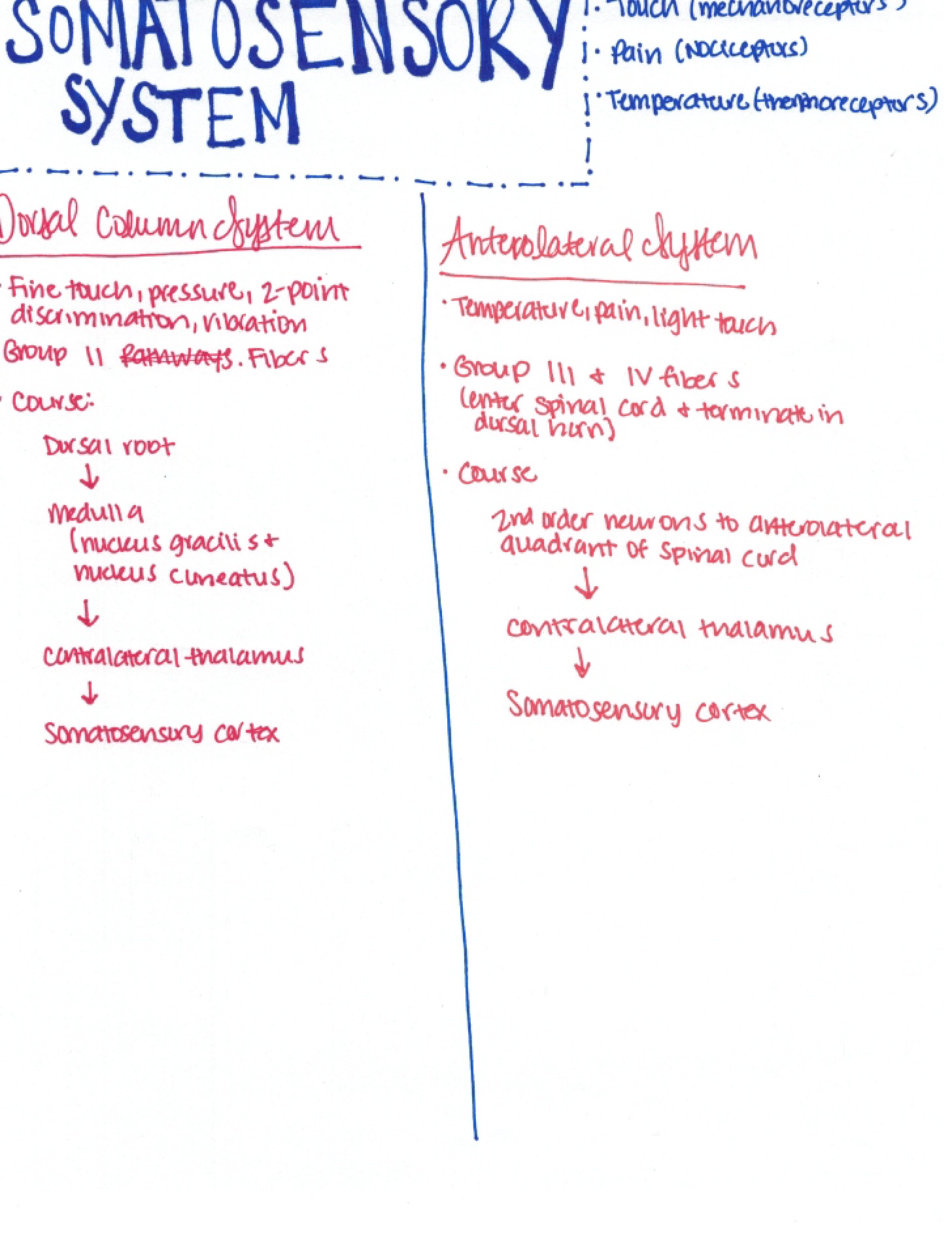
* Neural pathways associated with auditory and vestibular systems
* The role of specific structures in sound localization and balance maintenance
* Connections between the ear and the central nervous system
* Musculature involved in auditory function
* Vestibular spinal tracts and their functions
* Nuclei involved in auditory and vestibular processing
What This Document Provides
* A systematic breakdown of the ear’s anatomical components.
* Illustrative descriptions of the relationships between different structures.
* An overview of the neural connections that transmit information from the ear to the brain.
* A focused look at the pathways involved in maintaining equilibrium.
* Key terminology related to ear anatomy and physiology.
* Connections between anatomical structures and their functional roles.