What This Document Is
This document provides an overview of the human cardiovascular system, focusing on the anatomy of the heart and blood vessels. It’s designed as a study resource for students in Human Biology I (BIOS 1030) at Ohio University, drawing from established texts and supplemental video resources. The material covers the heart’s structure, the different types of blood vessels, and the pathways blood takes through these components.
Why This Document Matters
This resource is essential for students needing a foundational understanding of how blood circulates throughout the body. It’s particularly useful when first learning about the cardiovascular system, preparing for quizzes or exams, or needing a quick reference for key anatomical terms. Understanding these concepts is crucial for further study in biology, health sciences, and related fields. It bridges textbook learning with visual aids like videos, and includes practical application questions.
Common Limitations or Challenges
This document is a paraphrased overview and does *not* replace the need to engage with the full textbook, videos, or lectures. It provides a framework for understanding, but doesn’t offer in-depth physiological explanations of *how* the system functions beyond basic descriptions. It also doesn’t cover advanced topics like specific heart conditions or detailed treatment options.
What This Document Provides
This document includes:
* A description of the four chambers of the heart (atria and ventricles).
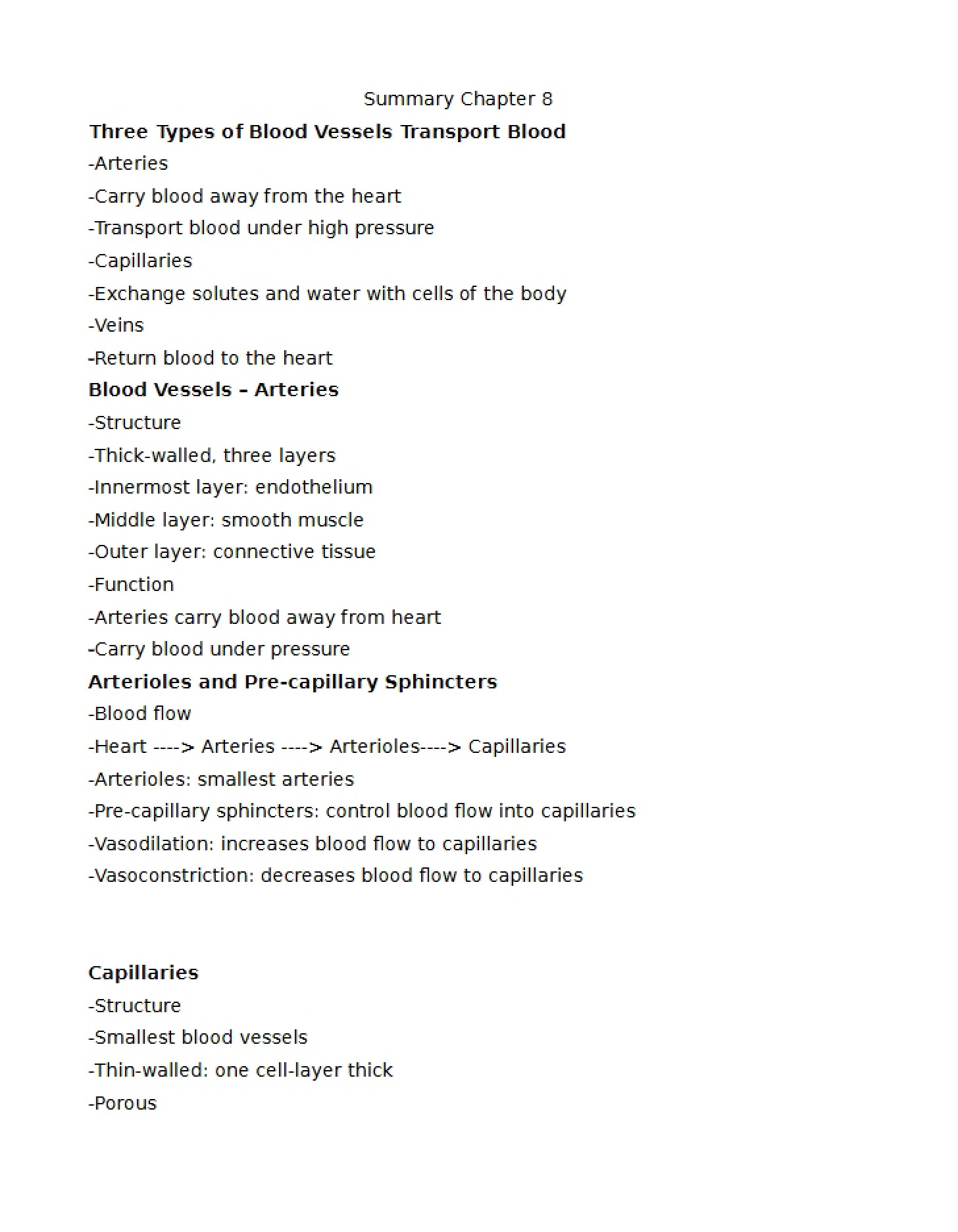
* An explanation of the three main types of blood vessels: arteries, capillaries, and veins, including their structural differences and functions.
* A discussion of systemic and pulmonary circulation.
* Information on how to measure your pulse and what a normal resting heart rate is.
* A comparison of arterial and venous blood draws, explaining why veins are preferred.
* Questions prompting consideration of the relative dangers of injuries to different blood vessel types.
This preview *does not* include detailed explanations of the heart’s electrical system, in-depth coverage of blood pressure regulation, or the full content of the referenced videos. It also does not include information on the lymphatic system beyond a brief mention.