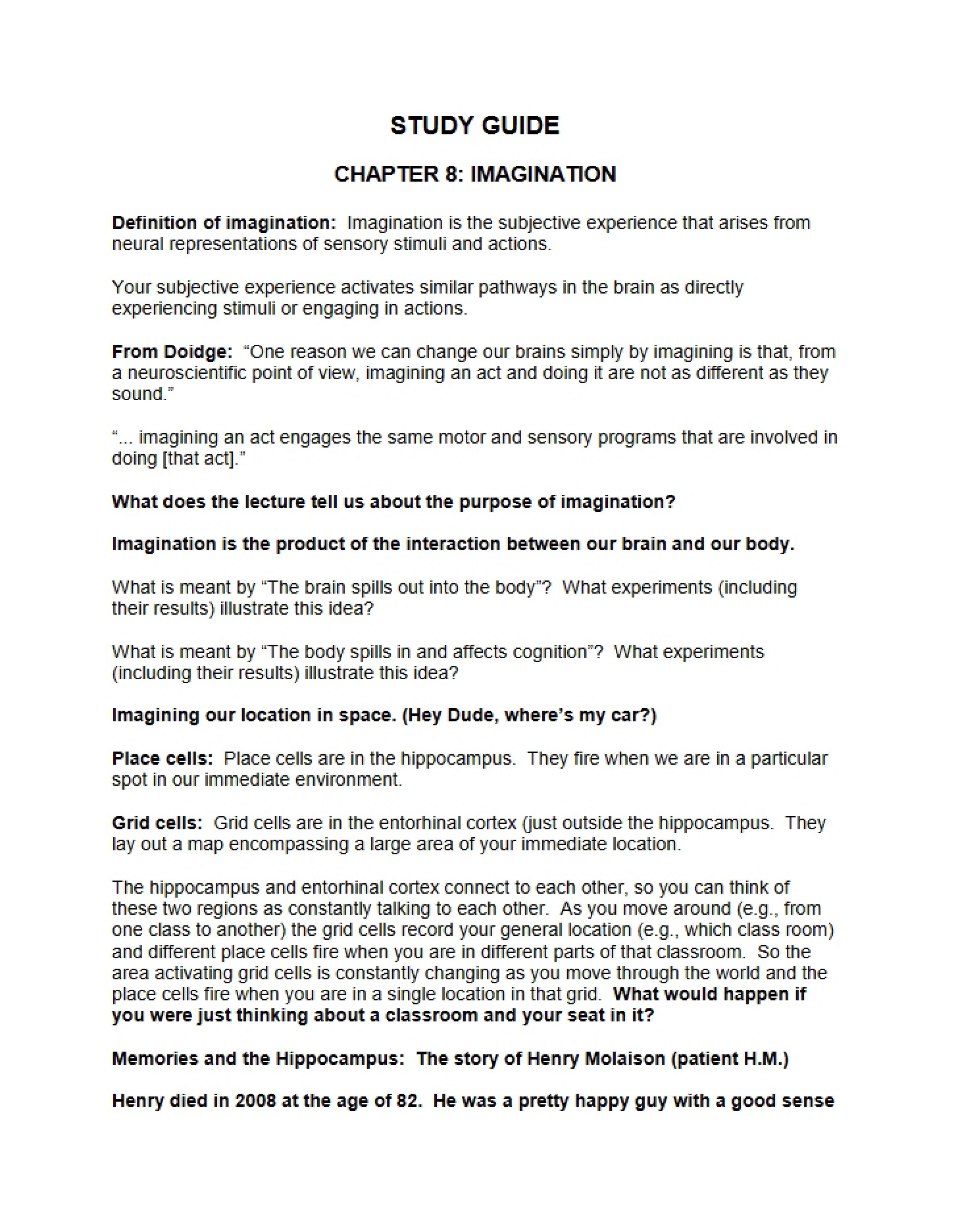
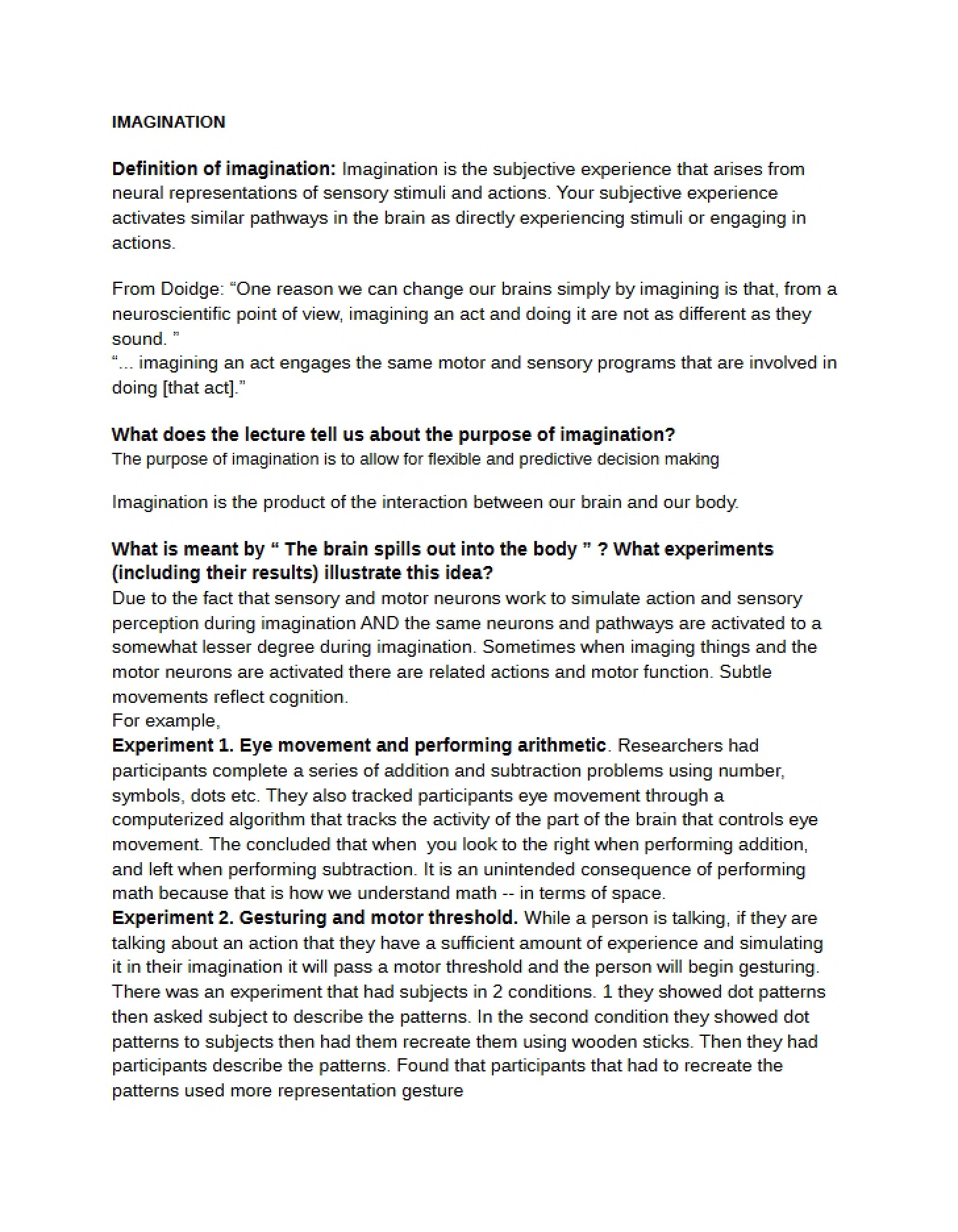
What This Document Is
This resource is a comprehensive exploration of neuroanatomy – the structure and organization of the nervous system. It delves into the foundational elements of brain architecture, from the microscopic level of individual neurons and supporting cells, to the larger-scale organization of brain regions and circuits. The material establishes a framework for understanding how the brain functions as a complex communication network, bridging the gap between the physical structure and its role in behavior and cognition. It also touches upon the impact of neurological conditions and the brain’s remarkable capacity for adaptation.
Why This Document Matters
This material is essential for students in introductory neuroscience courses, as well as those in related fields like psychology, biology, and pre-med programs. It’s particularly valuable when you’re beginning to grapple with the complexities of the brain and need a solid grounding in its basic organization. Use this as a foundational resource to build your understanding before diving into more specialized topics like neurophysiology, neuropharmacology, or behavioral neuroscience. It will help you interpret research findings and understand clinical case studies involving the nervous system.
Common Limitations or Challenges
This resource focuses primarily on *what* the structures of the nervous system are and *how* they are organized. It does not provide detailed protocols for research techniques, nor does it offer in-depth clinical diagnoses or treatment plans. While it mentions certain neurological conditions, it doesn’t serve as a substitute for dedicated medical textbooks or clinical training. It’s a starting point for understanding the anatomy, not a complete guide to neurological function or dysfunction.
What This Document Provides
* An overview of the fundamental building blocks of the nervous system – neurons and glial cells.
* A hierarchical framework for understanding brain organization, from nuclei to circuits to regions.
* Key directional terms used in neuroanatomy (rostral, dorsal, ventral, caudal).
* Discussion of the principles underlying brain connectivity and how it’s studied.
* An introduction to the functions associated with several major brain structures.
* Exploration of the cellular mechanisms underlying electrical signaling in neurons.
* Insights into the concept of brain plasticity and how the brain can reorganize itself.