What This Document Is
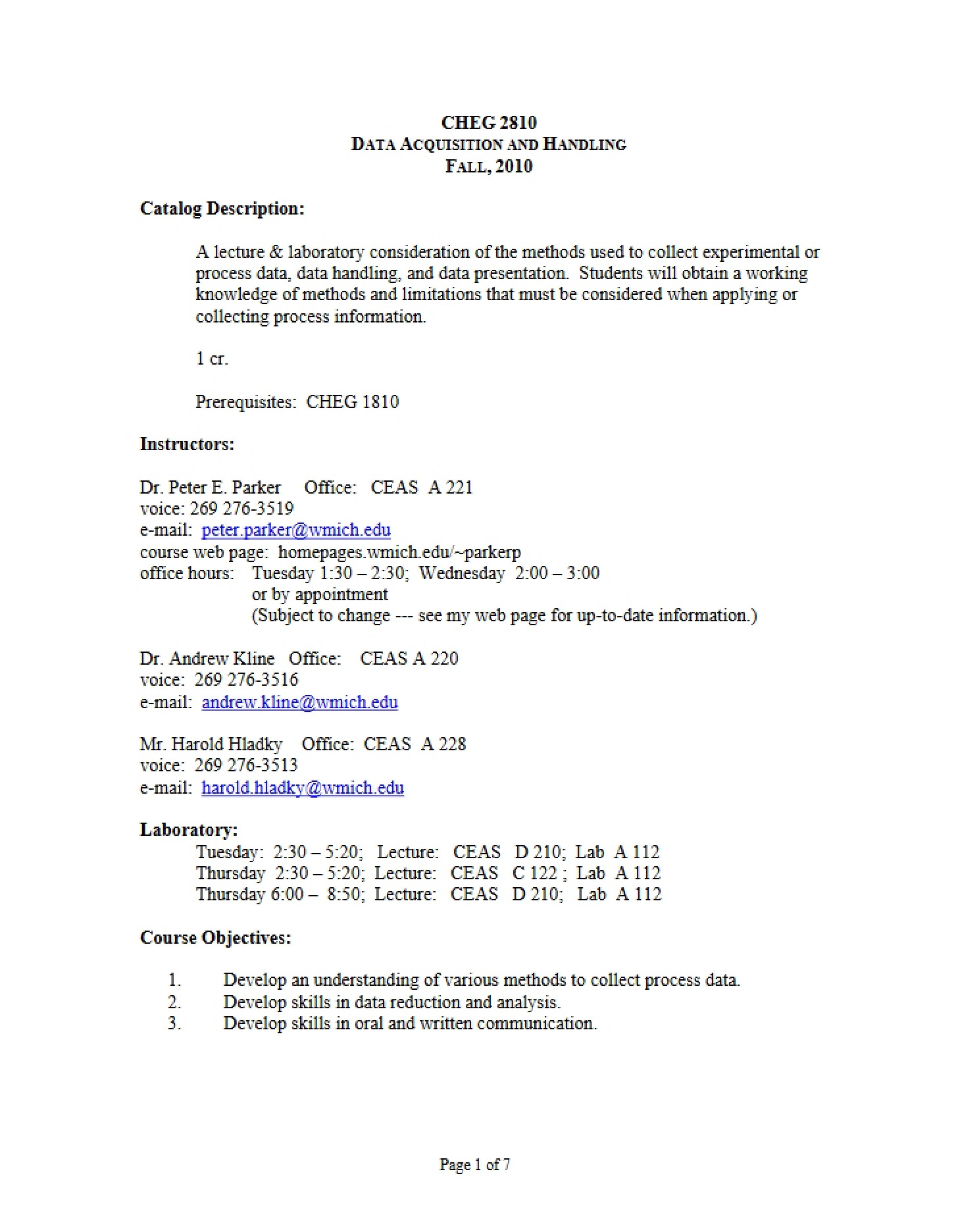
This study guide focuses on the fundamental principles of temperature measurement and its application within the field of data acquisition and handling. Specifically designed for students in CHEG 2810 at Western Michigan University, it delves into the various methods used to quantify thermal energy, providing a comprehensive overview of the underlying concepts. It’s intended to reinforce classroom learning and prepare students for more advanced topics in the course.
Why This Document Matters
This resource is invaluable for any student seeking a deeper understanding of temperature measurement techniques. It’s particularly helpful when preparing for quizzes, exams, or lab work related to thermal properties and data collection. Students who struggle with the theoretical basis of different temperature sensing technologies, or who need a consolidated reference for the various scales and methods, will find this guide exceptionally useful. It’s best used *in conjunction* with course lectures and assigned readings to maximize comprehension.
Common Limitations or Challenges
This study guide is designed to *supplement* – not replace – the core course materials. It does not include detailed derivations of equations, step-by-step experimental procedures, or complete solutions to practice problems. It also assumes a foundational understanding of basic physics and engineering principles. The guide focuses on the *principles* behind each method, and doesn’t offer comparative performance data or specific instrument selection advice.
What This Document Provides
* An overview of common temperature scales (Celsius, Kelvin, Fahrenheit, Rankine) and their relationships.
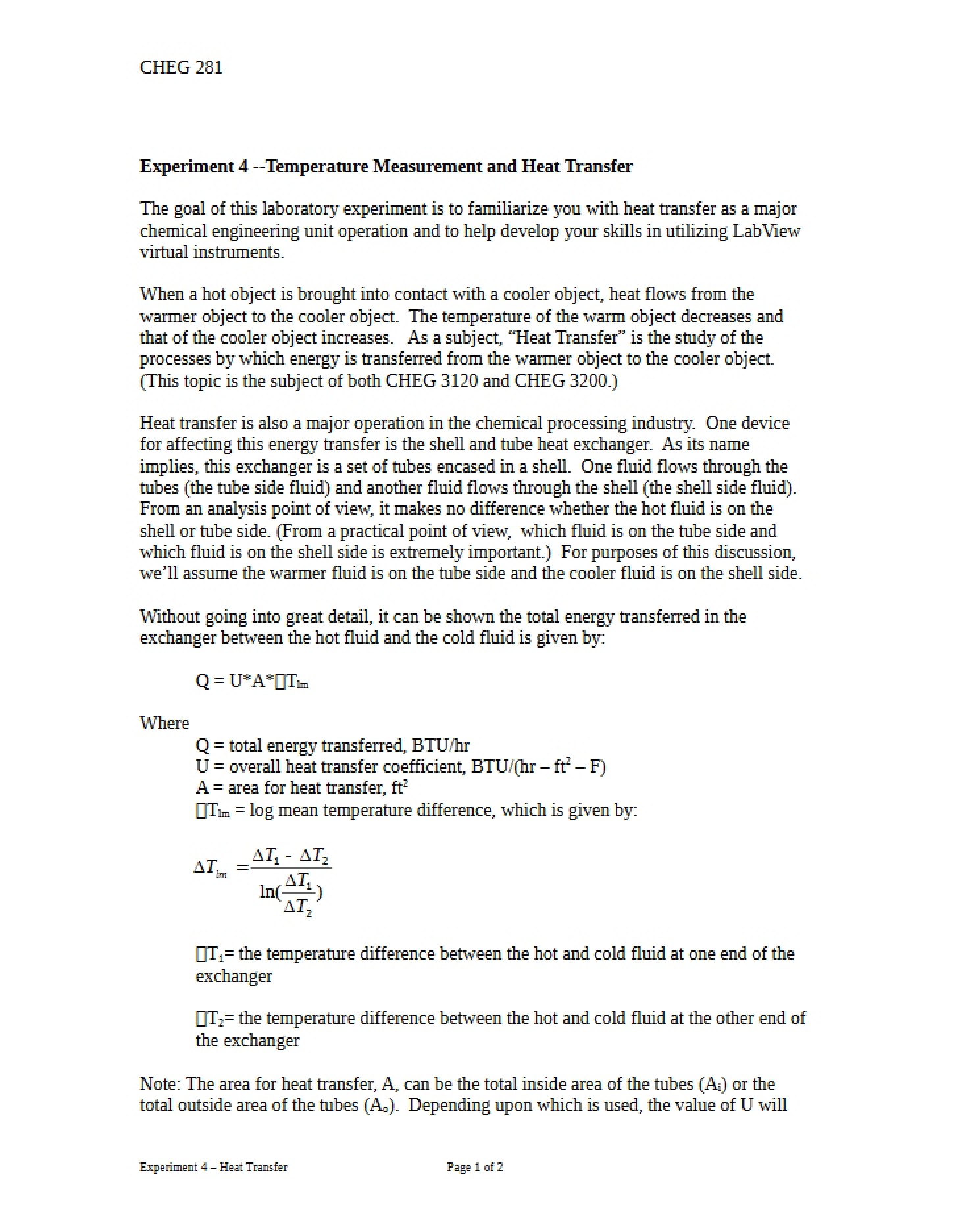
* A discussion of various temperature measurement approaches, including ideal gas thermometry, density change methods, and electrical effect-based sensors.
* Explanations of the operational principles behind liquid thermometers and bimetallic strips.
* Detailed insights into resistance temperature detectors (RTDs), thermistors, and thermocouples – including different thermocouple types.
* An exploration of radiation effects and their relevance to temperature measurement.
* Key considerations for accurate temperature sensing, such as reference junctions and emissivity.