What This Document Is
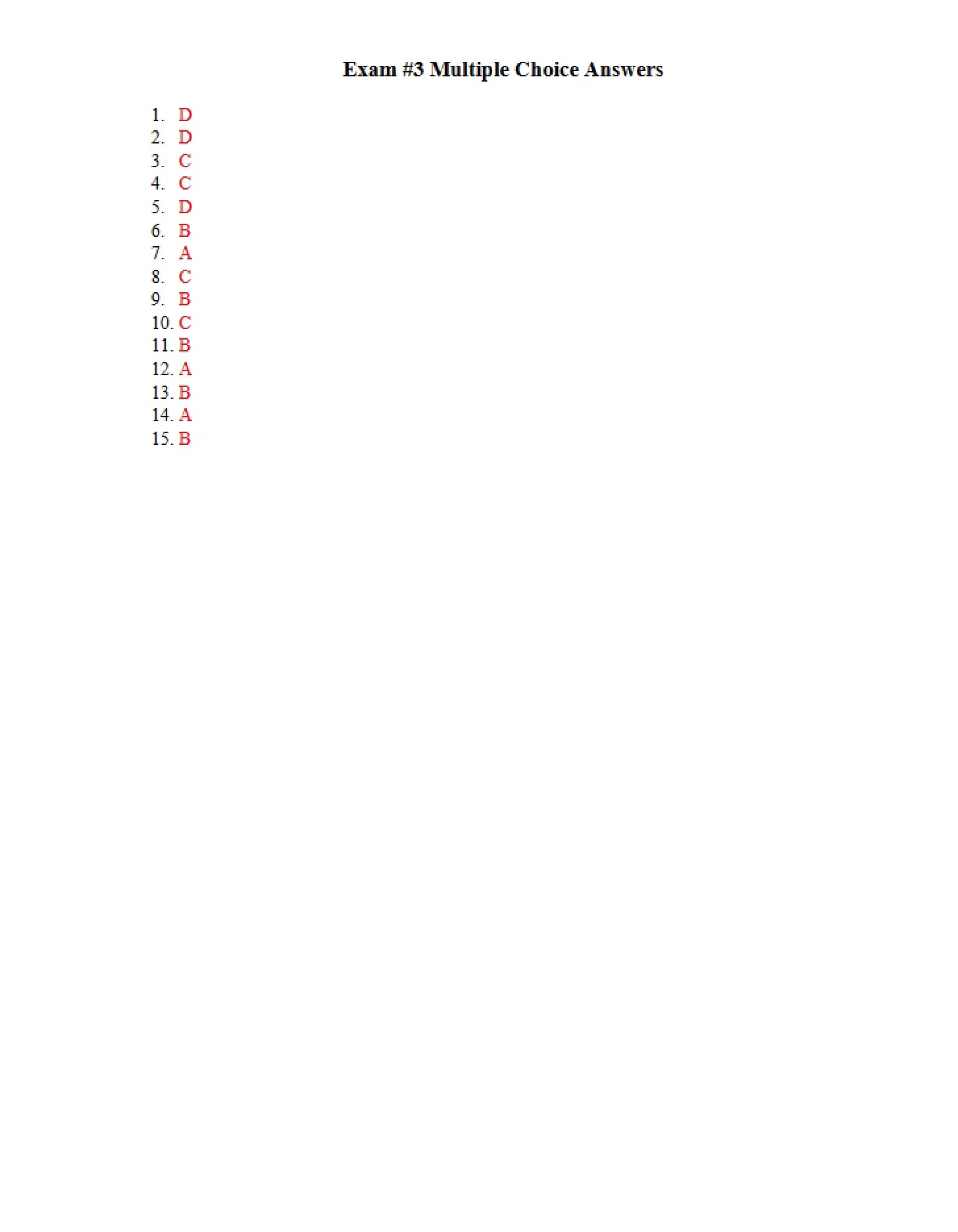
This is a focused review resource designed to help students prepare for assessments on chemical kinetics and equilibrium – core concepts within a General Chemistry II course (CHM 1220 at Wright State University). It takes the form of a worked problem set, originally used as an in-class activity during the Fall 2017 semester. The material centers around applying key principles to quantitative problems, rather than purely theoretical explanations.
Why This Document Matters
This resource is particularly valuable for students who are actively studying for quizzes or exams covering reaction rates, equilibrium constants, and the factors that influence chemical systems. It’s best used *after* initial lectures and textbook readings, as a way to test understanding and build problem-solving confidence. Students who struggle with applying mathematical relationships to chemical scenarios will find this especially helpful. It’s also useful for identifying areas where further review is needed before a high-stakes exam.
Common Limitations or Challenges
This document does *not* provide a comprehensive re-teaching of kinetics and equilibrium theory. It assumes a foundational understanding of concepts like rate laws, equilibrium expressions, Gibbs Free Energy, and Le Chatelier’s principle. It also doesn’t cover every possible type of kinetics or equilibrium problem; the focus is on a specific selection of representative examples. It is a snapshot of a single in-class activity and doesn’t represent a complete course review.
What This Document Provides
* A series of problems relating to the calculation of Gibbs Free Energy changes under non-standard conditions.
* Practice applying the relationship between equilibrium constants and temperature changes, utilizing reaction enthalpy.
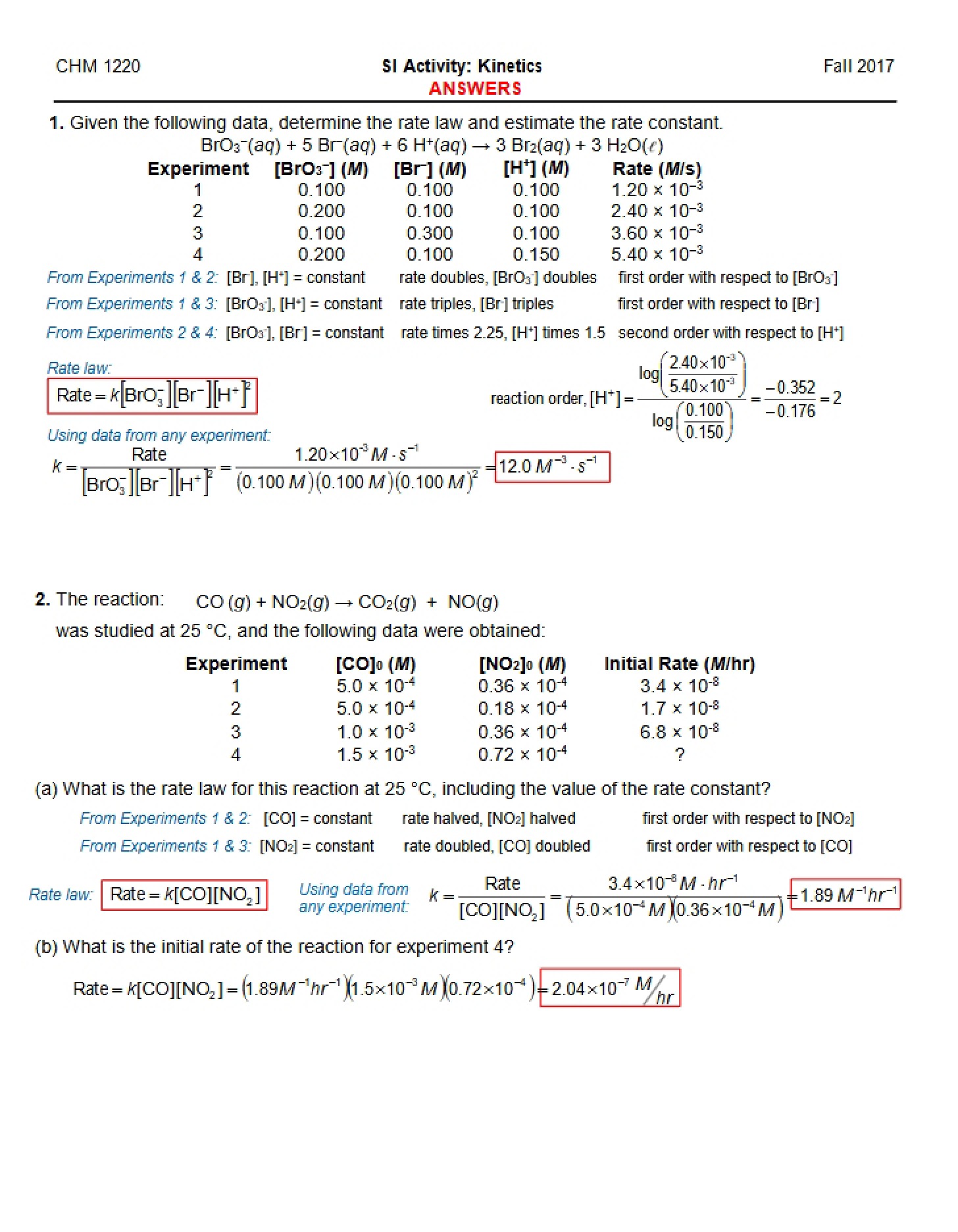
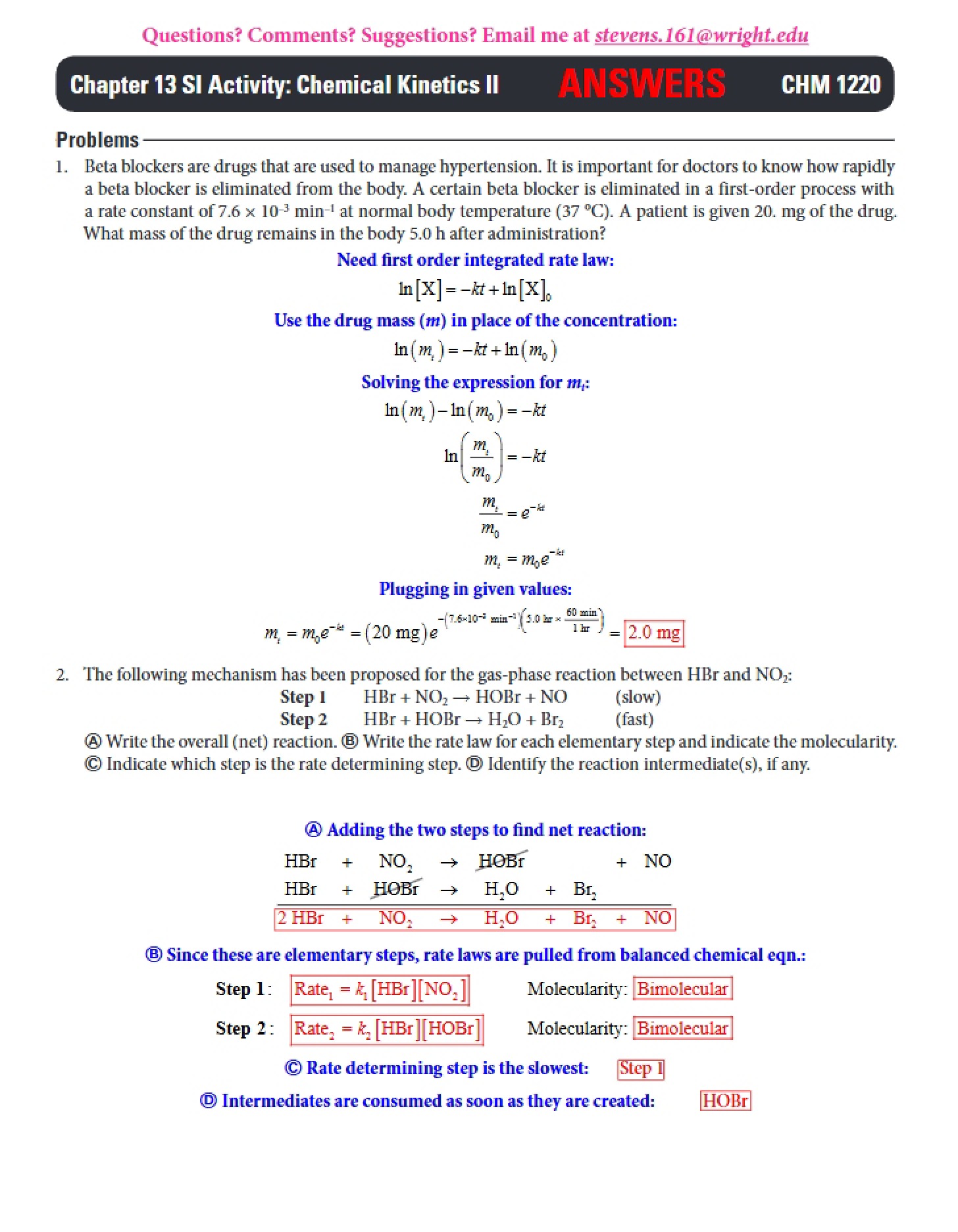
* Examples involving rate laws and integrated rate equations to determine reaction times.
* Problems focused on equilibrium calculations, including determining reactant concentrations at equilibrium.
* Practice with manipulating equilibrium constants for combined reactions.
* Illustrative problems involving first-order reaction kinetics and determining the time required for a specific degree of reactant consumption.