What This Document Is
This document provides a focused exploration of the Application Layer within the context of Computer Communication Networks (CDA 4527 at the University of Central Florida). It’s designed as a learning resource to deepen understanding of the protocols and concepts that enable network applications – the services we use every day. This material delves into the specifics of how data is packaged, transmitted, and interpreted at the highest level of network communication.
Why This Document Matters
This resource is ideal for students enrolled in CDA 4527, or anyone seeking a more detailed understanding of network application functionality. It’s particularly useful when studying for exams, completing assignments requiring protocol analysis, or preparing for more advanced networking topics. Understanding the Application Layer is crucial for anyone aspiring to a career in network engineering, software development, or cybersecurity. It provides a foundational understanding of how applications interact with networks.
Topics Covered
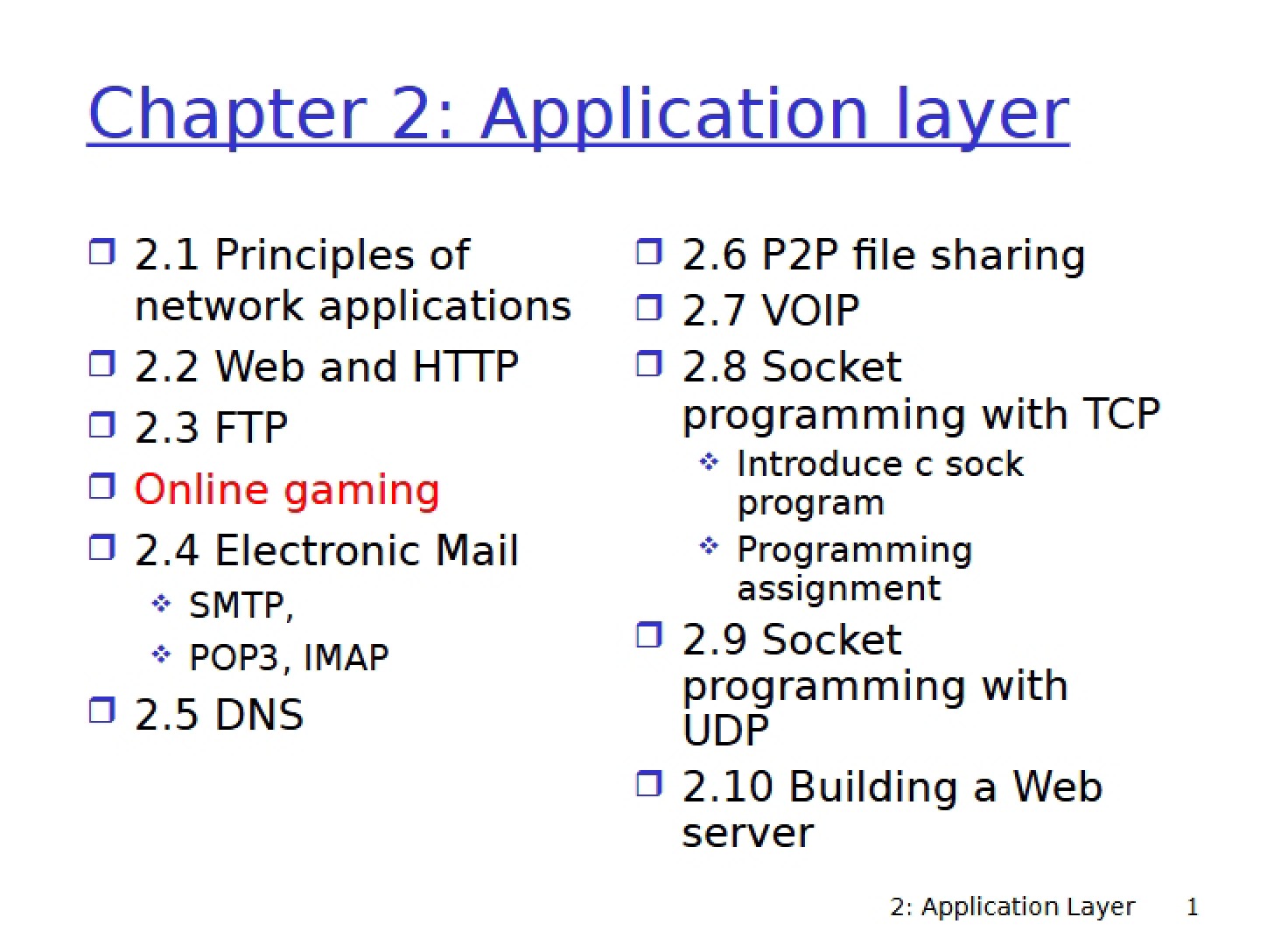
* Principles governing network application design
* The World Wide Web and the HTTP protocol
* File Transfer Protocol (FTP) and its mechanisms
* Electronic Mail systems, including SMTP, POP3, and IMAP
* Domain Name System (DNS) and its role in network addressing
* Peer-to-Peer (P2P) file sharing concepts
* Socket programming using both TCP and UDP protocols
* Practical aspects of building a basic Web server
What This Document Provides
* A structured overview of key Application Layer protocols.
* Examination of the client-server model as it applies to network applications.
* Insights into the message formats and interactions within common protocols.
* Discussion of the underlying principles of reliable and unreliable data transfer.
* A foundation for understanding how to implement network applications through socket programming.
* Exploration of the components involved in electronic mail systems.