What This Document Is
This is a detailed exploration of computer architecture, a foundational subject within Operating Systems Principles. It delves into the core components that define how computers function at a low level, bridging the gap between high-level programming and the physical hardware. The material focuses on the organizational structure and logical operation of a computer system, providing a crucial understanding of the interplay between software and hardware.
Why This Document Matters
This resource is invaluable for students seeking a robust understanding of the principles governing computer systems. It’s particularly helpful for those enrolled in Operating Systems courses, or anyone preparing for more advanced work in computer science, software engineering, or related fields. Understanding these architectural concepts is essential for optimizing performance, troubleshooting system issues, and designing efficient software. It’s best utilized as a study aid alongside lectures and assignments, offering a deeper dive into the subject matter.
Topics Covered
* Processor Execution Modes (Supervisor & User)
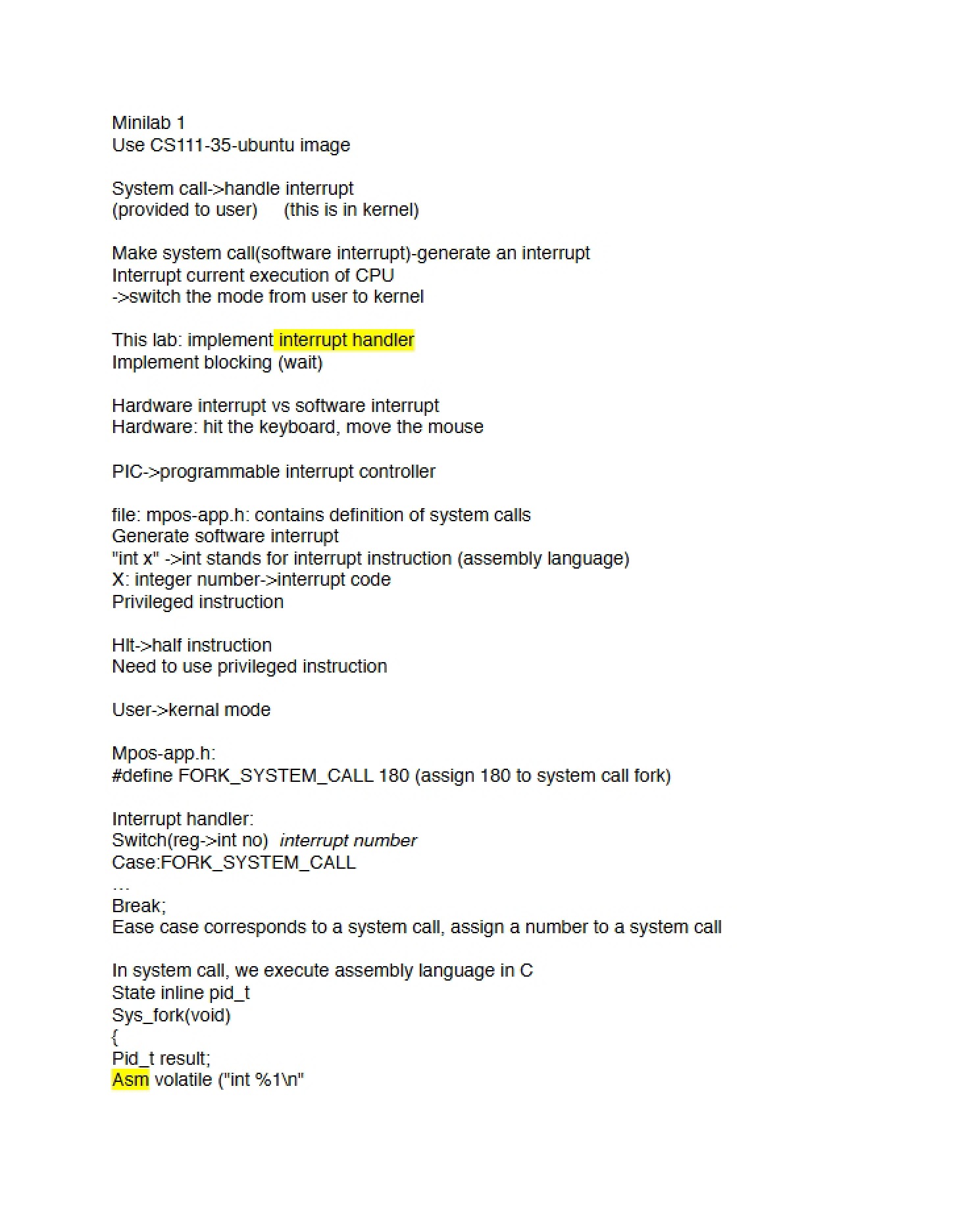
* Interrupts and Exception Handling
* Processor Status Register Functionality
* Input/Output (I/O) Architectures – including different control methods
* Memory Management Unit (MMU) interaction
* Sequential and Random Access Devices
* Disk I/O Performance Factors
* Trap Handling Mechanisms
* Stack Management during Interrupts
What This Document Provides
* A comprehensive overview of the components involved in computer architecture.
* Detailed explanations of how different execution modes impact system operation.
* Insights into the mechanisms computers use to respond to errors and external events.
* A framework for understanding the relationship between hardware and software control.
* An examination of the critical role of the processor status register in managing system behavior.
* A foundation for understanding how operating systems interact with computer hardware.