What This Document Is
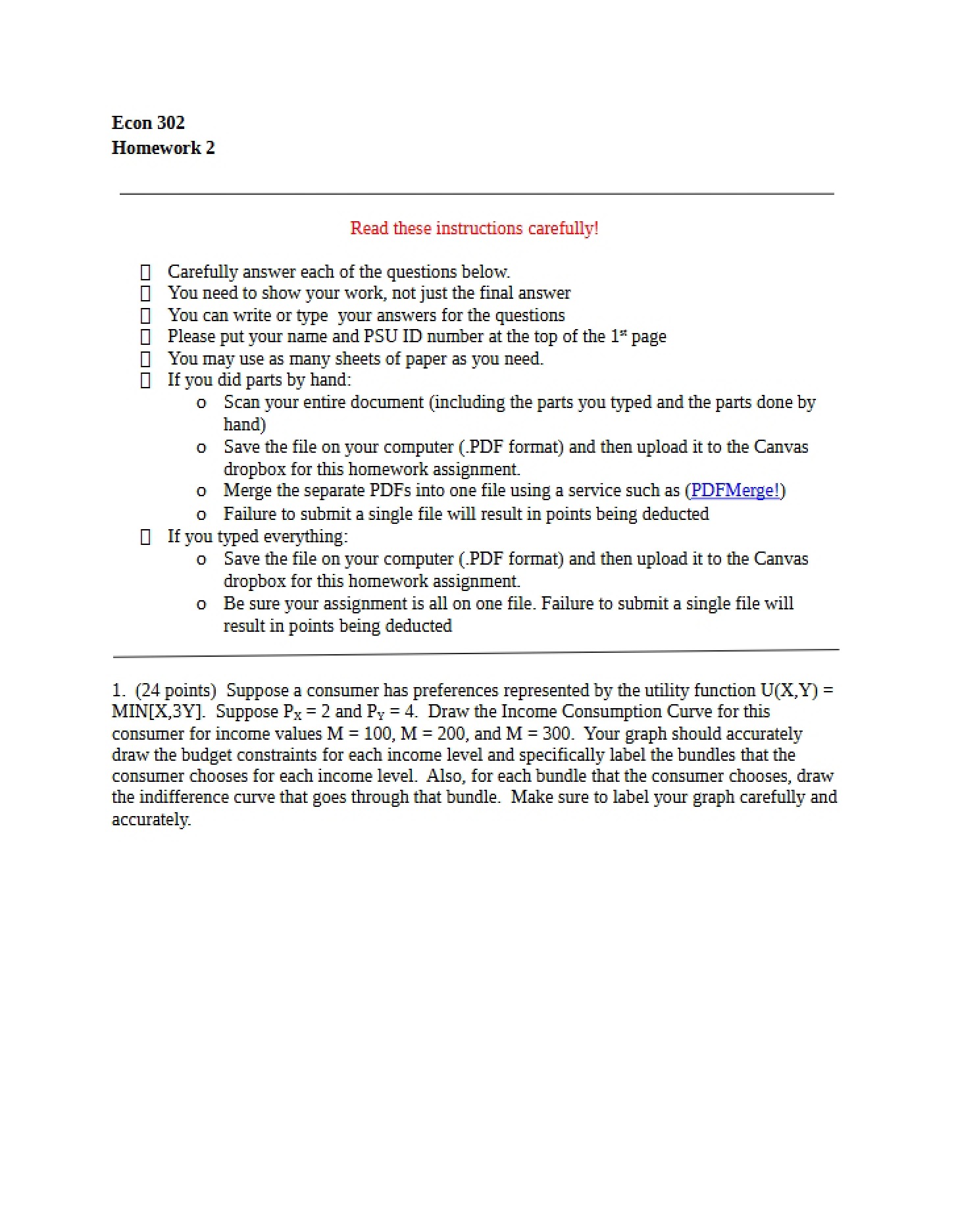
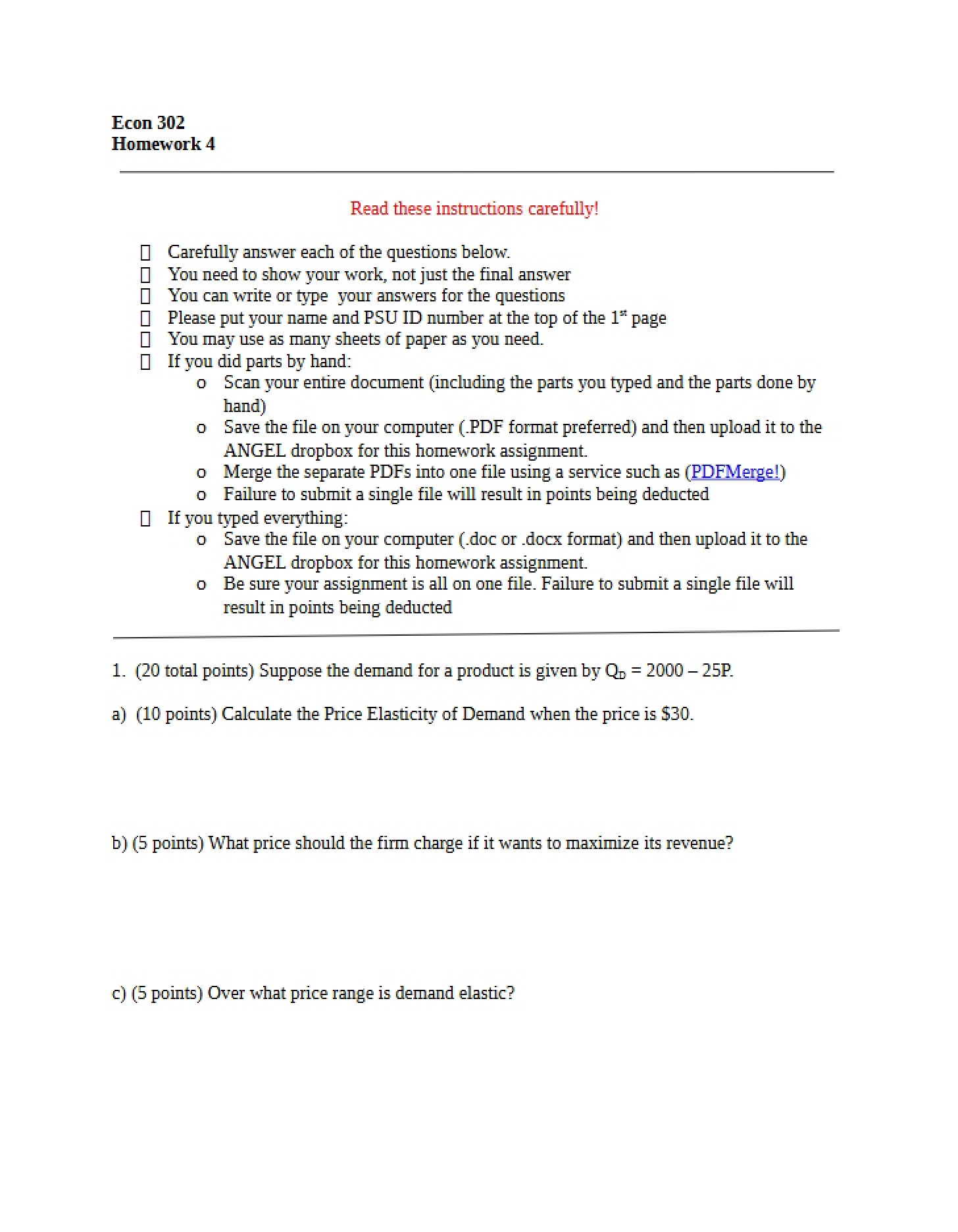
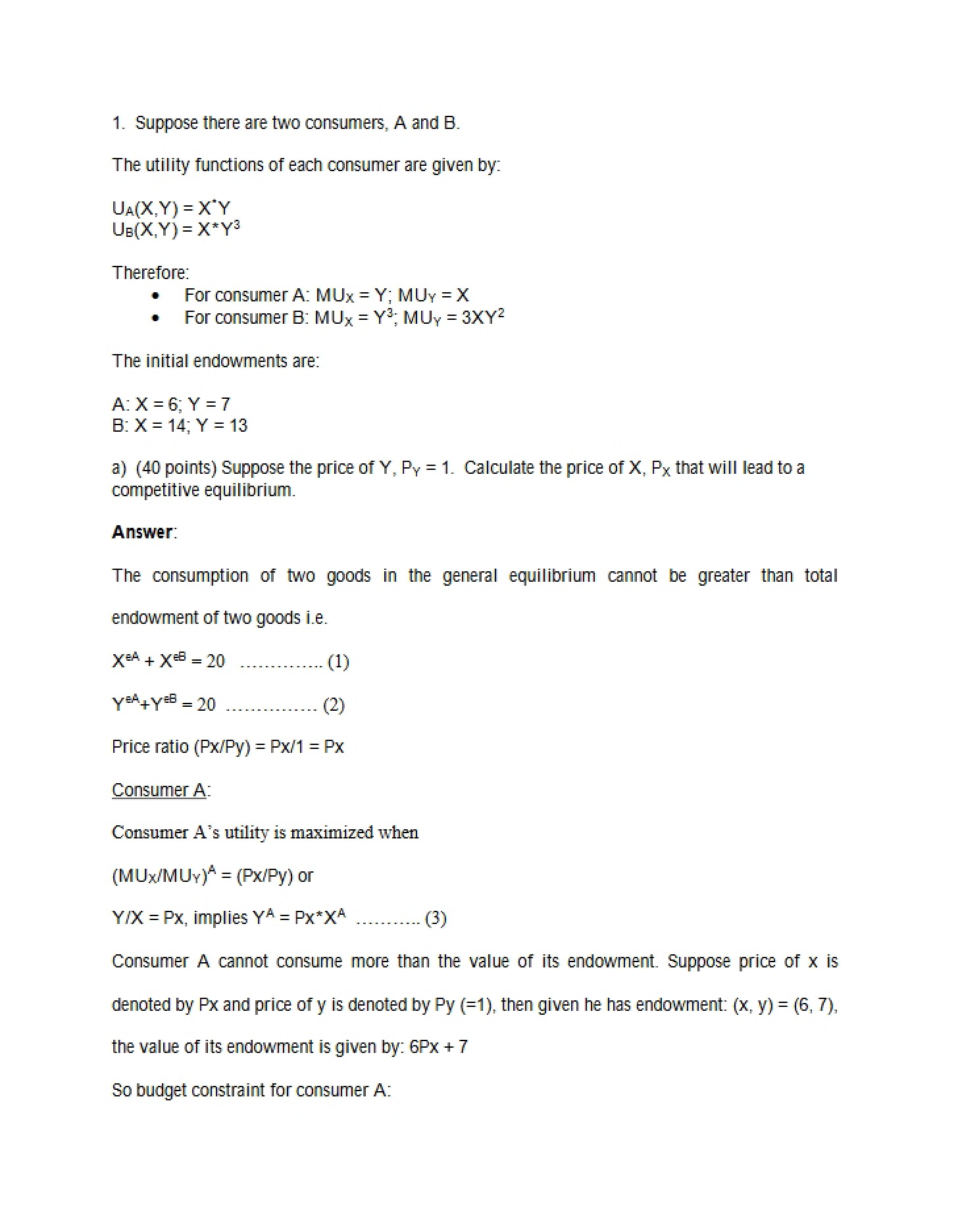
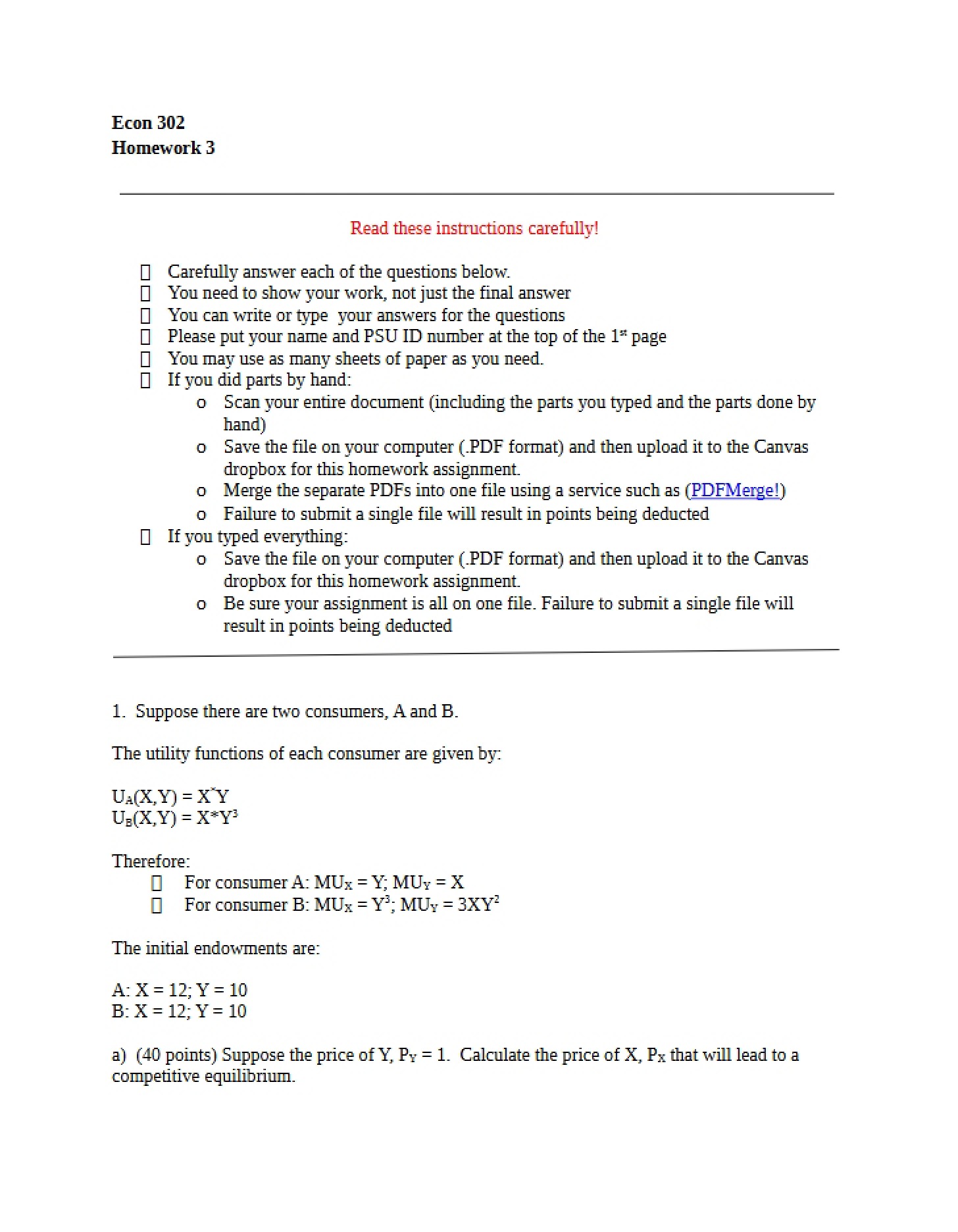
This is a problem set designed for students enrolled in an Intermediate Microeconomic Theory course (ECON 302) at the University of Illinois at Urbana-Champaign. It assesses your understanding of core concepts related to general equilibrium, consumer choice, and welfare economics. This assignment requires applying theoretical frameworks to solve analytical problems and demonstrate a grasp of key principles.
Why This Document Matters
This assignment is crucial for students aiming to solidify their understanding of microeconomic principles. Successfully completing this problem set will demonstrate your ability to apply theoretical models to practical scenarios, a skill essential for further study in economics and related fields. It’s particularly helpful for students preparing for exams or seeking to deepen their comprehension of course material through independent practice. Working through these problems will build confidence in tackling more complex economic analyses.
Topics Covered
* Competitive Equilibrium
* Utility Maximization
* Consumer Demand
* Marginal Rate of Substitution
* Edgeworth Boxes and Pareto Efficiency
* Endowment Economies
* Utility Functions (Cobb-Douglas, Linear, and Perfect Complements)
* Budget Constraints
What This Document Provides
* A series of analytical problems requiring the derivation of equilibrium conditions.
* Scenarios involving two consumers with differing utility functions and initial endowments.
* Opportunities to practice calculating optimal consumption choices.
* Exercises in visualizing economic concepts using graphical tools like Edgeworth Boxes.
* A framework for evaluating the efficiency of resource allocation.
* Detailed point values for each question, indicating the relative weight of different concepts.