What This Document Is
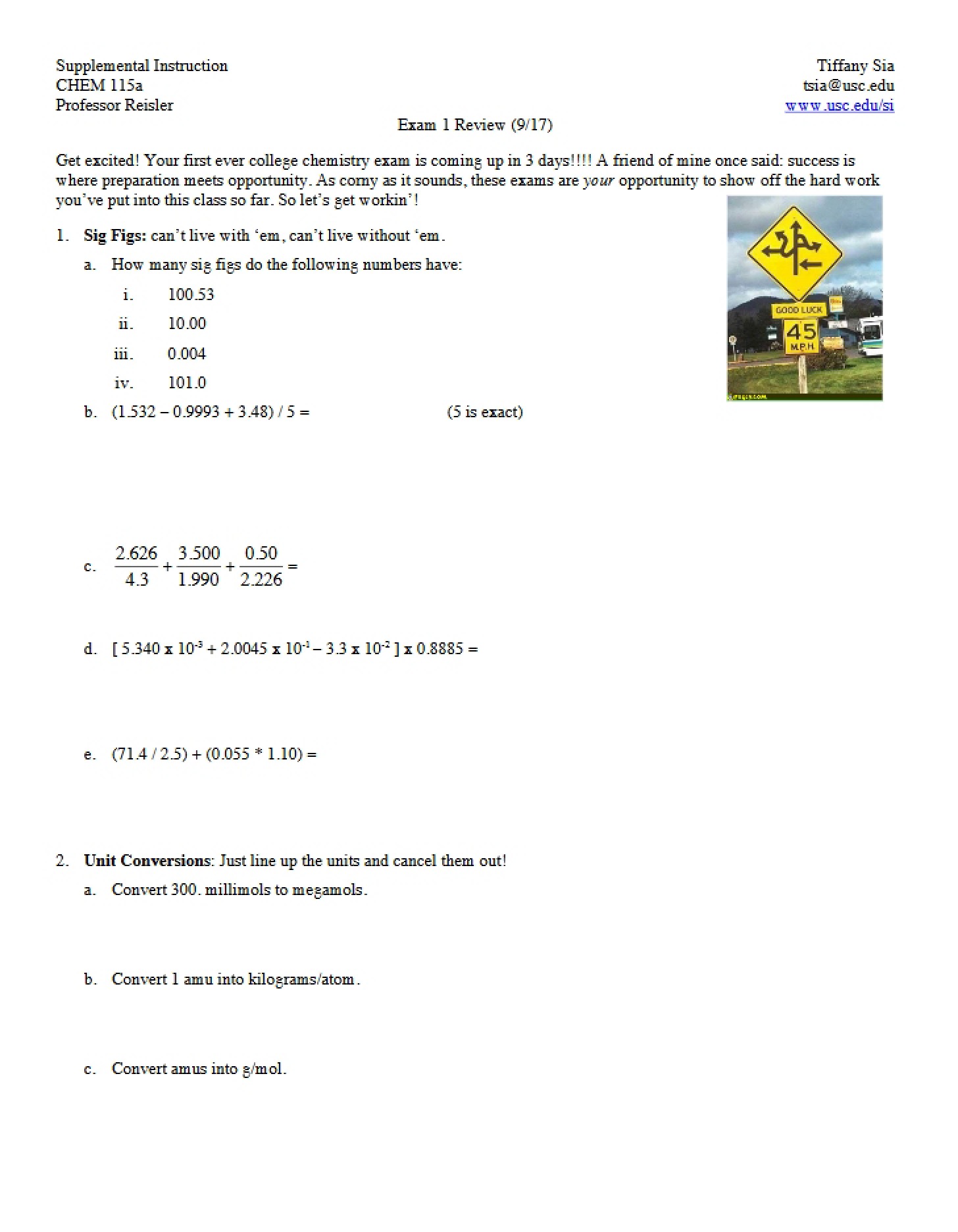
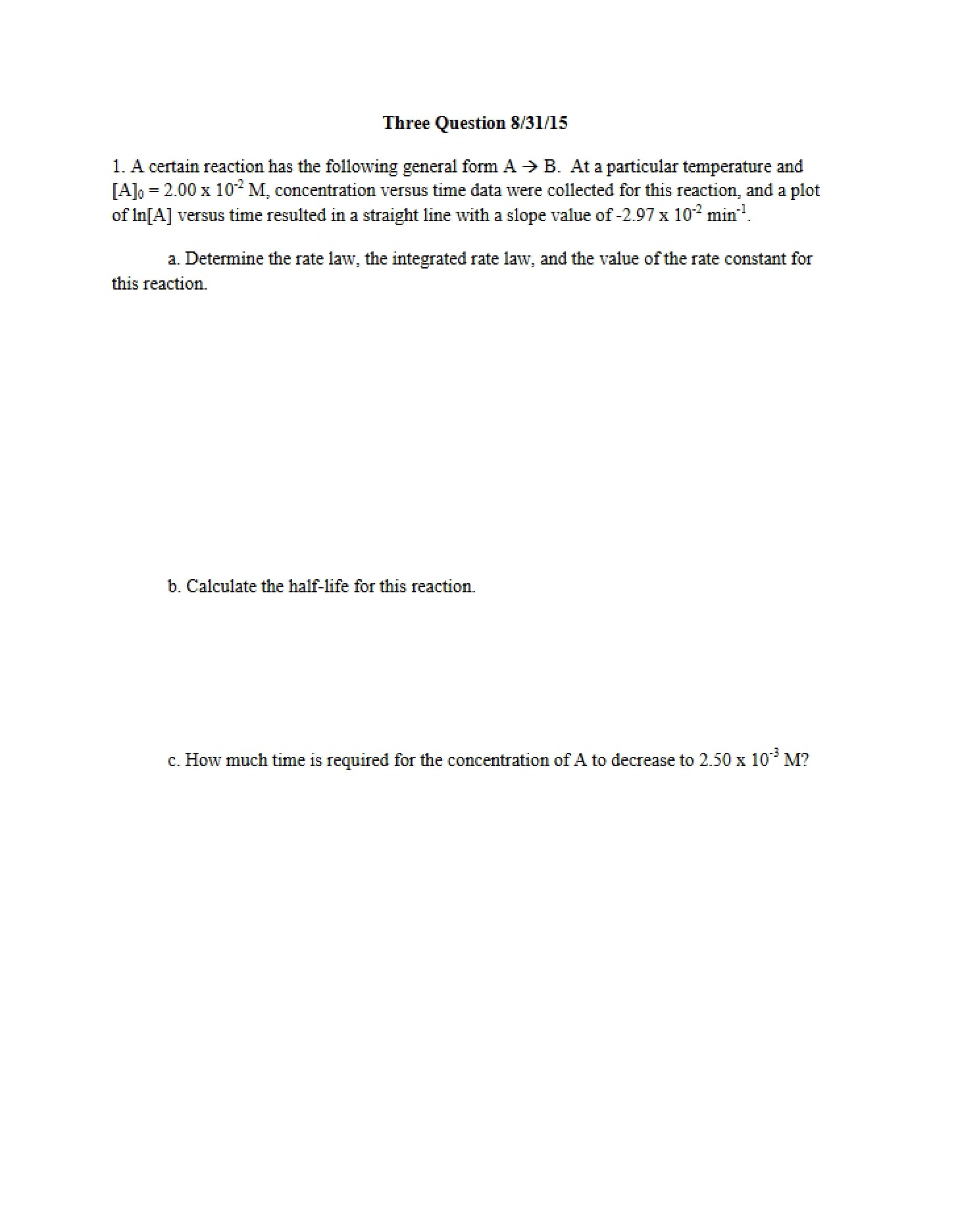
This resource is a focused exploration of the fundamental building blocks of matter – atoms and elements – as presented in a General Chemistry (CHEM 105) course at the University of Southern California. It delves into the principles governing chemical compounds, specifically focusing on how those compounds are named and represented using chemical formulas. The material builds a foundation for understanding chemical reactions and broader concepts in chemistry. It appears to be designed as a core component of early coursework, likely following introductory material and preceding more complex topics like stoichiometry.
Why This Document Matters
This material is essential for any student enrolled in a General Chemistry course, particularly those needing to solidify their understanding of basic chemical nomenclature and the relationship between elemental symbols and compound formulas. It’s most beneficial when used *alongside* textbook readings and lecture notes, serving as a focused practice and review tool. Students preparing for quizzes or exams on these foundational concepts will find this particularly helpful. If you struggle with predicting compound names or writing correct chemical formulas, this resource can provide targeted support.
Common Limitations or Challenges
This resource concentrates specifically on naming and formula writing. It does *not* provide a comprehensive overview of atomic structure, the periodic table, or the history of atomic theory. It also doesn’t offer detailed explanations of the *why* behind the naming rules – it focuses on the *how*. Furthermore, it’s designed to be a focused study aid and doesn’t replace the need for a complete understanding of the course lectures and assigned readings. Access to the full resource is required to see the specific examples and practice problems.
What This Document Provides
* A structured overview of the rules for naming ionic compounds.
* A breakdown of the conventions used for naming covalent compounds.
* Guidance on naming different types of acids (binary and oxyacids).
* Practice opportunities to translate chemical names into formulas.
* Exercises designed to help you identify the type of chemical bond present in various compounds.
* A starting point for self-assessment of your understanding of elemental symbols and names.