What This Document Is
This resource is a focused exploration of fundamental concepts in chemistry, specifically dealing with the building blocks of matter: atoms and molecules. It delves into the nature of electronic structure and how atoms interact with energy, particularly electromagnetic radiation. The material is designed for students in an introductory chemistry course, like Chem 111 at West Virginia University, and aims to build a foundational understanding of atomic behavior. It connects theoretical principles to observable phenomena, bridging the gap between abstract concepts and real-world applications.
Why This Document Matters
This material is incredibly valuable for students who are beginning their journey in chemistry. It’s particularly helpful for those who struggle with visualizing atomic structure or understanding the relationship between energy and light. Use this resource to supplement your lectures and textbook readings, especially when tackling topics related to atomic spectra, energy levels, and the behavior of electrons. It’s ideal for review before quizzes or exams, and for solidifying your grasp of core principles before moving on to more complex chemical concepts.
Common Limitations or Challenges
This resource focuses on the *principles* governing atomic and molecular behavior. It does not provide a comprehensive overview of all chemistry topics, nor does it offer step-by-step solutions to complex problems. It’s not a substitute for attending lectures, completing assigned readings, or engaging in laboratory work. Furthermore, while real-world examples are used to illustrate concepts, detailed experimental procedures or calculations are not included. Access to the full material is required for a complete understanding.
What This Document Provides
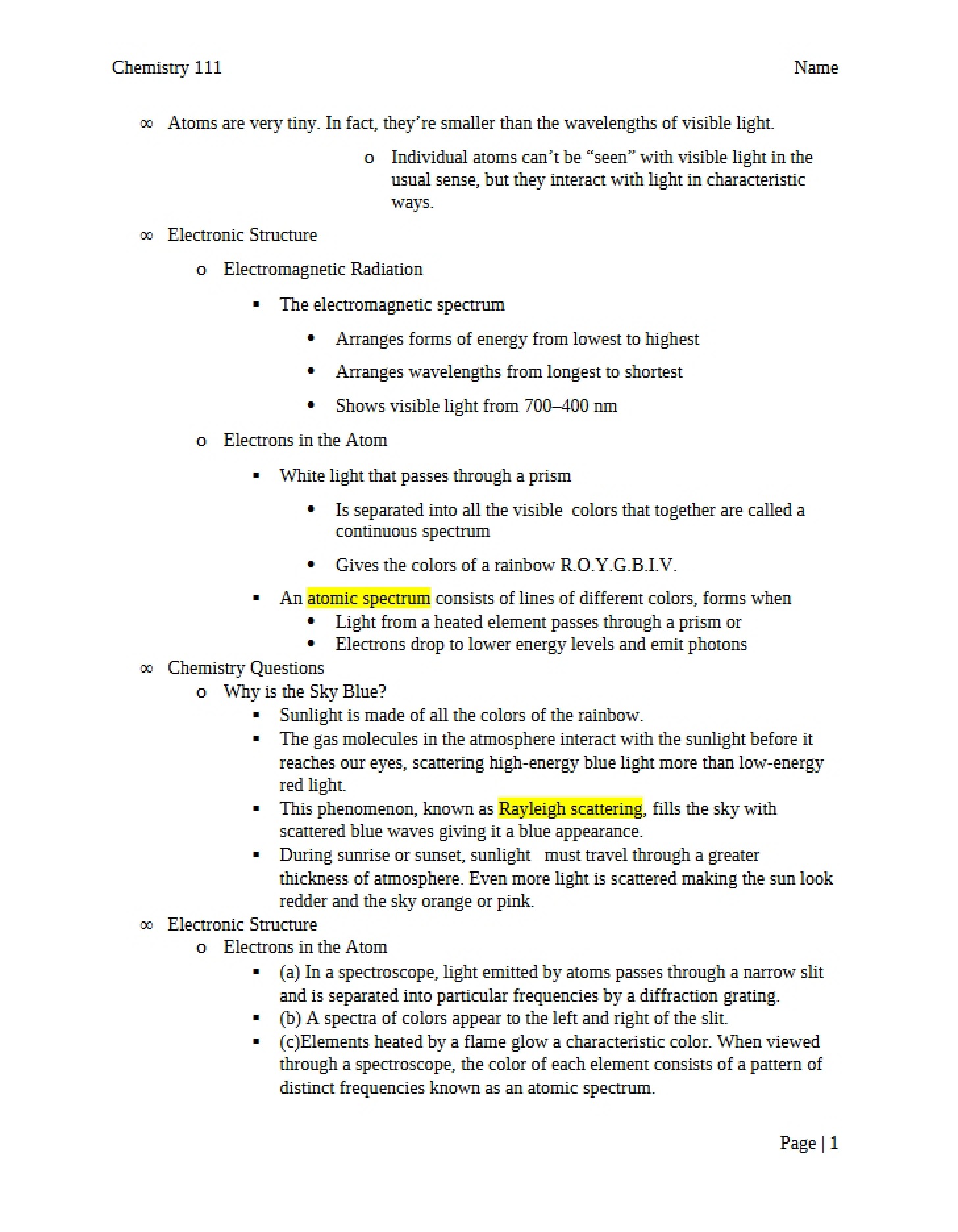
* An overview of the scale of atoms and their interaction with light.
* Discussion of the electromagnetic spectrum and its relevance to atomic structure.
* Explanation of how electrons are arranged within atoms.
* Exploration of the relationship between energy levels and the emission of light.
* Illustrative examples connecting chemical principles to everyday observations (like the color of the sky and fireworks).
* Opportunities to check your understanding of key concepts.