What This Document Is
This resource is designed as a comprehensive study aid focusing on core concepts within the Sociology of the Family (SOCY 305) at the University of South Carolina. It takes the form of a detailed question and answer review, covering a broad spectrum of topics related to family structures, dynamics, and societal influences. The material is geared towards solidifying understanding of key sociological theories and research findings as they apply to the American family.
Why This Document Matters
Students enrolled in SOCY 305, or those studying family sociology more generally, will find this particularly useful when preparing for quizzes, exams, or larger course assessments. It’s ideal for reinforcing learning *after* lectures and readings, helping to identify areas needing further review. Individuals seeking a strong grasp of the sociological perspectives on family – including feminist theory, symbolic interactionism, and exchange theory – will benefit from engaging with this material. It’s also valuable for anyone wanting to understand the evolving landscape of family life in the United States.
Common Limitations or Challenges
This resource is *not* a substitute for required course readings or active participation in class discussions. It does not offer original research or in-depth analysis of specific case studies. While it covers a wide range of concepts, it doesn’t provide exhaustive coverage of every possible topic within the Sociology of the Family. It is designed to test and reinforce existing knowledge, not to deliver the core instructional content itself.
What This Document Provides
* A focused review of prominent sociological theories related to family.
* Exploration of the interplay between globalization and family structures.
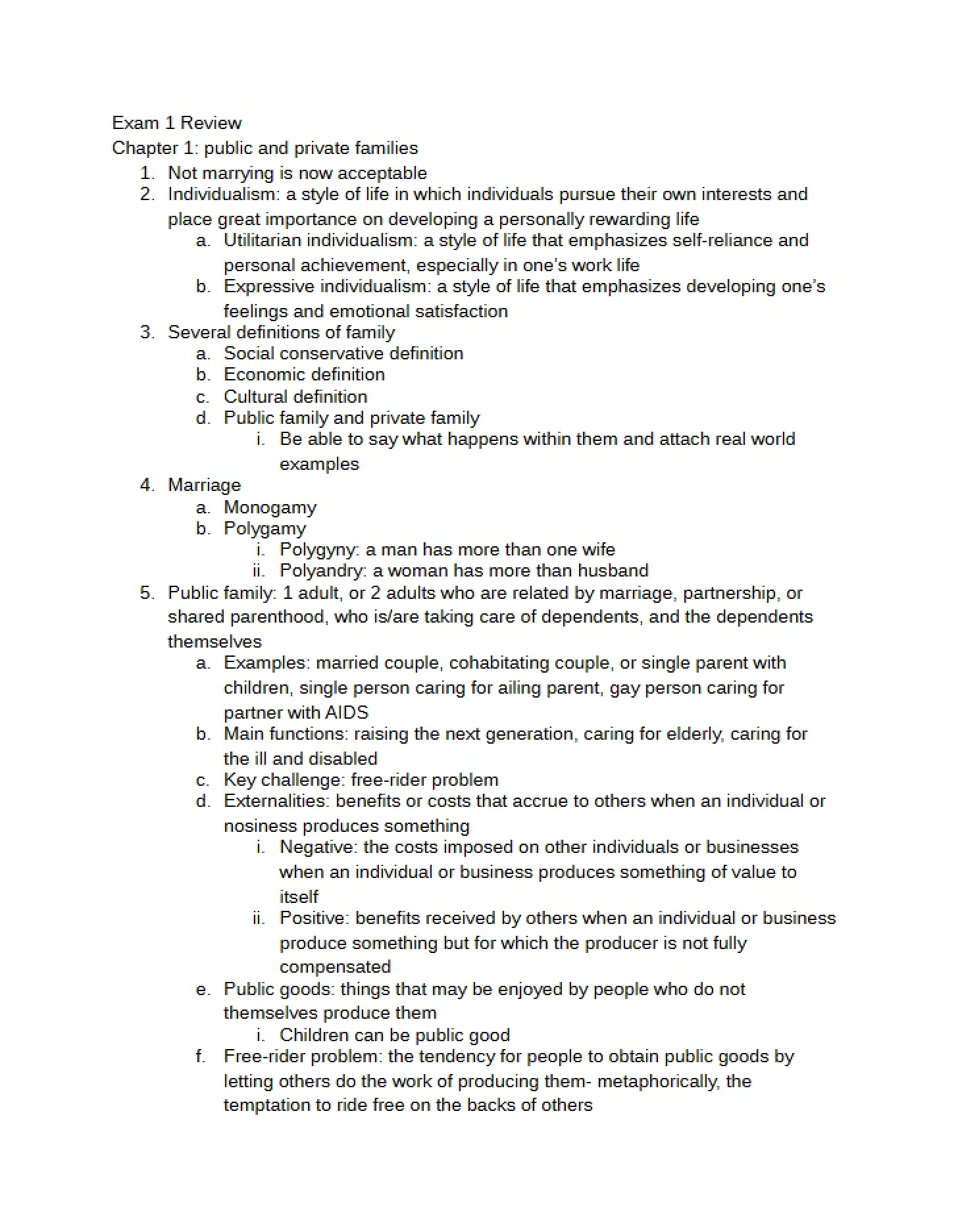
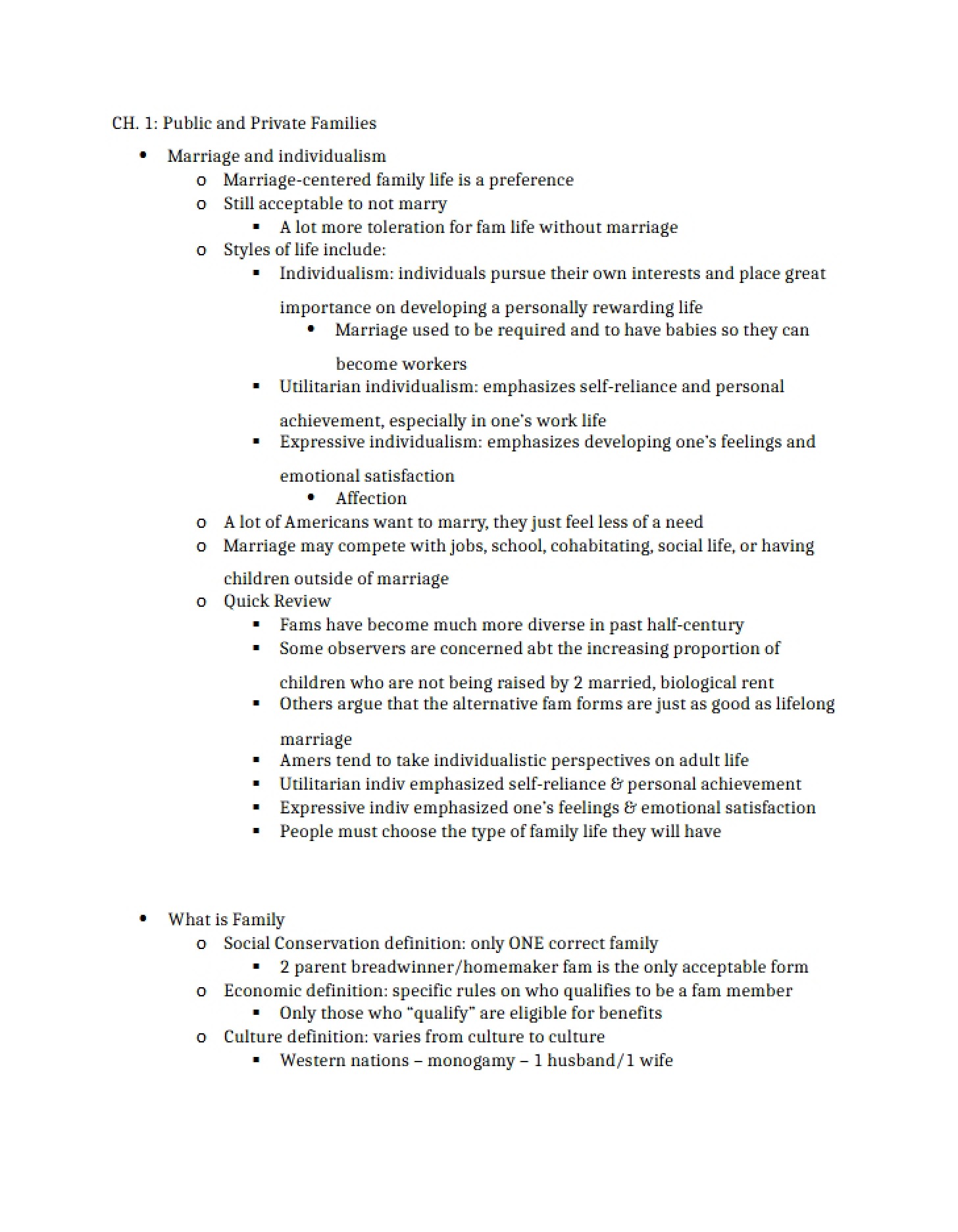
* Key definitions related to “public” versus “private” family concepts.
* Examination of research methodologies commonly used in family sociology.
* Insight into the sociological understanding of gender roles and dynamics.
* Coverage of the challenges and benefits associated with different family forms.
* Clarification of core concepts like reflexivity and the scientific method as applied to family studies.