What This Document Is
This document is a chapter excerpt focusing on the balance sheet, a core component of financial accounting. Specifically, it delves into the foundational principles and conceptual framework underpinning the creation and interpretation of this vital financial statement. It’s designed for students learning introductory financial accounting principles.
Why This Document Matters
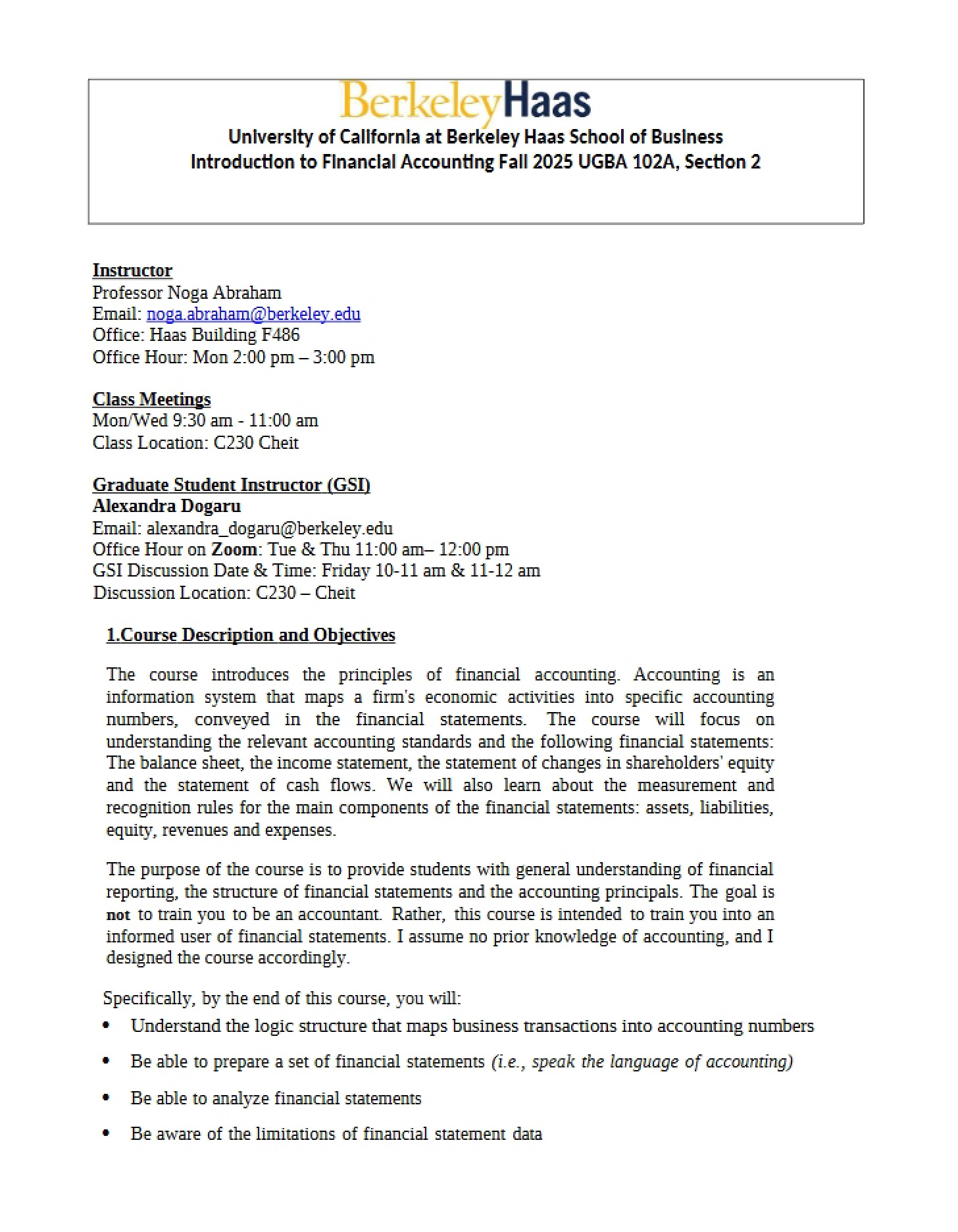
This resource is ideal for undergraduate students enrolled in introductory financial accounting courses, like UGBA 102A at UC Berkeley. It’s particularly helpful when you’re beginning to understand how business transactions are recorded and ultimately summarized into a meaningful financial picture. Use this chapter to build a strong foundation before tackling more complex accounting topics and real-world financial statement analysis. Understanding these concepts is crucial for anyone pursuing a career in business, finance, or accounting.
Topics Covered
* The fundamental objective of financial reporting
* The FASB’s Conceptual Framework and its key components
* Qualitative characteristics of useful financial information (relevance, faithful representation, comparability, understandability)
* Core assumptions in accounting (separate entity, going concern, stable monetary unit)
* Recognition, measurement, and disclosure concepts
* The cost-benefit constraint in financial reporting
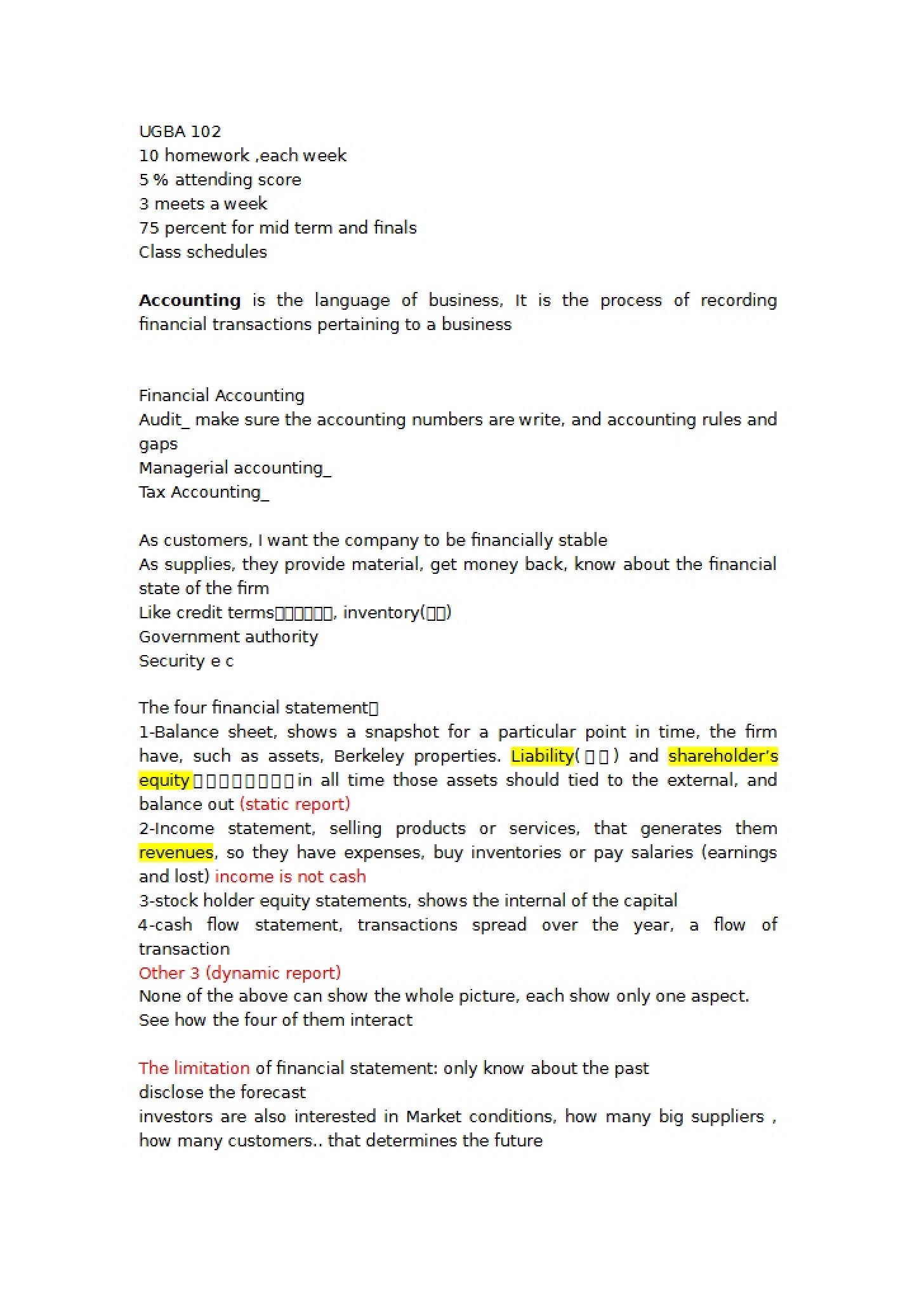
* The three primary elements of the balance sheet: assets, liabilities, and stockholder’s equity
What This Document Provides
* An overview of the principles guiding the preparation of the balance sheet.
* Exploration of the importance of consistent application of accounting rules.
* A breakdown of the elements included within the balance sheet.
* A listing of typical accounts found within the asset, liability, and equity sections of a balance sheet.
* Discussion of the qualities that make financial information useful for decision-making.