What This Document Is
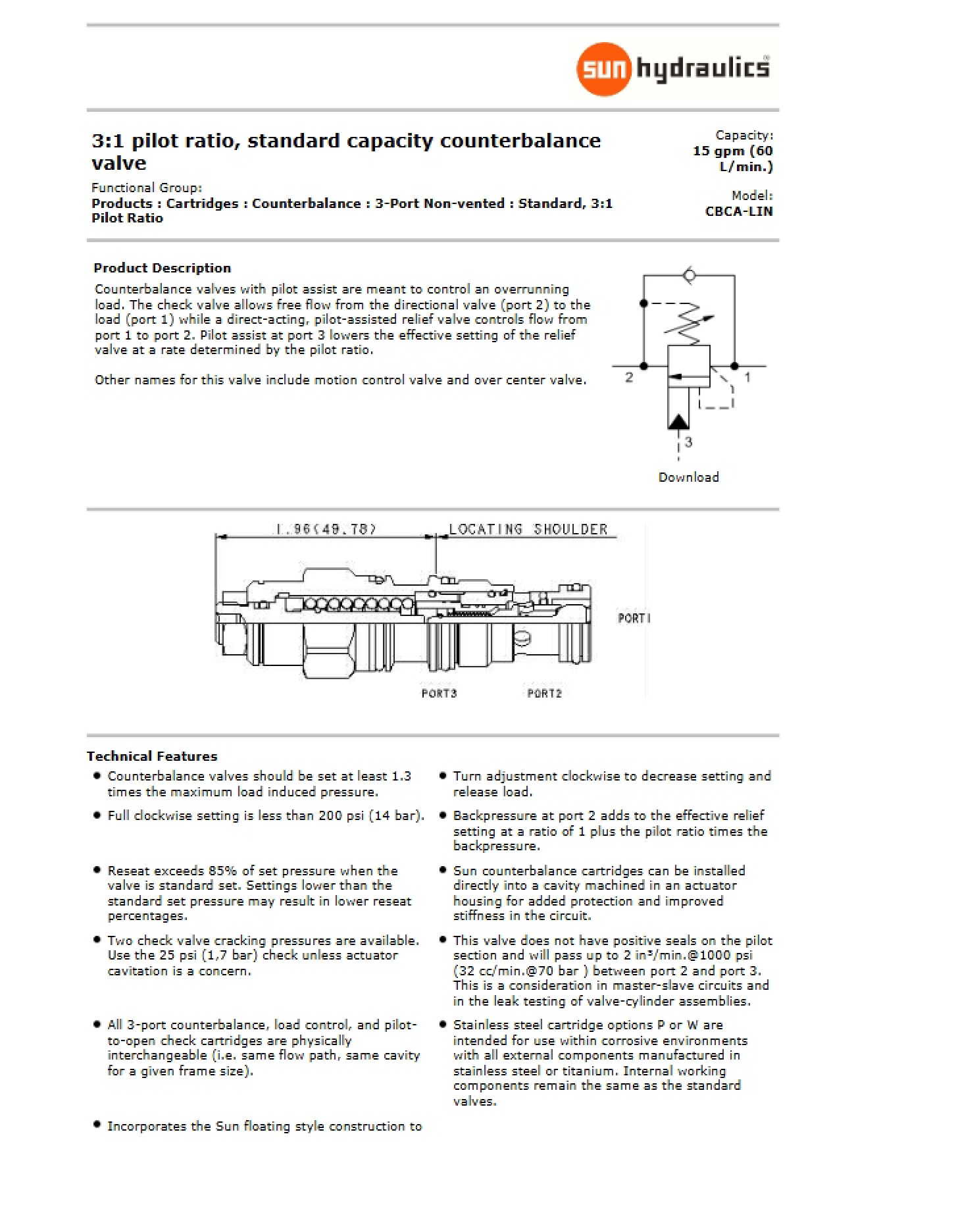
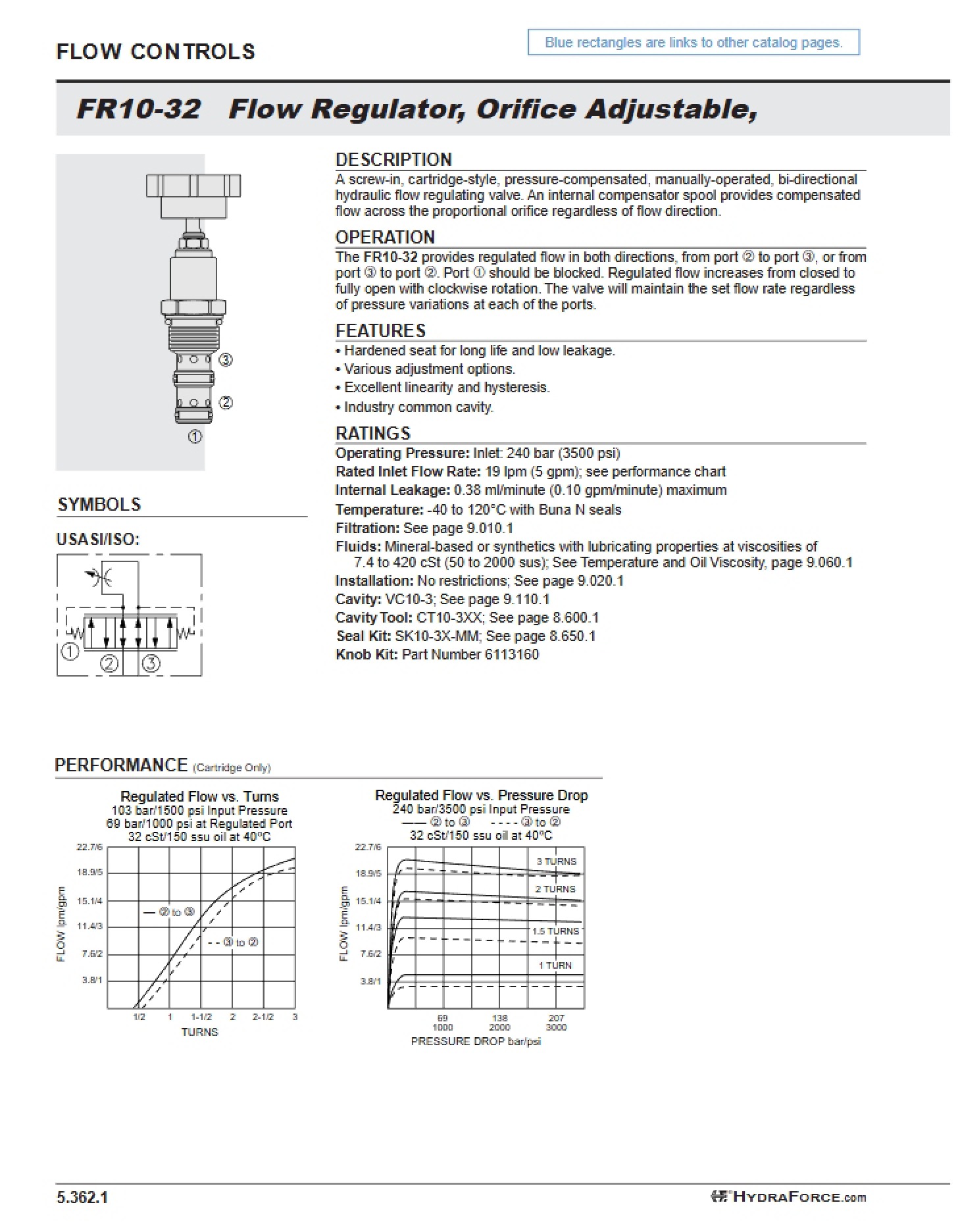
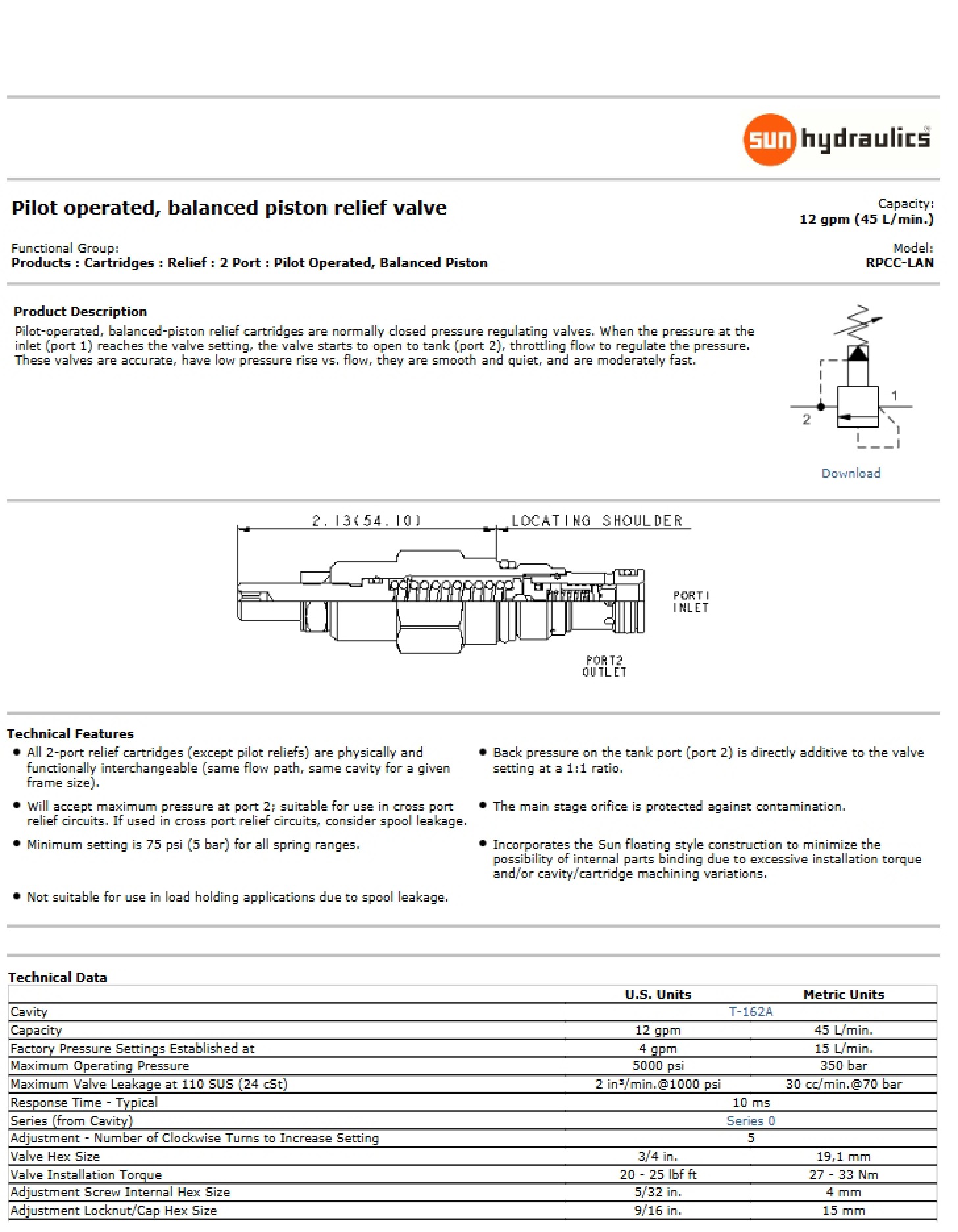
This document is a detailed technical specification for a balanced piston relief valve, specifically a pilot-operated cartridge model from Sun Hydraulics (RPEC-KDN). It provides a comprehensive overview of the valve’s design, functionality, and performance characteristics within a fluid power control system. It’s geared towards engineering students and professionals working with hydraulic systems.
Why This Document Matters
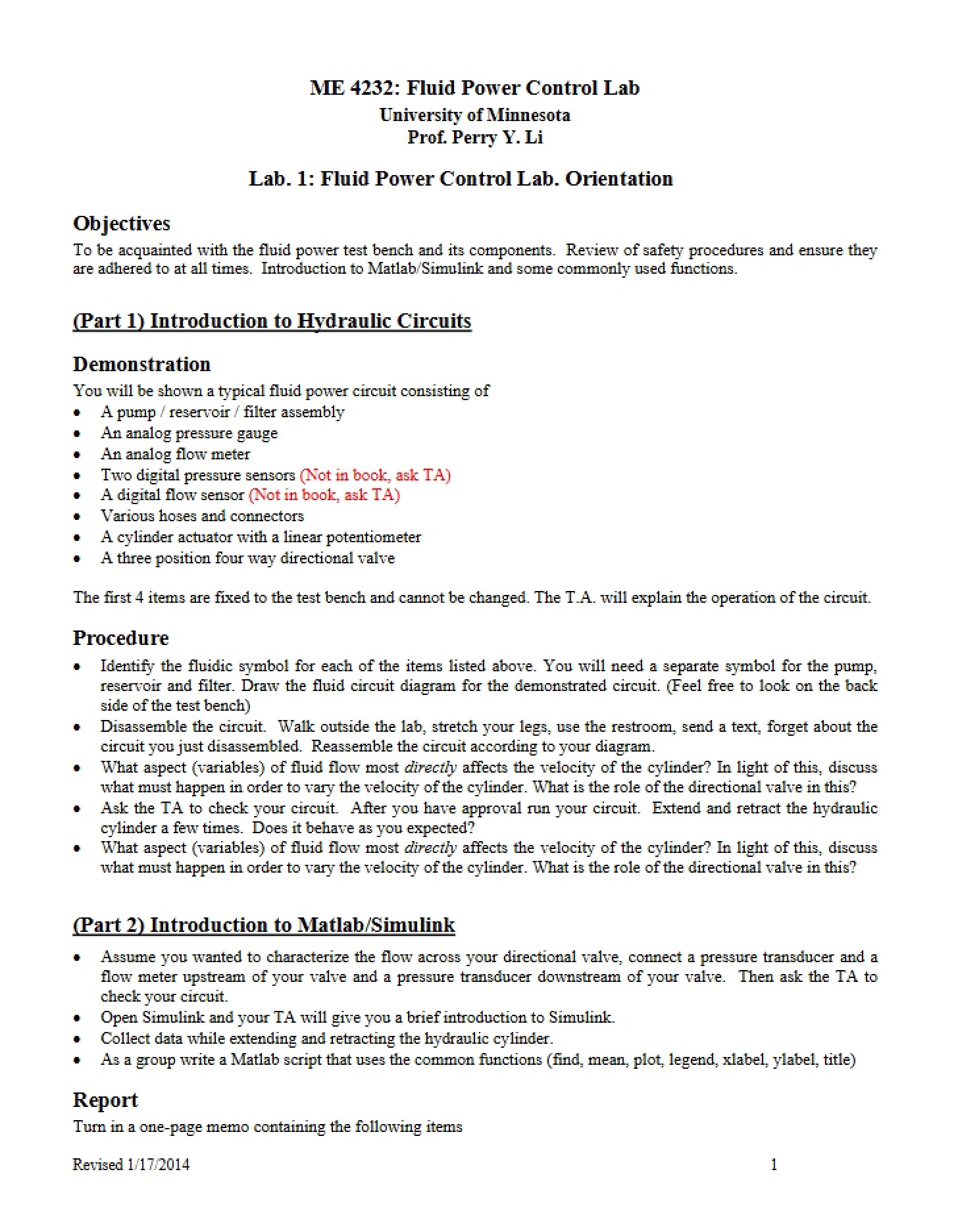
This resource is invaluable for students in a Fluid Power Control Lab (like ME 4232 at the University of Minnesota Twin Cities) needing to understand the intricacies of pressure relief valves. It’s particularly useful when designing, analyzing, or troubleshooting hydraulic circuits where precise pressure regulation is critical. Professionals involved in the selection, installation, and maintenance of hydraulic components will also find this information essential. Understanding these specifications allows for informed decisions regarding system compatibility and optimal performance. It’s most helpful when you need in-depth technical details beyond general textbook explanations.
Common Limitations or Challenges
This document focuses solely on the technical aspects of *this specific* relief valve model. It does not provide broader theoretical explanations of fluid power principles, nor does it offer step-by-step instructions for system design or troubleshooting. It assumes a foundational understanding of hydraulic systems and related terminology. Furthermore, it doesn’t include practical lab exercises or real-world application case studies – it’s a reference for component specifics, not a complete learning module.
What This Document Provides
* Detailed technical features of the balanced piston relief valve.
* Precise performance data, including capacity, maximum operating pressure, and leakage rates (in both US and Metric units).
* Information on material options and their suitability for different operating environments.
* Specific data regarding adjustment mechanisms and setting ranges.
* Compatibility information regarding cartridge interchangeability.
* A listing of available seal kit options.
* Valve dimensions and installation torque specifications.
* References to related valve models and supplemental explanations of control options.