What This Document Is
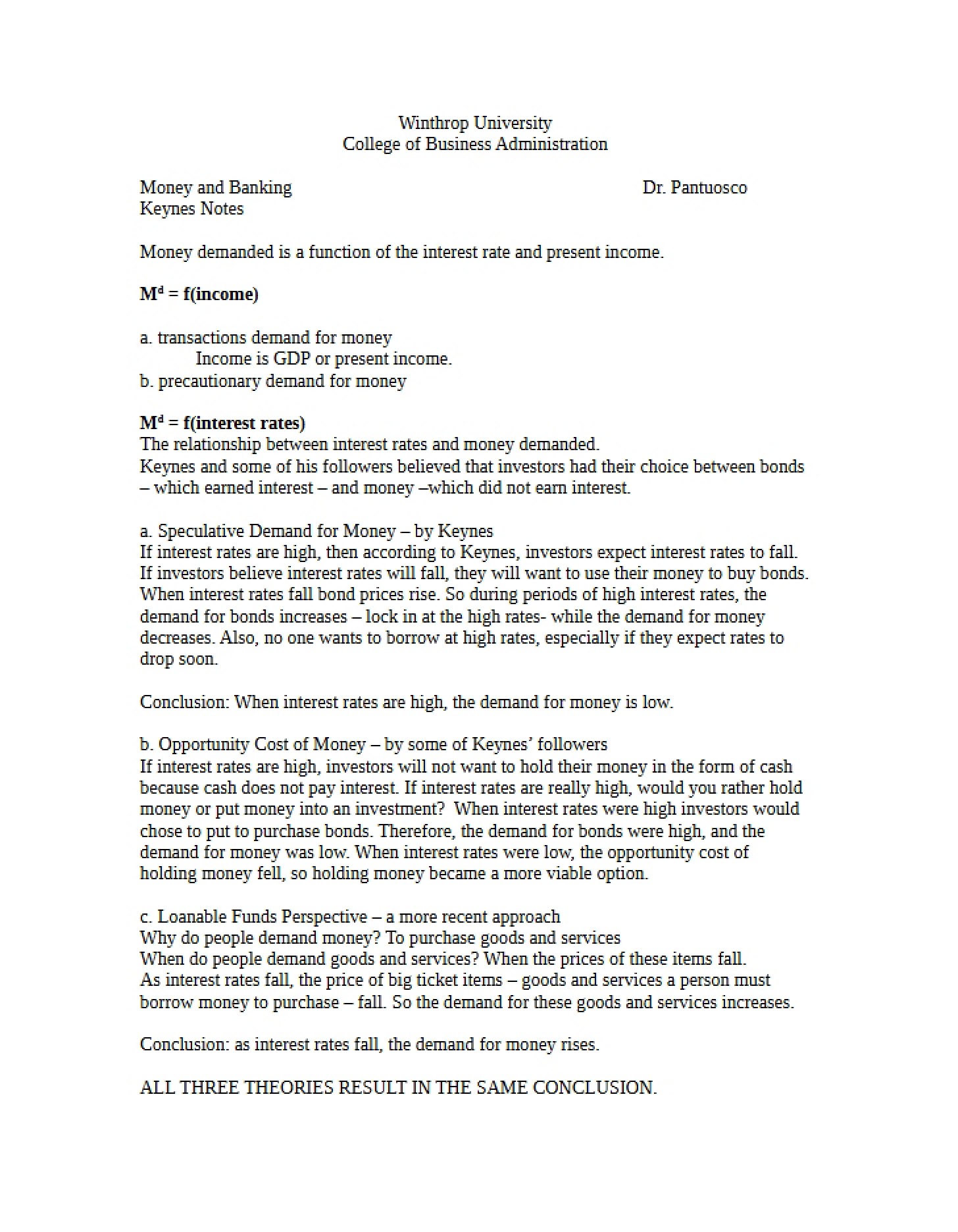
This study guide delves into the foundational concepts of money and banking, specifically within the context of an undergraduate economics course. It explores the nature of money, its functions, and how it’s measured within an economy. The material examines both historical and modern perspectives on monetary systems, including potential future scenarios. It also introduces key concepts related to the role of the Federal Reserve in managing the money supply.
Why This Document Matters
Students enrolled in Money and Banking (ECON 335) – or similar introductory courses – will find this resource particularly valuable. It’s ideal for supplementing lectures, clarifying complex topics, and preparing for assessments. Anyone seeking a deeper understanding of how money impacts economic stability and growth will also benefit. This guide is best used *alongside* your course textbook and lecture notes to reinforce learning and build a strong conceptual foundation. It’s designed to help you grasp the ‘big picture’ of monetary economics.
Common Limitations or Challenges
This guide focuses on core principles and doesn’t provide in-depth mathematical modeling or advanced econometric analysis. It doesn’t offer specific investment advice or predictions about future market behavior. While it touches upon the Federal Reserve’s role, it doesn’t cover every nuance of monetary policy implementation. It’s also important to remember that economic concepts are constantly evolving, so this material represents a snapshot of understanding at a particular point in time.
What This Document Provides
* An overview of the characteristics and historical evolution of money.
* Discussion of the potential benefits and drawbacks of a cashless society.
* Explanations of different monetary aggregates (M1, M2, and formerly M3) and their components.
* Insights into the Federal Reserve’s motivations for tracking monetary aggregates.
* An exploration of the relationship between money supply growth and inflation.
* Fundamental concepts related to the creation of money within the banking system.