What This Document Is
This study guide provides a comprehensive overview of abnormal behavior within the field of psychology. It delves into the complexities of defining what constitutes “normal” versus “abnormal” psychological functioning, and explores various theoretical perspectives used to understand deviations from typical behavior. This resource is designed for students seeking a foundational understanding of psychopathology – the study of mental disorders.
Why This Document Matters
This guide is particularly helpful for students enrolled in introductory psychology courses, or those preparing for more advanced study in clinical psychology or related fields. It’s ideal for supplementing lectures, clarifying complex concepts, and building a strong base for understanding the diagnostic and classification systems used in the mental health profession. If you’re looking to grasp the core principles behind understanding atypical behaviors, this resource will be a valuable asset.
Topics Covered
* Defining Normal and Abnormal Behavior – exploring the challenges of categorization.
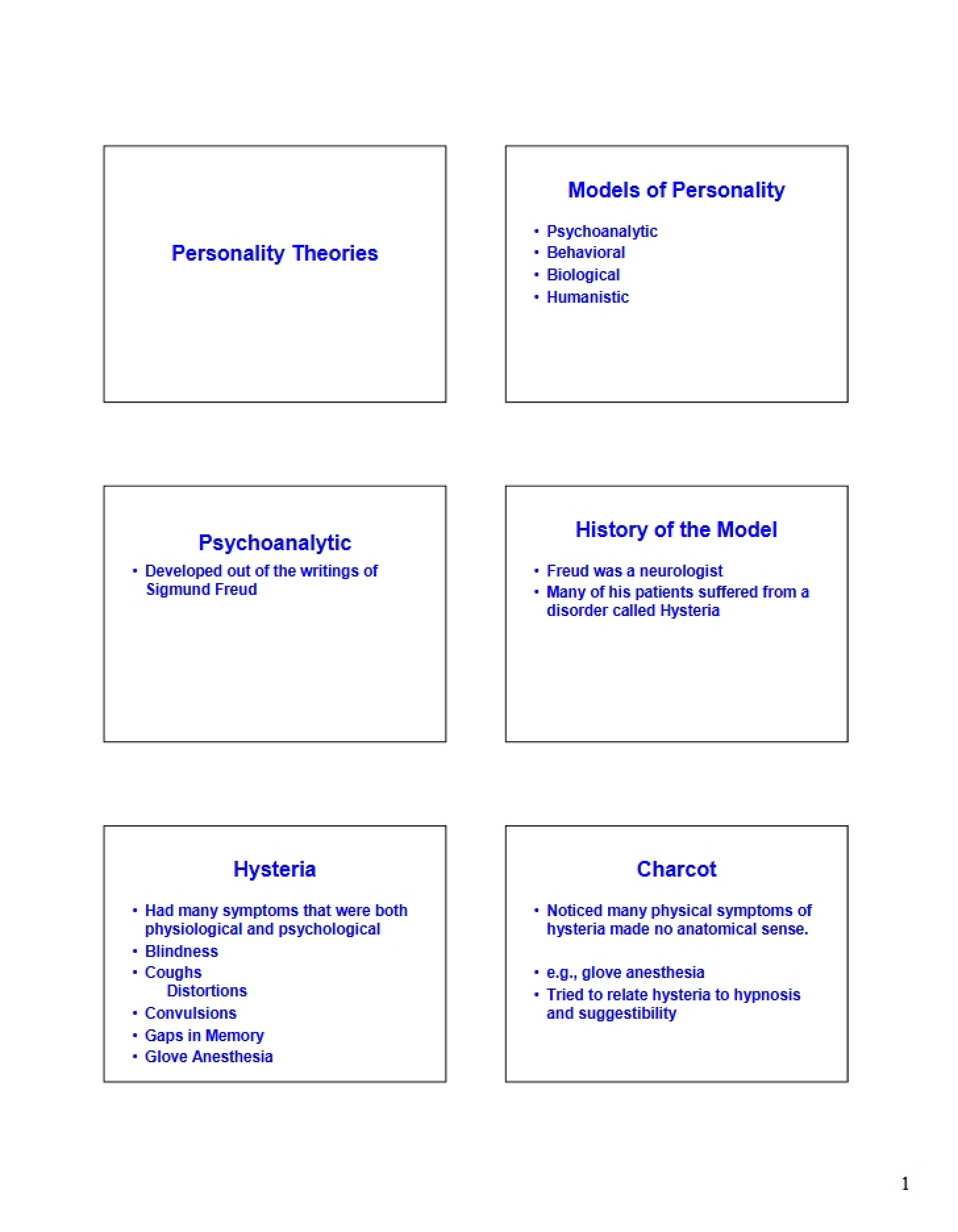
* Major Models of Abnormal Behavior – including statistical, biological, sociological, psychoanalytic, and learning approaches.
* The Role of Diagnosis and Classification in Understanding Mental Disorders.
* Overview of Common Psychological Disorders – including mood, anxiety, and psychotic disorders.
* Multiaxial Assessment – a system for evaluating psychological functioning.
* Considerations of cultural influences on perceptions of abnormality.
What This Document Provides
* A structured exploration of different theoretical frameworks for understanding abnormal behavior.
* An introduction to the historical development of diagnostic systems.
* A broad categorization of various types of psychological disorders.
* A framework for understanding the complexities of labeling and diagnosing mental illness.
* An overview of factors considered when assessing an individual’s psychological state.