What This Document Is
This is a comprehensive study guide compiled from course materials for Biology 101 at the University of South Carolina. It appears to be a detailed set of notes taken during a freshman-level biology course, covering foundational concepts essential for understanding life sciences. The guide systematically explores core principles, beginning with overarching themes and progressing into the chemical basis of life and the properties of water. It delves into the significance of carbon compounds and molecular diversity.
Why This Document Matters
This resource is ideal for students currently enrolled in an introductory biology course, or those preparing to take one. It’s particularly useful for students who benefit from having a consolidated, organized set of notes to supplement lectures and textbook readings. It can be used for review before quizzes and exams, or as a reference while completing assignments. Students who struggle with memorizing details or connecting concepts will find this guide especially helpful for building a strong foundation in biological principles.
Common Limitations or Challenges
This study guide represents one student’s interpretation and organization of course material. It does *not* replace the need to attend lectures, read assigned textbooks, or engage with other course resources. It is not an official course textbook or a substitute for instructor guidance. The guide focuses on presenting information; it does not include practice problems, detailed experimental data, or interactive elements. It’s designed to aid understanding, not to provide all answers directly.
What This Document Provides
* An overview of fundamental themes in the study of life, including emergent properties and the interactions between organisms and their environment.
* A foundational understanding of the chemical context of life, including elements, isotopes, and chemical bonds.
* Detailed exploration of the properties of water and its importance for biological systems.
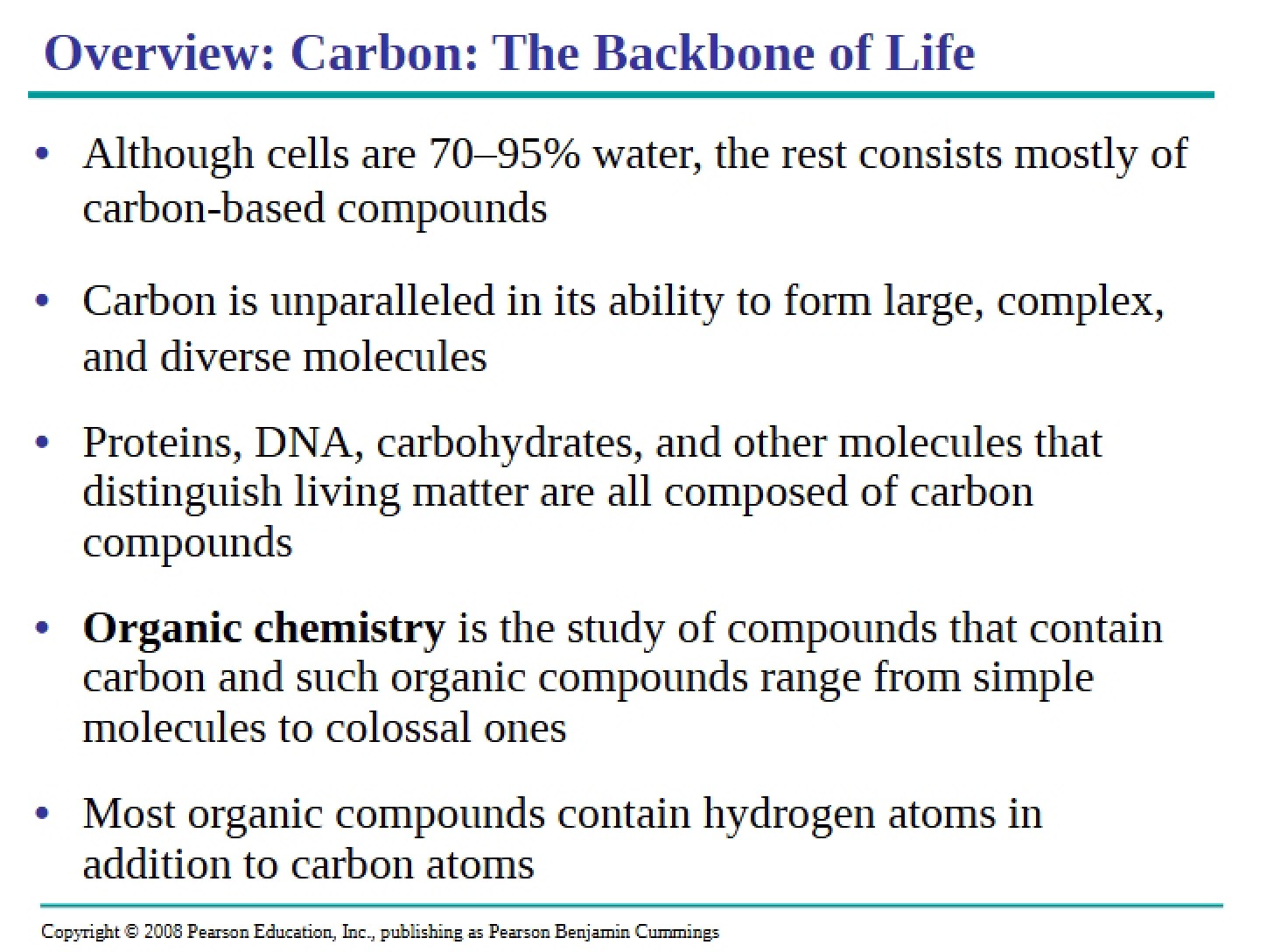
* An introduction to the role of carbon in creating molecular diversity within living organisms.
* Key terminology and concepts related to biological organization and the domains of life.
* Discussion of essential principles like feedback mechanisms and the continuity of life through heritable information.