What This Document Is
This is a focused exploration of bioenergetics, a core component of introductory biochemistry. It delves into the principles governing energy flow within living systems, laying the groundwork for understanding metabolic pathways and their regulation. This resource is designed to build a strong conceptual foundation in the quantitative aspects of biochemical processes. It’s part of a comprehensive course covering structure, enzymes, and metabolism at the University of California, Los Angeles.
Why This Document Matters
Students enrolled in biochemistry, metabolic engineering, or related life science disciplines will find this particularly valuable. It’s ideal for use when you’re beginning to grapple with the complexities of cellular energy transformations, needing to solidify your understanding of fundamental thermodynamic principles as they apply to biological systems. This material is most helpful when studying the relationship between chemical reactions and energy changes within cells, and before diving into specific metabolic pathways. Accessing the full content will provide a deeper understanding needed for success in this challenging course.
Topics Covered
* The fundamental definition and scope of metabolism and bioenergetics.
* Thermodynamic principles governing biochemical reactions (First and Second Laws).
* Gibbs Free Energy and its relationship to reaction spontaneity and equilibrium.
* The concept of energy coupling in biological systems.
* The role of ATP as an energy currency.
* Relationships between equilibrium constants and free energy changes.
* Entropy changes in biological reactions.
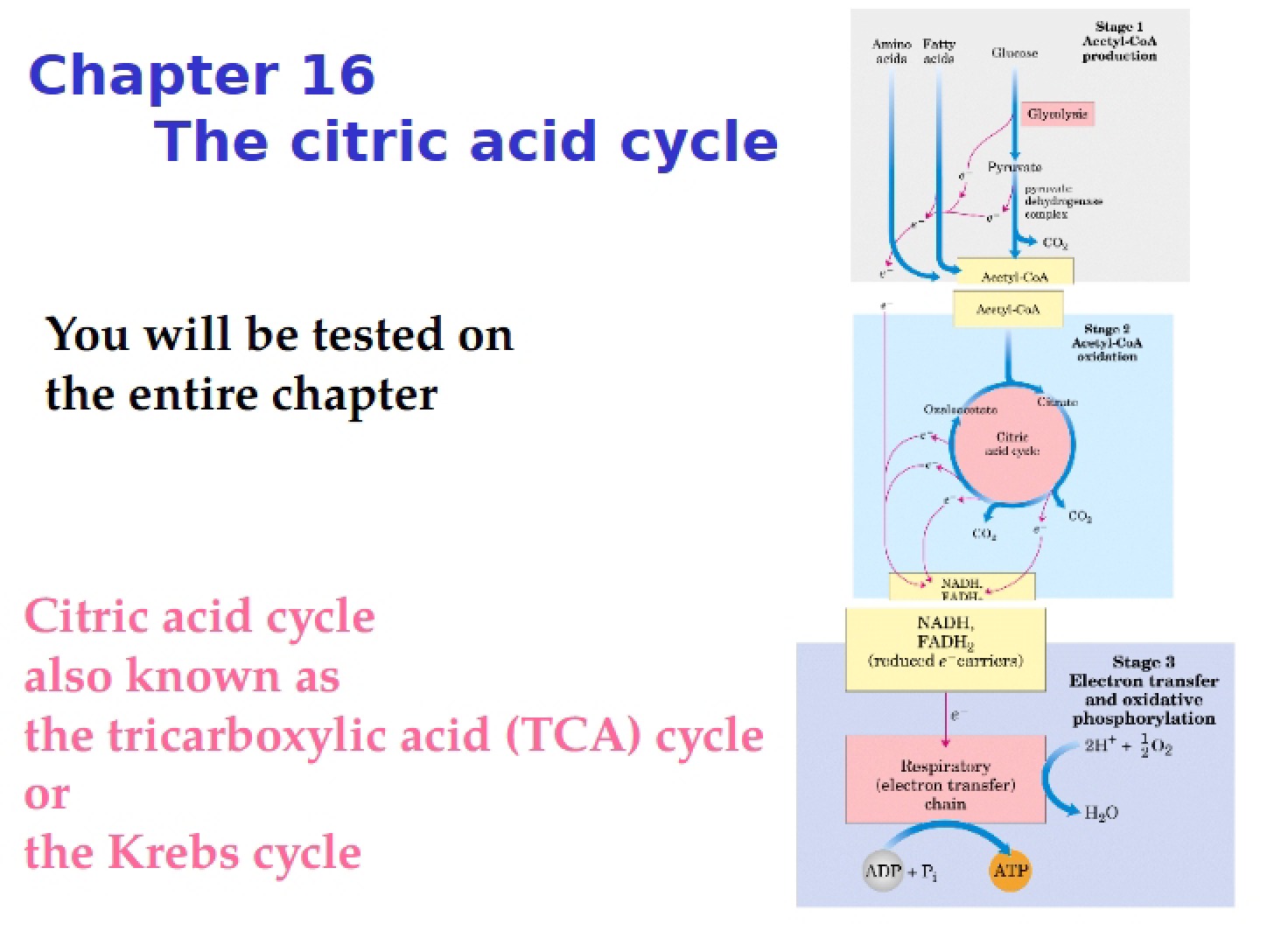
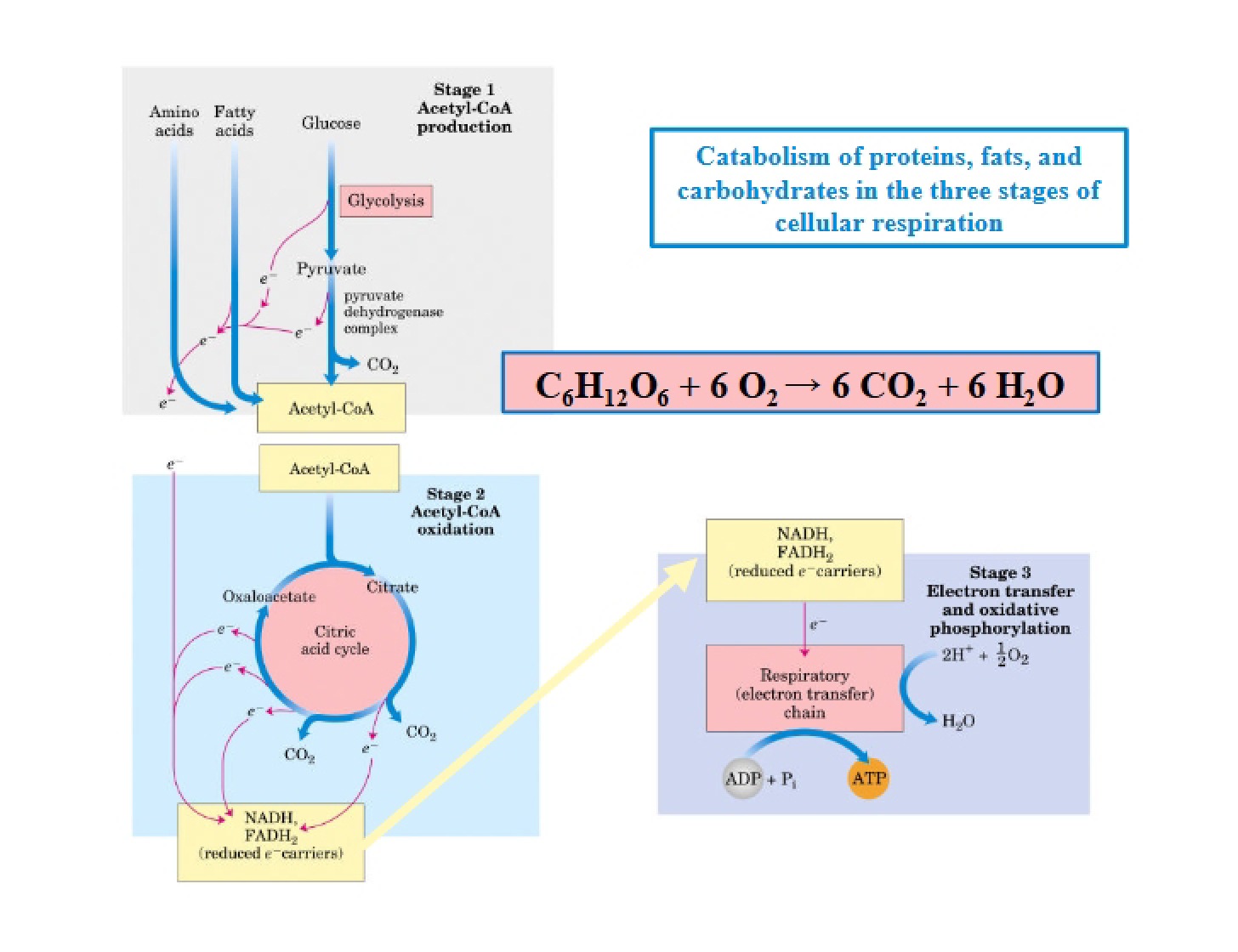
* Overview of major metabolic stages and central molecules.
What This Document Provides
* A clear articulation of the core principles of bioenergetics.
* Illustrative representations of metabolic pathways and their interconnectedness.
* Key definitions and relationships between thermodynamic parameters.
* A framework for understanding how energy is harvested and utilized in living organisms.
* Connections between macroscopic physical laws and microscopic biochemical events.
* A foundation for further study of specific metabolic pathways like glycolysis and the citric acid cycle.