What This Document Is
This is a comprehensive exploration of the fundamental building blocks of life, focusing on the molecular basis of biological systems. Specifically, it delves into the world of biomolecules – the compounds that constitute living organisms – and their intricate relationships within cellular processes. This material is designed for students in an introductory biochemistry course, providing a foundational understanding of structure, function, and interactions at the molecular level. It lays the groundwork for understanding more complex metabolic pathways and enzymatic reactions.
Why This Document Matters
This resource is invaluable for students seeking a solid grasp of biochemistry principles. It’s particularly helpful for those who benefit from a detailed examination of molecular components and their organization. Use this material to build a strong conceptual framework before tackling advanced topics like enzyme kinetics, metabolic regulation, and genetic information flow. It’s ideal for supplementing lectures, reinforcing classroom learning, and preparing for more in-depth study. Accessing the full content will unlock a deeper understanding of these critical concepts.
Topics Covered
* The elemental composition of living matter and the properties of key elements.
* Hierarchical organization of biomolecules, from monomers to supramolecular complexes.
* The core classes of biomolecules: proteins, nucleic acids, lipids, and carbohydrates.
* Carbon chemistry: bonding characteristics, functional groups, and isomerism.
* Fundamental reaction types occurring within biological systems.
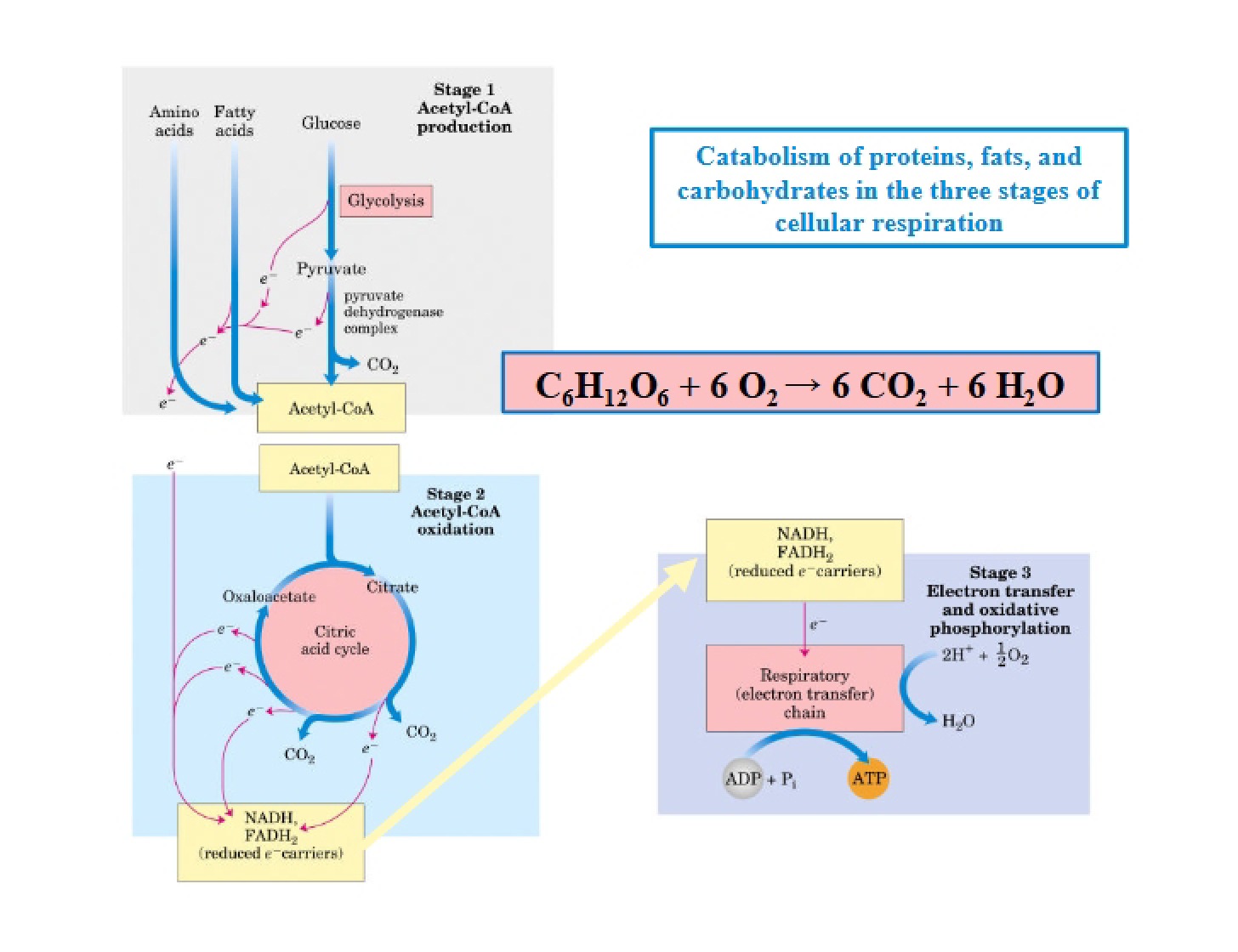
* The role of energy and the central importance of ATP in cellular processes.
* Principles of free energy and coupling reactions.
What This Document Provides
* An overview of the molecular components of a typical cell and their relative abundance.
* Detailed descriptions of common functional groups and their chemical properties.
* Illustrations exploring chirality and the significance of stereoisomers in biological systems.
* An introduction to the concepts of oxidation-reduction, bond formation, and energy transfer.
* A foundational understanding of how catabolic and anabolic pathways are linked through ATP metabolism.
* Visual representations of key biochemical principles to aid comprehension.