What This Document Is
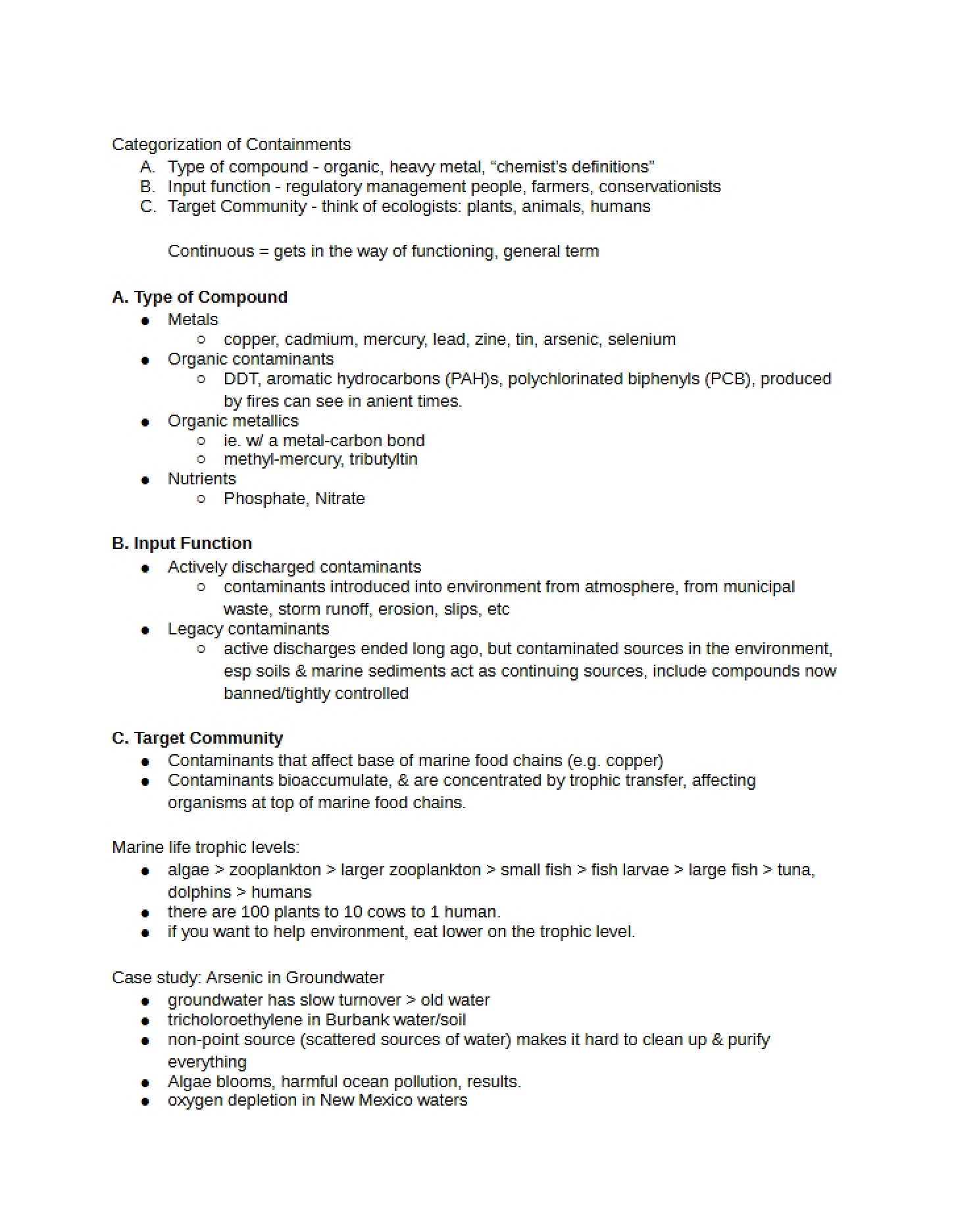
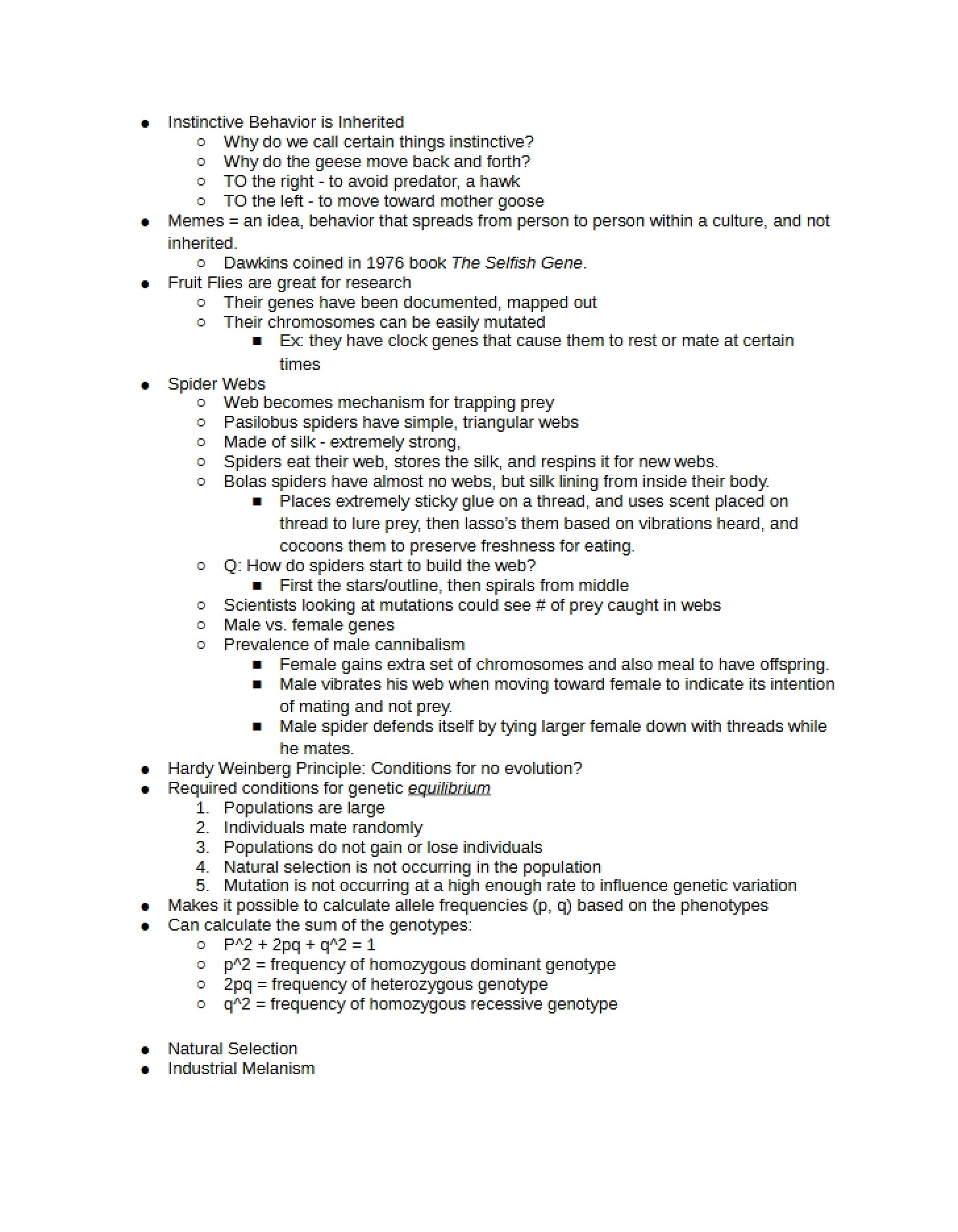
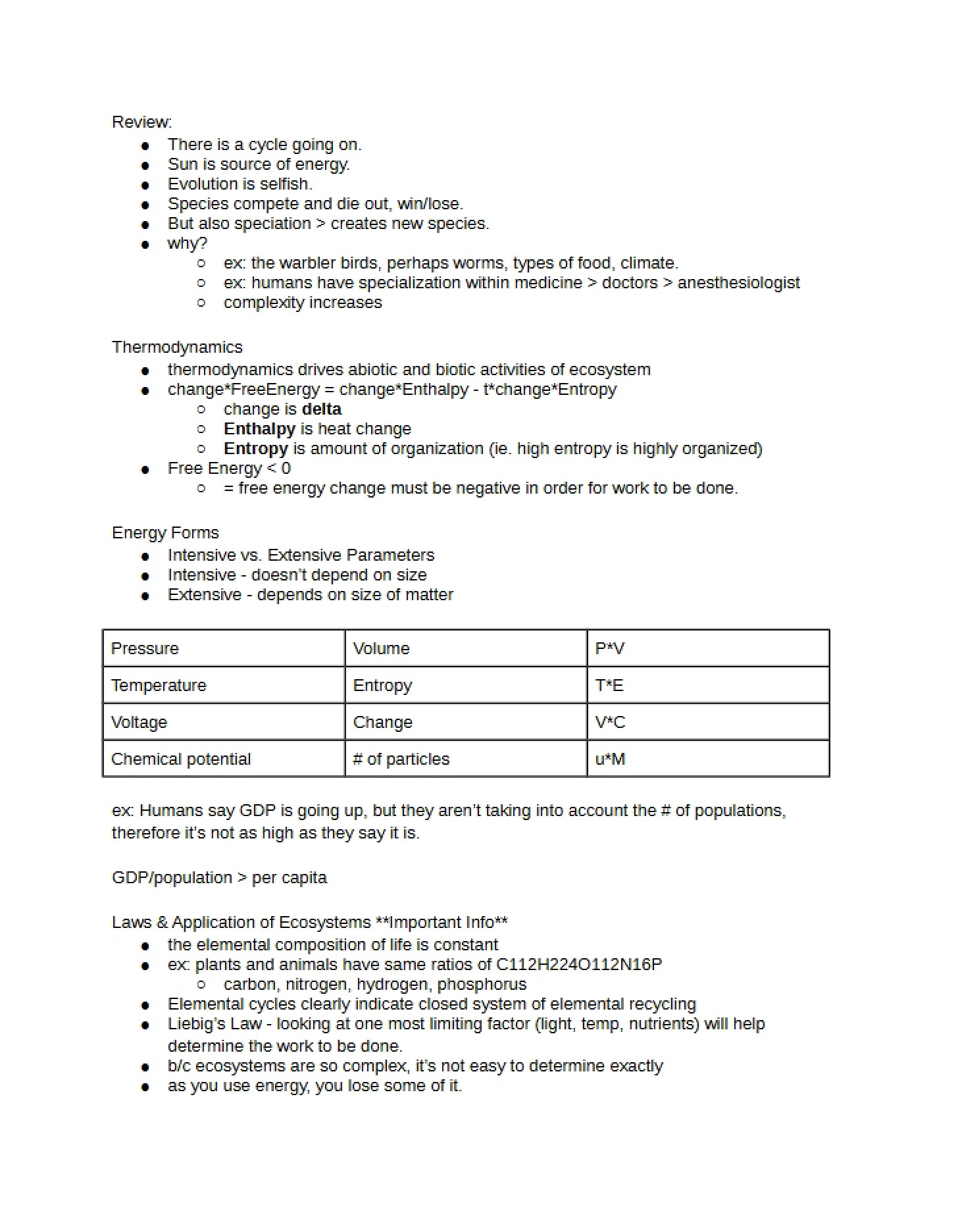
This material represents lecture notes from a University of Southern California BISC 102: Humans and Their Environment course session held on January 14, 2016. It delves into the complex relationship between humanity and the natural world, exploring foundational ecological principles and historical perspectives. The core focus appears to be establishing a framework for understanding environmental challenges through the lenses of ecosystem dynamics, genetics, and evolutionary theory. It connects these scientific concepts to socioeconomic factors and philosophical thought, aiming to foster a holistic understanding of human impact.
Why This Document Matters
Students enrolled in BISC 102, or those taking similar introductory environmental science courses, will find this resource particularly valuable. It’s ideal for reviewing material after a lecture, preparing for discussions, or building a foundational understanding of key concepts. Individuals interested in the historical development of environmental thought – from early biogeographers to modern evolutionary biologists – will also benefit. This resource is best used *in conjunction* with course lectures and assigned readings to maximize comprehension.
Common Limitations or Challenges
This material is a record of a specific lecture and does not represent a comprehensive textbook or standalone study guide. It’s designed to *supplement* rather than replace core course materials. The notes are presented in a lecture format, meaning they may be dense and require prior knowledge of basic scientific principles. It does not offer detailed problem sets, practice questions, or in-depth analyses of specific case studies. It also doesn’t provide a complete overview of the entire course curriculum.
What This Document Provides
* An overview of core concepts related to ecosystem structure and function.
* Historical context regarding the development of ecological and evolutionary thought.
* Connections between scientific principles and socioeconomic systems.
* Exploration of the concept of humanity’s “ecological footprint.”
* References to influential thinkers across disciplines – from economics to biology.
* Discussion of observational studies relating to animal behavior and navigation.
* Consideration of philosophical perspectives on humanity’s place in the universe.