What This Document Is
This module delves into a critical and often overlooked intersection within Deaf Studies: the cultural and linguistic experiences of Black Deaf individuals in America. It’s a focused exploration of a community shaped by the dual challenges of racial and audiological discrimination, examining how these forces have uniquely impacted identity, language development, and community formation. This isn’t simply an addendum to general Deaf culture; it’s a distinct and historically-rooted area of study. The module investigates the evolution of Black ASL and its relationship to broader ASL variations.
Why This Document Matters
This material is essential for students in Lang&Culture Deaf Communities (SHS 222) seeking a comprehensive understanding of the diverse experiences *within* the Deaf community. It’s particularly valuable for those interested in sociolinguistics, cultural studies, and the history of marginalized groups. Understanding these dynamics is crucial for culturally competent practice in fields like education, social work, and interpreting. Review this module when preparing for discussions and assessments related to cultural sensitivity and linguistic variation within the Deaf world.
Common Limitations or Challenges
This module provides a foundational understanding of Black Deaf culture and language, but it doesn’t offer exhaustive coverage of every aspect. It’s a starting point for deeper investigation, and individual experiences within the Black Deaf community will naturally vary. The material focuses on historical and systemic factors; it does not provide personalized narratives or individual case studies. Access to this module is required to fully grasp the nuances and complexities of the topic.
What This Document Provides
* Key historical context regarding segregation and its impact on Black Deaf education and community.
* An overview of the linguistic features and development of Black ASL.
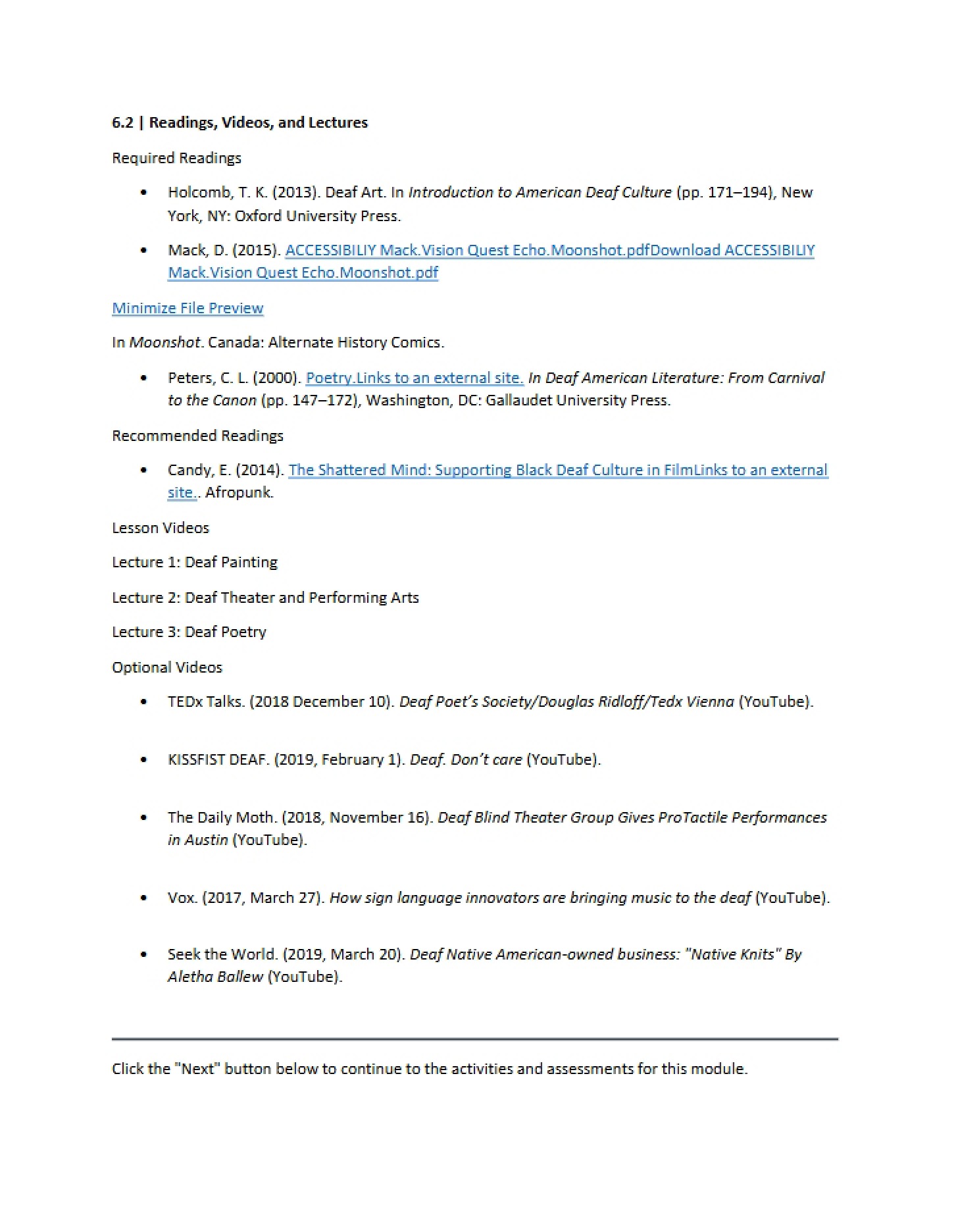
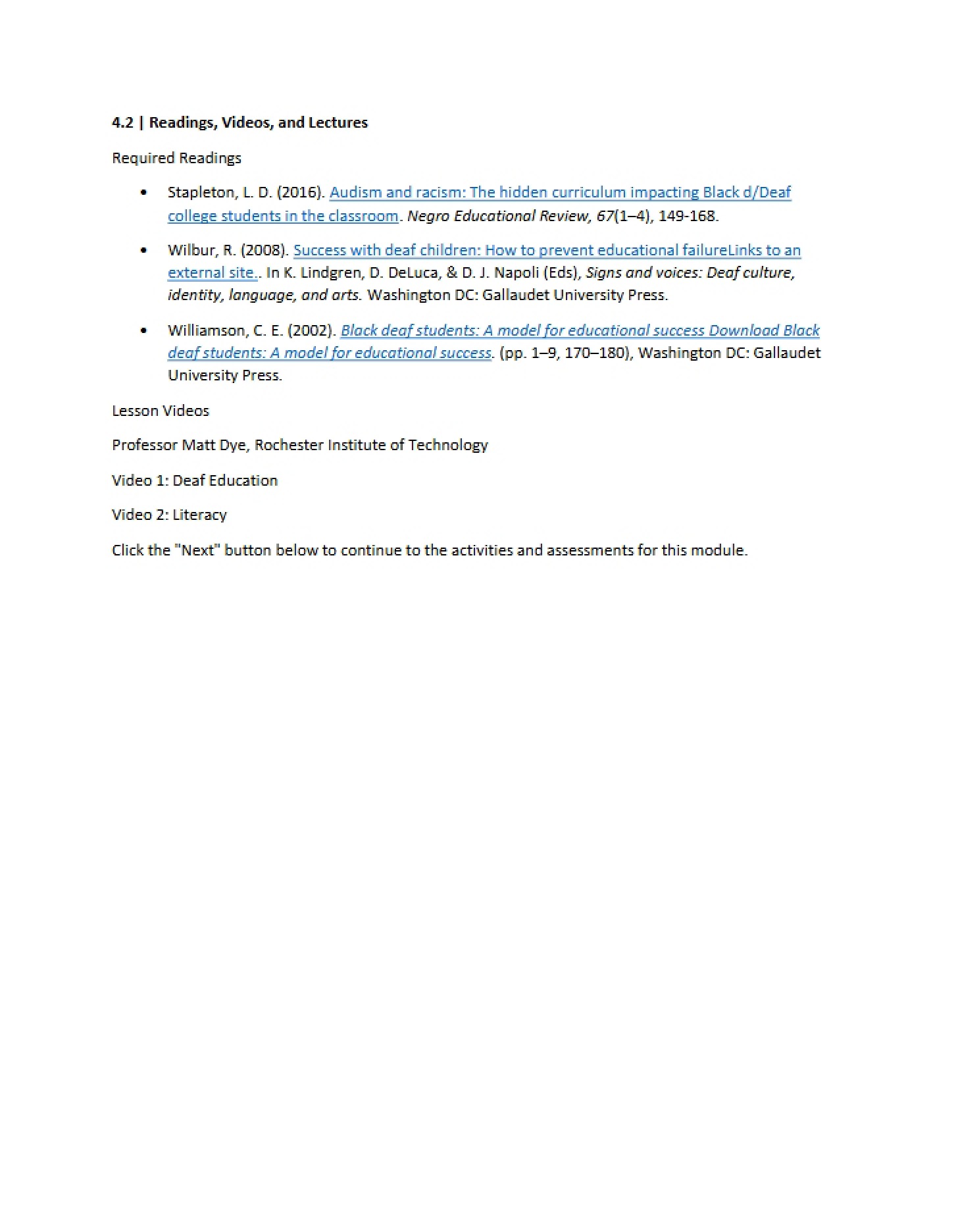
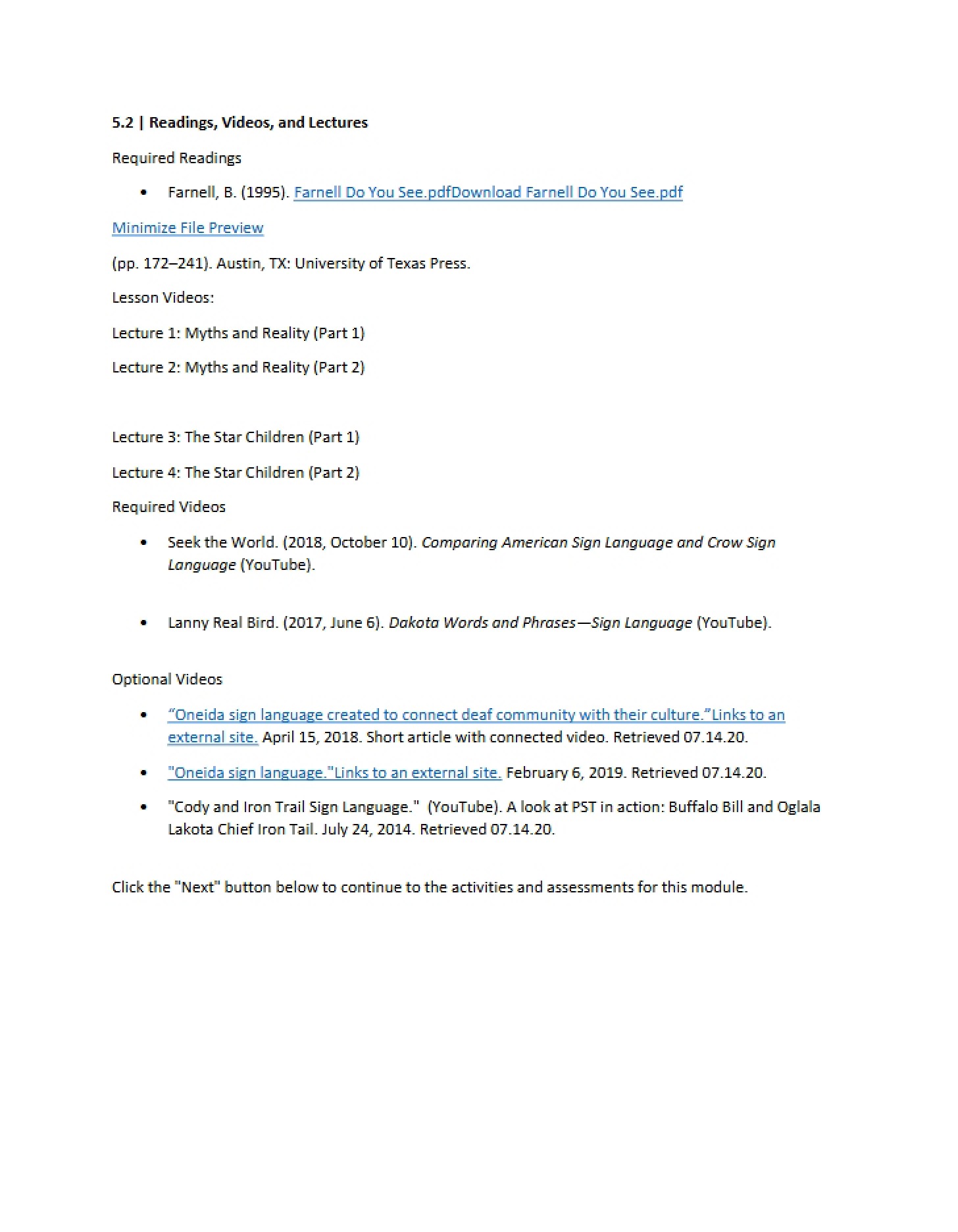
* A curated selection of scholarly readings from prominent researchers in the field.
* Links to relevant video resources, including historical footage and contemporary discussions.
* Details regarding associated assignments, including quizzes, discussion prompts, and a reflection activity.
* Opportunities for extra credit to enhance your understanding.