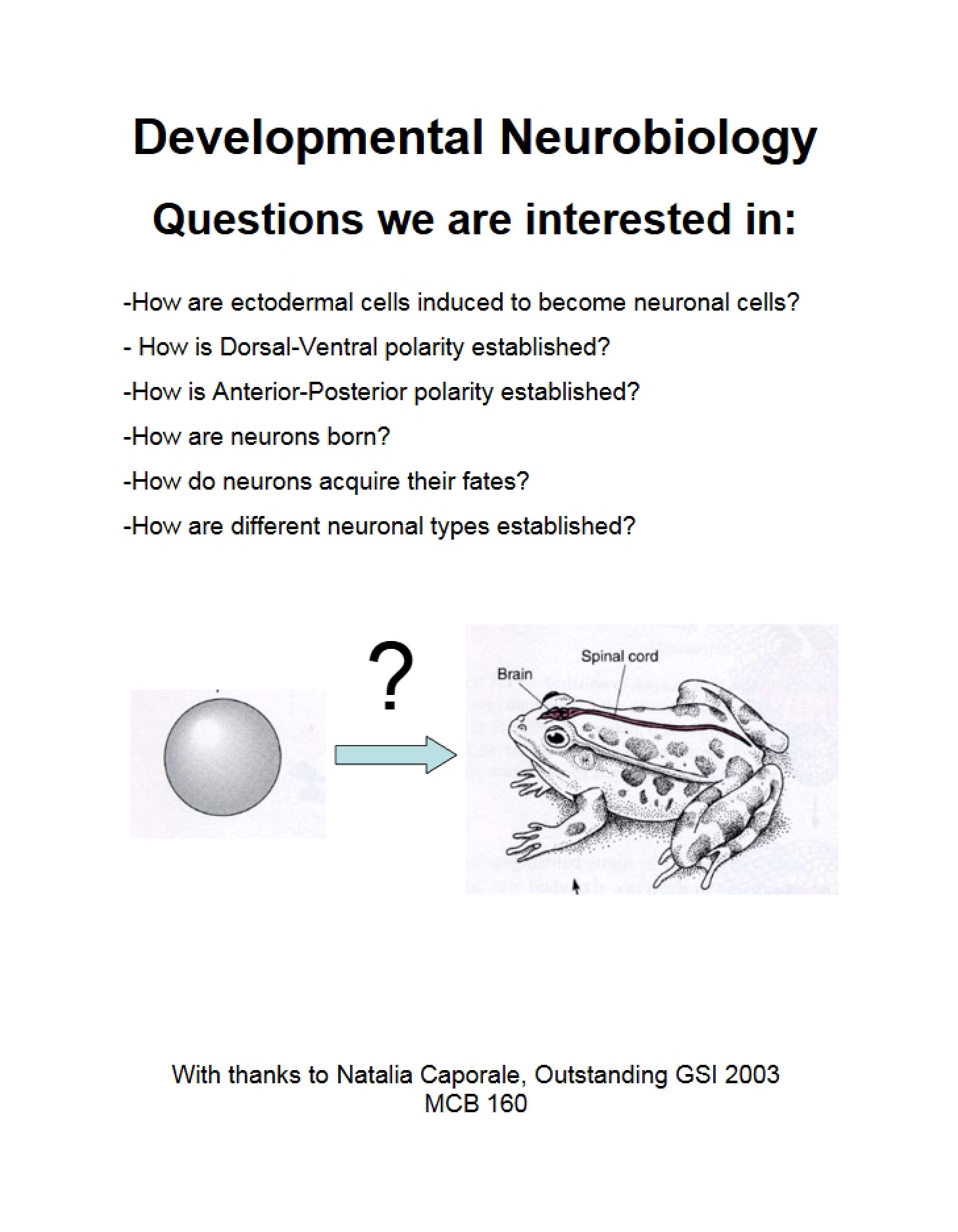
What This Document Is
This resource explores the fascinating intersection of early psychological theory and modern neuroscience. It delves into the historical roots of thought regarding the mind, specifically focusing on the work of Sigmund Freud, and then bridges those concepts with current understandings of brain function. It’s a comparative study, examining how initial ideas about mental processes are being illuminated – and sometimes challenged – by contemporary brain science. This isn’t a traditional historical account, but rather a focused investigation into specific themes and their evolution.
Why This Document Matters
This material is ideal for students in Neurobiology Laboratory (MCELLBI 160L) at UC Berkeley seeking a deeper understanding of the biological basis of behavior and cognition. It’s particularly valuable when studying the historical context of psychological thought and how that context informs current neuroscientific research. Use this as a supplemental resource to enrich your understanding of perception, neurological disorders, and the complexities of the human brain. It’s best reviewed alongside core course materials to provide a broader perspective.
Topics Covered
* The historical pursuit of a scientific understanding of the mind.
* Early psychological concepts and their proposed mechanisms.
* The relationship between perception and neurological processes.
* Neural correlates of complex cognitive functions.
* The neurobiological basis of certain psychological phenomena.
* Exploration of disorders related to perception and recognition.
* The role of specific brain regions in cognitive processes.
What This Document Provides
* A historical overview connecting early psychological theories to modern neuroscience.
* Examination of concepts relating to the structure of thought and its potential neural representation.
* Discussion of how the brain processes visual information and creates perceptions.
* Insights into the neural mechanisms potentially underlying specific cognitive biases and illusions.
* References to current research exploring neuronal activity related to recognition and empathy.
* Visual references to brain mapping and neurological phenomena.