What This Document Is
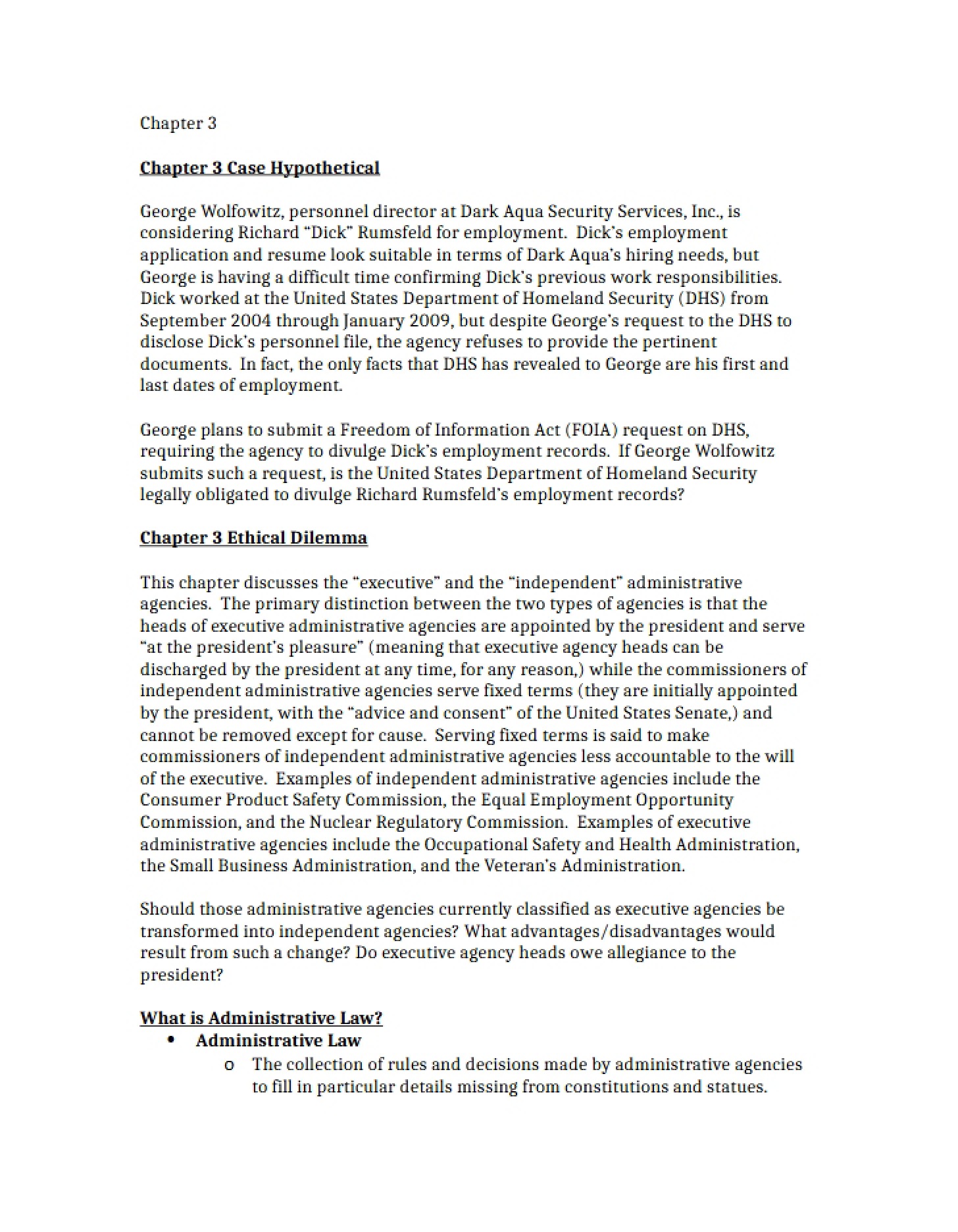
This resource is a foundational exploration of Business Ethics and Dynamic Business Law, designed for students in a Business Management of Sports Principles course – specifically SPTE 240 at the University of South Carolina. It delves into the complex interplay between legal requirements and ethical considerations within the business world. The material presents real-world scenarios and hypothetical cases to illustrate key principles, moving beyond simple definitions to encourage critical thinking about responsible business practices. It aims to build a strong understanding of the legal landscape impacting business decisions.
Why This Document Matters
This material is essential for any student pursuing a career in sports management, or any business field, where ethical decision-making and legal compliance are paramount. It’s particularly valuable when you’re beginning to analyze business dilemmas, needing to understand the potential legal ramifications of choices, and wanting to develop a framework for ethical reasoning. Students preparing for case studies, class discussions, or projects involving business strategy will find this a helpful starting point for deeper analysis. It’s ideal for those seeking to understand the ‘why’ behind business laws, not just the ‘what’.
Common Limitations or Challenges
This resource focuses on fundamental concepts and illustrative examples. It does *not* provide exhaustive coverage of every legal nuance or ethical theory. It will not offer specific legal advice or definitive answers to complex ethical dilemmas – those require detailed analysis and often depend on specific circumstances. Furthermore, it doesn’t include current updates to legislation; laws are constantly evolving. It’s designed to be a building block for further study, not a complete legal or ethical reference.
What This Document Provides
* Exploration of ethical dilemmas faced by business professionals.
* Case studies presenting realistic business scenarios requiring ethical and legal consideration.
* Discussion of the relationship between legal obligations and ethical responsibilities.
* Introduction to concepts related to criminal law and potential code standardization.
* Examination of challenges related to hiring practices and background checks.
* A framework for analyzing the “spirit” versus the “letter” of the law.