What This Document Is
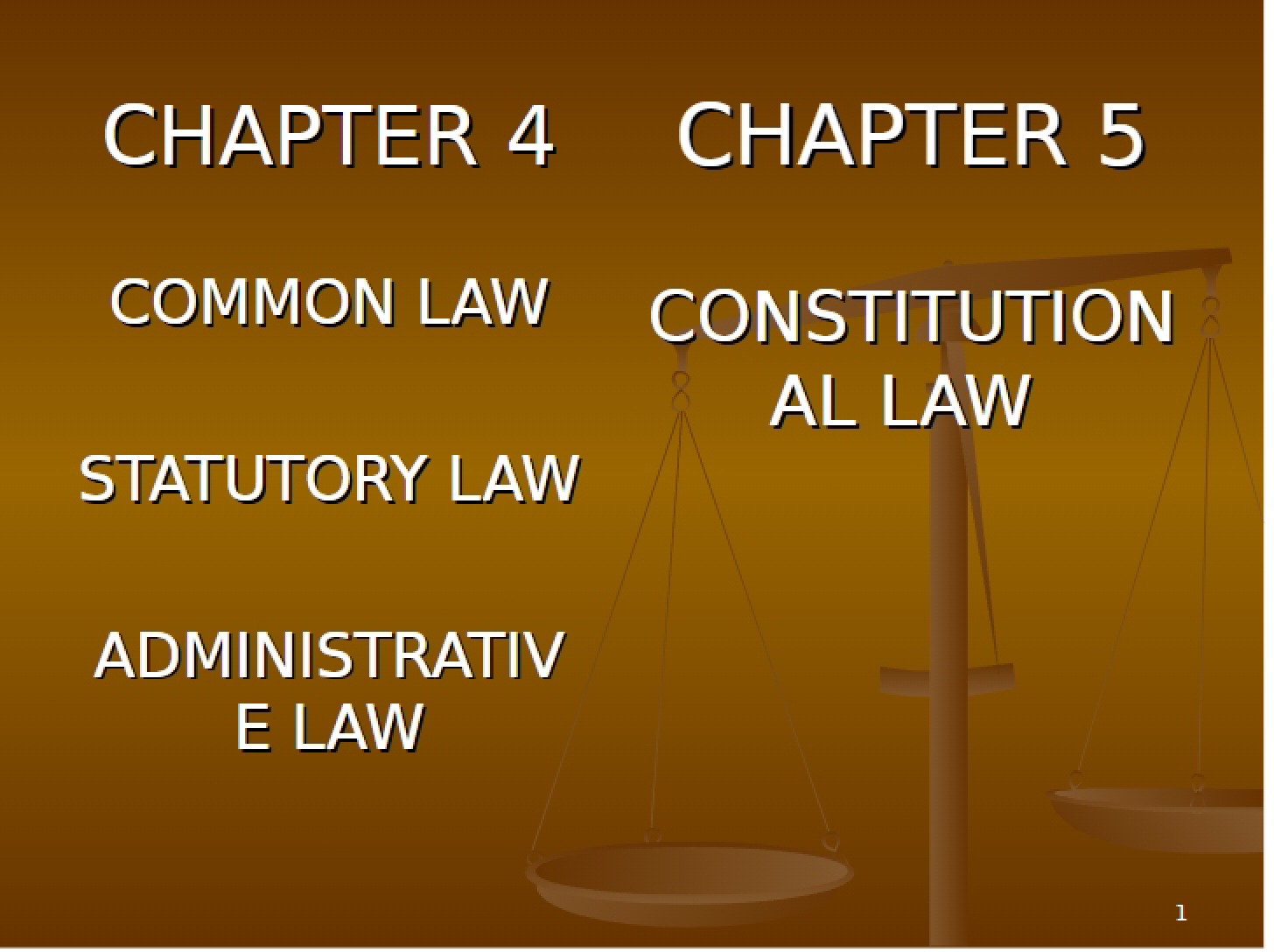
This resource is a presentation supporting coursework in the Legal Environment of Business (LAW 3000) at Wright State University, specifically covering material from Chapters 4 and 5, Section 3, Presentation 2. It provides a foundational overview of the primary sources of law in the United States and introduces the structure of the court systems. The material focuses on the hierarchy and interplay between different legal authorities and how laws are created and interpreted. It also delves into the role of administrative agencies in shaping the legal landscape for businesses.
Why This Document Matters
Students enrolled in business law, legal studies, or related fields will find this particularly useful. It’s ideal for those seeking to grasp the fundamental building blocks of the American legal system *before* diving into more complex case studies or specific areas of law. Professionals needing a refresher on the origins and structure of law, such as those in management or compliance roles, may also benefit. Understanding these core concepts is crucial for analyzing legal risks and making informed business decisions. Access to the full resource will provide a deeper understanding needed for success in your coursework.
Common Limitations or Challenges
This presentation offers a broad overview and does not provide exhaustive detail on any single legal topic. It does not include detailed case analyses, legal arguments, or specific statutory language. It’s designed as a starting point for learning, not a substitute for comprehensive legal research or advice. Furthermore, it does not offer guidance on applying these legal principles to specific fact patterns or business scenarios.
What This Document Provides
* An exploration of the three primary sources of law.
* A visual representation of the Ohio court system’s structure.
* An overview of the Federal court system’s hierarchy.
* Discussion of the principle of *stare decisis* and its impact on legal precedent.
* An introduction to statutory interpretation and the challenges courts face.
* An examination of administrative law and the powers of federal agencies.
* Classification of different types of administrative agencies.
* An outline of the rulemaking, investigation, and adjudication powers of agencies.
* Discussion of the limitations placed on agency power.