What This Document Is
This resource is a focused exploration of class usage within the C++ programming language, designed for students learning software design principles. It delves into the fundamental concepts behind creating and utilizing classes, building upon core programming knowledge to introduce object-oriented programming techniques. The material draws connections to established C++ resources, offering a comprehensive overview of class implementation.
Why This Document Matters
This guide is invaluable for students enrolled in a Software Design course, particularly those working with C++. It’s most beneficial when you’re beginning to implement more complex programs and need a solid understanding of how to structure code using classes. It will be particularly helpful when tackling assignments that require you to model real-world entities or create reusable code components. Understanding these concepts is crucial for building scalable and maintainable software projects.
Topics Covered
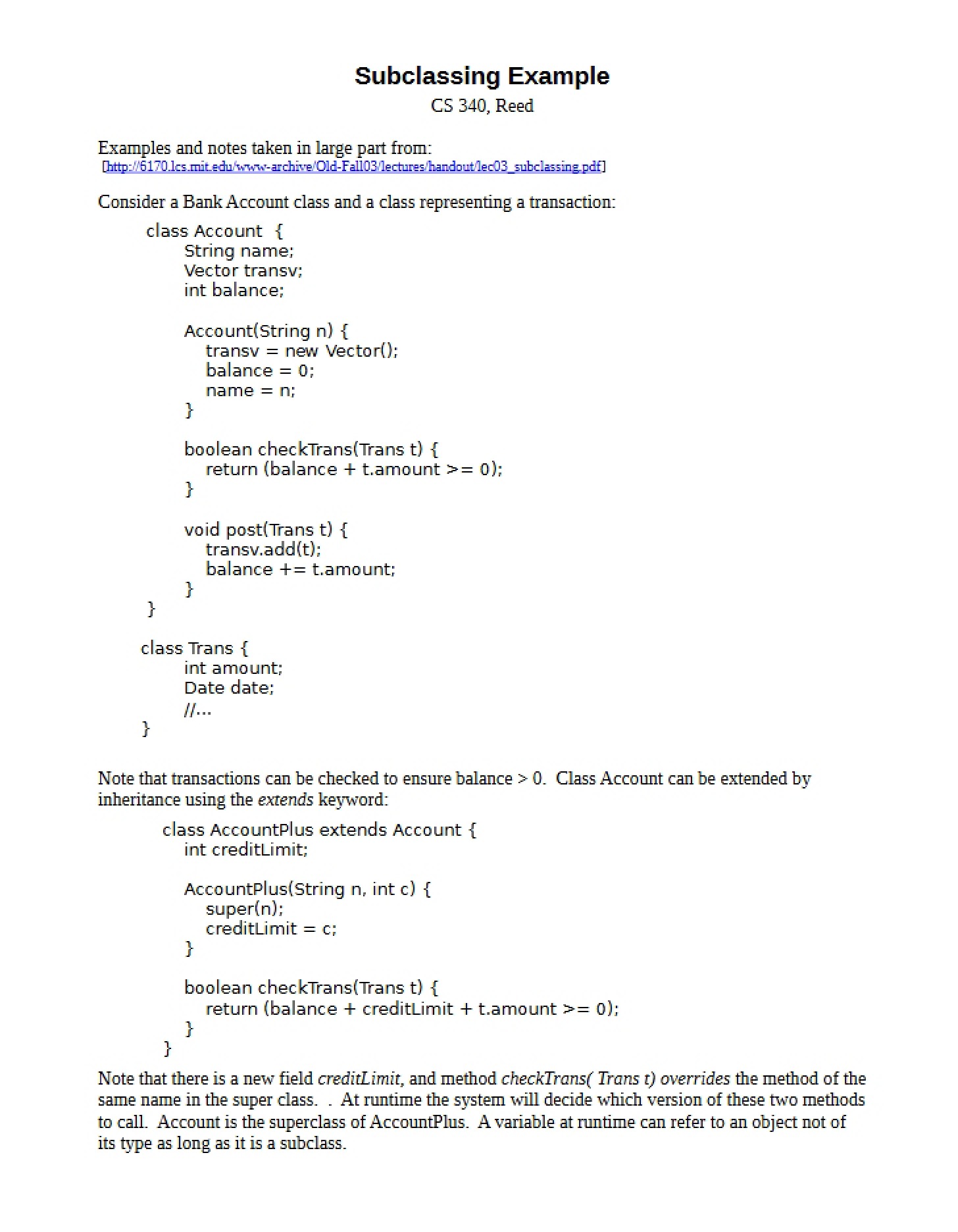
* Class Definition and Structure
* Member Access Control (Public, Private, Protected)
* Class Objects and Instantiation
* Accessor and Mutator Functions
* Constructors and Object Initialization
* Inline vs. Out-of-line Function Definitions
* The relationship between structs and classes
* Defining and utilizing member functions
What This Document Provides
* Detailed explanations of core C++ class concepts.
* Illustrative examples demonstrating class implementation principles.
* A breakdown of access specifiers and their impact on code organization.
* Guidance on defining and utilizing different types of member functions.
* An overview of constructors and their role in object creation.
* Clarification on scoping and the use of the scope resolution operator.
* A foundation for understanding more advanced object-oriented programming concepts.