What This Document Is
This is a comprehensive study guide specifically designed to support students enrolled in Organic Chemistry I (CHEM 30A) at UCLA, focusing on the practical application of extraction and purification techniques. It centers around a laboratory experiment involving a common, naturally occurring organic compound found in tea leaves. The guide bridges theoretical concepts from lecture with hands-on laboratory procedures.
Why This Document Matters
This resource is invaluable for students preparing for, during, and after the caffeine extraction lab. It’s particularly helpful for those who want to maximize their understanding of the principles behind liquid-liquid extraction, purification methods, and spectroscopic analysis. Utilizing this guide will help you approach the lab with a solid foundation and effectively analyze your results. It’s best used *before* beginning the pre-lab assignment, *during* the multi-session lab to ensure thorough observation and data recording, and *after* the lab to aid in report writing and data interpretation.
Topics Covered
* Principles of Liquid-Liquid Extraction
* Partition Coefficients and their impact on extraction efficiency
* Purification Techniques in Organic Chemistry
* Spectroscopic Analysis (UV and Mass Spectrometry) – foundational concepts
* Data Analysis and Interpretation in a Laboratory Setting
* Laboratory Notebook Best Practices & Observation Recording
What This Document Provides
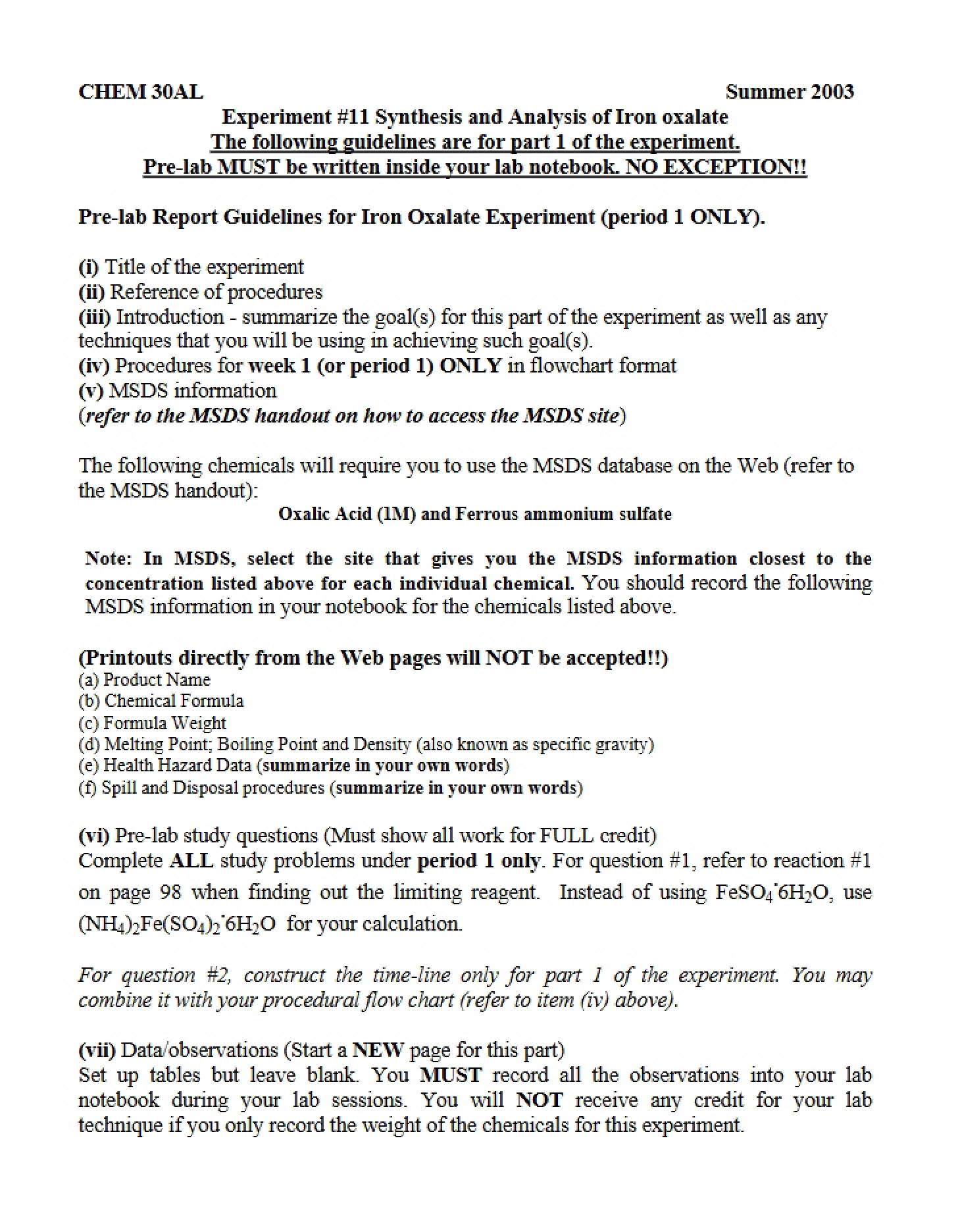
* Detailed pre-lab guidelines to prepare for the experiment, including key concepts to review.
* A framework for organizing your experimental approach, emphasizing a conceptual understanding of the process.
* A series of focused study questions designed to test your understanding of extraction principles and calculations.
* Guidance on setting up data tables for efficient and accurate record-keeping during the lab.
* Post-lab report guidelines, outlining the expected components of a comprehensive analysis of your experimental results.
* Definitions of key terms related to spectroscopic data interpretation.