What This Document Is
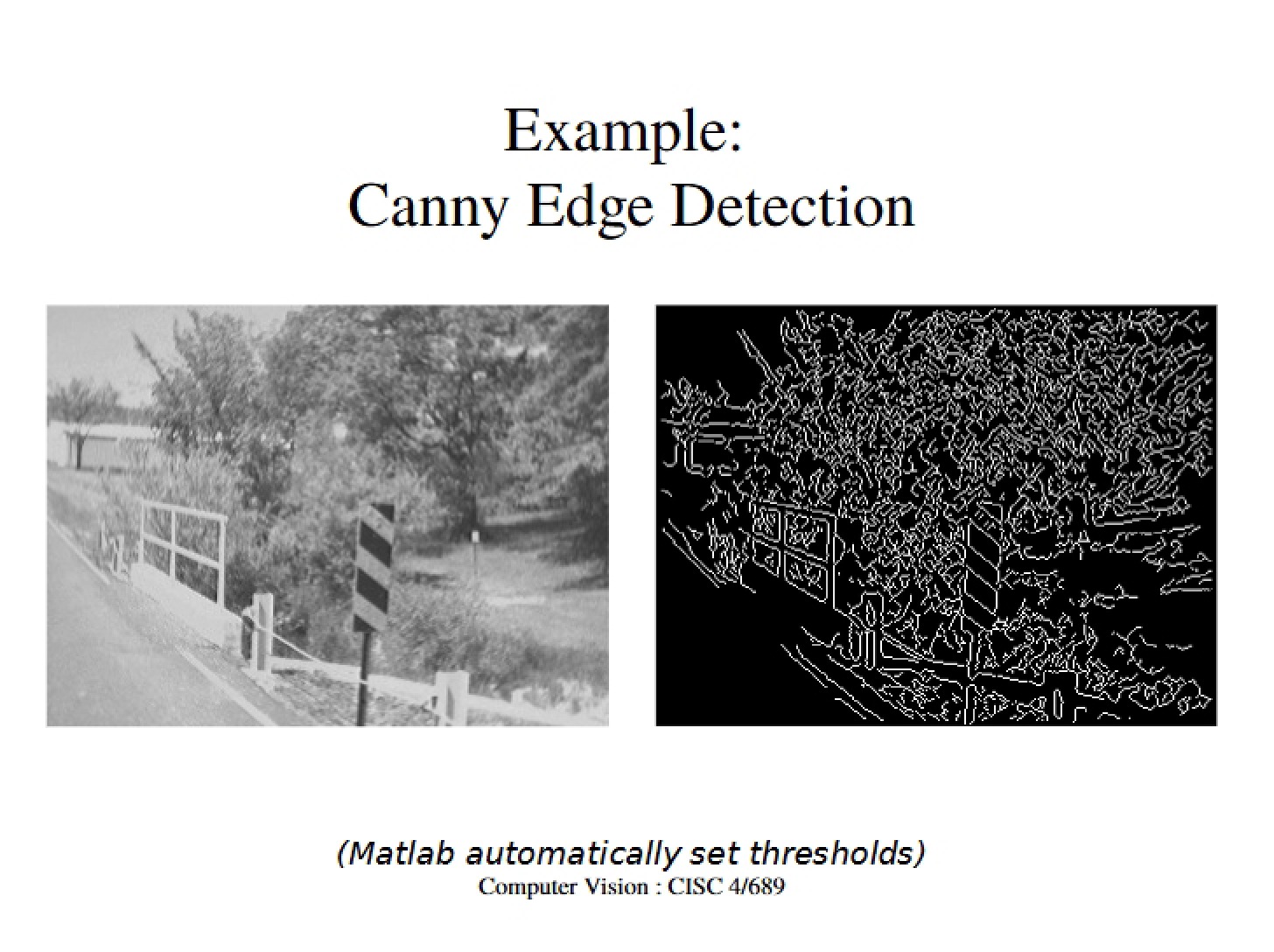
This is a focused instructional resource delving into a fundamental technique within the field of computer vision: edge detection, specifically the Canny method. It’s designed for students and professionals seeking a deeper understanding of how to identify and isolate significant boundaries within images. The material explores the theoretical underpinnings and practical considerations involved in implementing this widely-used algorithm. It builds upon core concepts related to image processing and signal analysis.
Why This Document Matters
This resource is particularly valuable for students enrolled in advanced computer vision or machine learning courses, and for practitioners working on projects involving image analysis, object recognition, or image segmentation. It’s most helpful when you’re looking to move beyond a basic understanding of edge detection and want to grasp the nuances of a robust and effective method. Understanding the Canny method is crucial for building more sophisticated image processing pipelines. Accessing the full content will equip you with the knowledge to critically evaluate and apply this technique in your own work.
Topics Covered
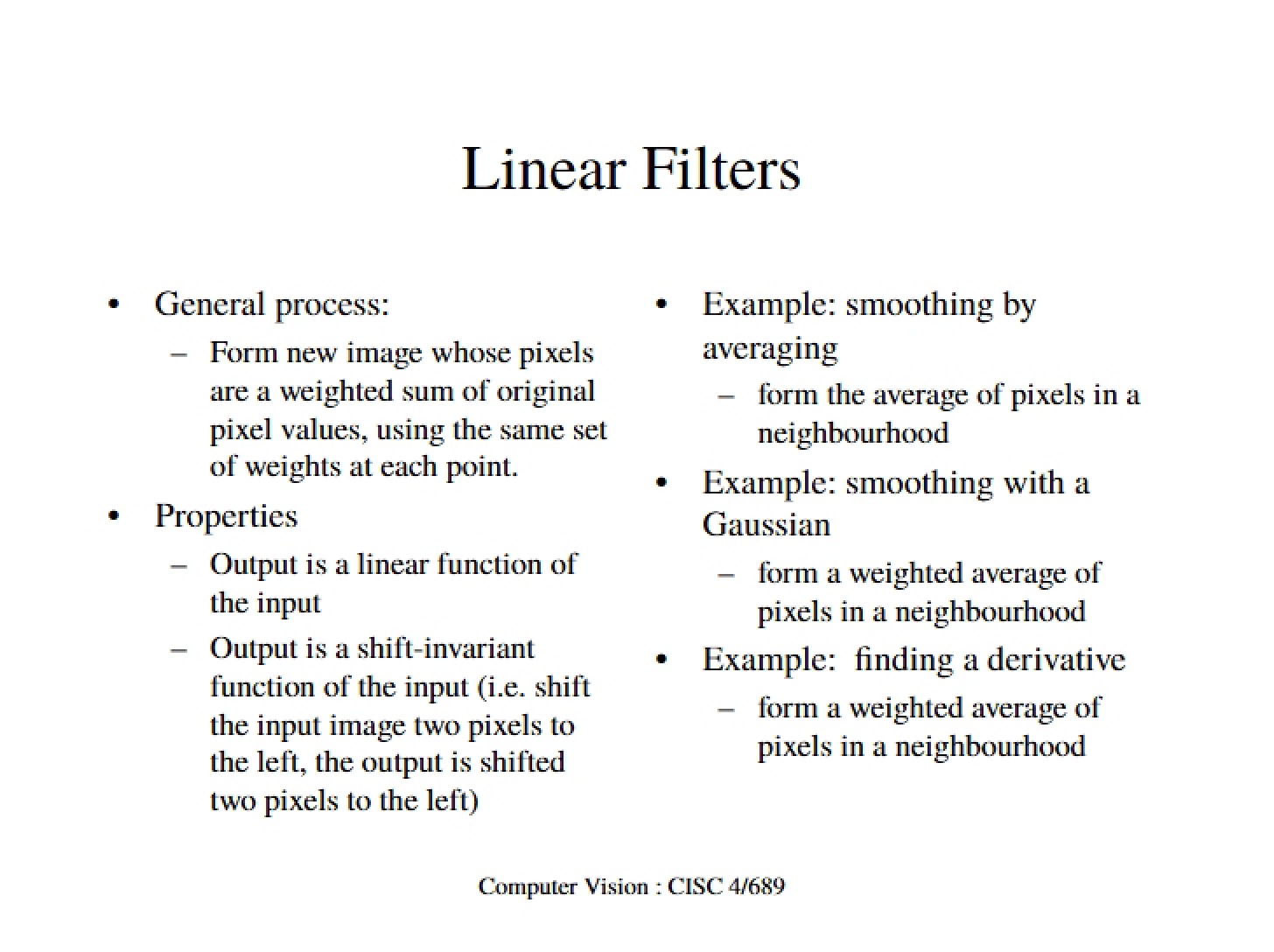
* Gaussian smoothing and its role in noise reduction
* The importance of derivative calculations for edge identification
* Comparison of different edge detection approaches (e.g., Marr-Hildreth)
* The concept of image pyramids and their application to efficient image processing
* Gaussian and Laplacian pyramids – construction and use
* Considerations for selecting optimal parameters for edge detection
* Computational efficiency and trade-offs in edge detection algorithms
What This Document Provides
* A detailed exploration of the mathematical foundations of the Canny edge detection method.
* Discussions on the relationship between filter size and image scale.
* Insights into the advantages and disadvantages of different edge detection techniques.
* Explanations of how image pyramids can be used to improve the performance of edge detection algorithms.
* A comparative analysis of different approaches to image representation and processing.
* Conceptual understanding of how to reconstruct images from pyramid representations.