What This Document Is
This comprehensive study guide supports students enrolled in Science of Human Nutrition (HUMNNTR 2210) at The Ohio State University. Specifically, it focuses on the critical role of carbohydrates within the human body, as detailed in Chapter 5 of the course materials. It’s designed to aid in understanding complex biochemical processes and nutritional concepts related to this essential macronutrient. This guide also begins to bridge into the next major topic: lipids, with a brief introduction to lipoprotein types.
Why This Document Matters
This resource is ideal for students preparing for assessments, reviewing lecture material, or seeking a deeper understanding of carbohydrate metabolism and its impact on health. It’s particularly useful when you need a consolidated overview of key concepts and their interrelationships. Students who utilize this guide will be better equipped to analyze dietary choices and their physiological consequences. It’s a valuable tool for anyone aiming to excel in this course and build a strong foundation in human nutrition.
Topics Covered
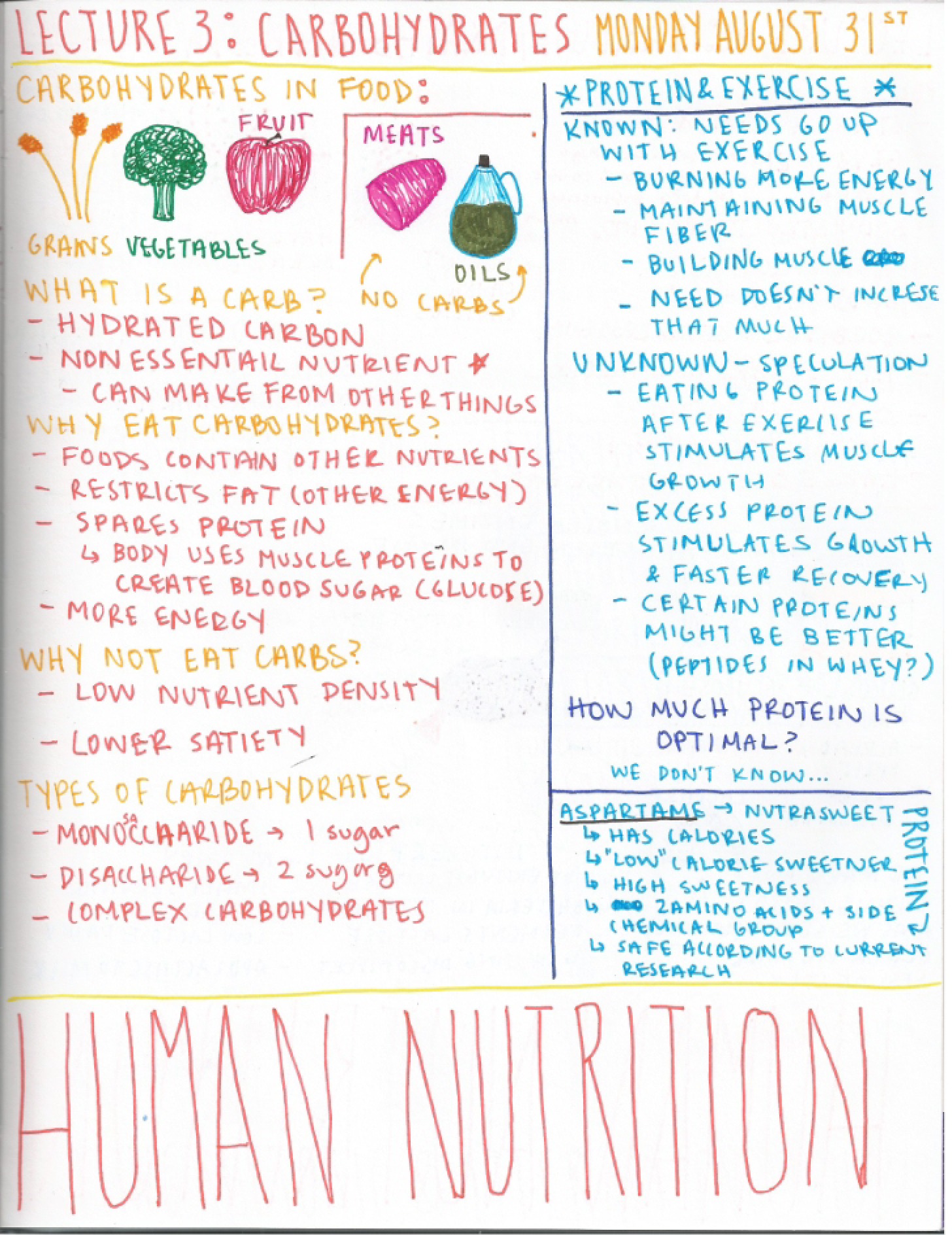
* The characteristics and classifications of various carbohydrates, including simple sugars and complex polysaccharides.
* The role of dietary fiber – both soluble and insoluble – and its impact on digestive health.
* The implications of specific sweeteners, including artificial options, and their effects on individuals with particular metabolic conditions.
* The concept of protein sparing and how carbohydrate intake influences protein utilization.
* The effects of high-fiber diets on overall health and potential considerations for optimal intake.
* An introduction to oligosaccharides and polysaccharides, including starch and glycogen.
* Carbohydrate storage mechanisms within the body and their connection to energy production.
* An initial overview of lipoprotein structures and functions.
What This Document Provides
* A structured framework for understanding the functions of carbohydrates in the body.
* Detailed exploration of different types of carbohydrates and their unique properties.
* Insights into the relationship between carbohydrate intake and various physiological processes.
* A foundation for understanding the impact of dietary choices on metabolic health.
* A starting point for exploring the world of lipids and their transport mechanisms.
* Key terminology and concepts essential for success in the course.