What This Document Is
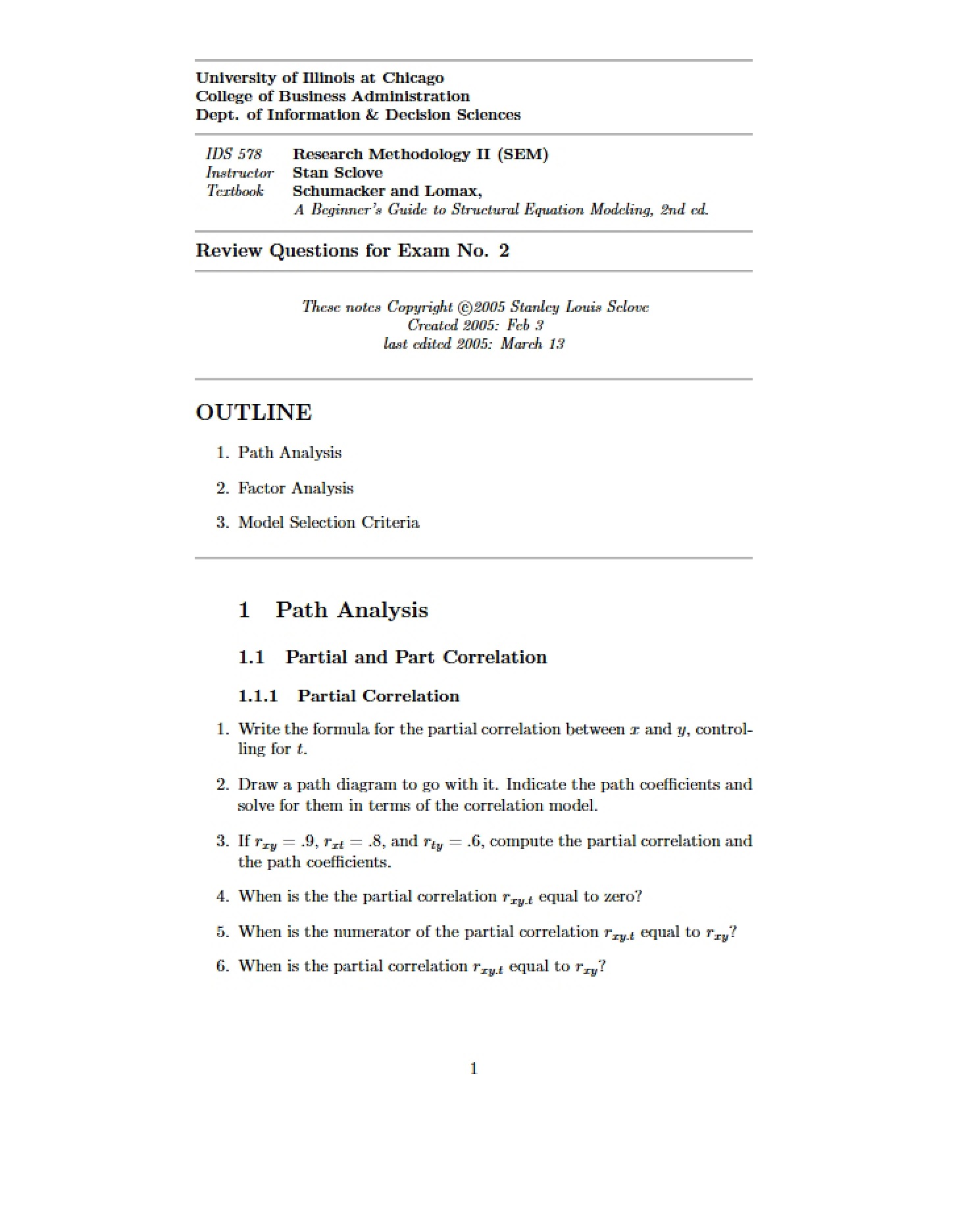
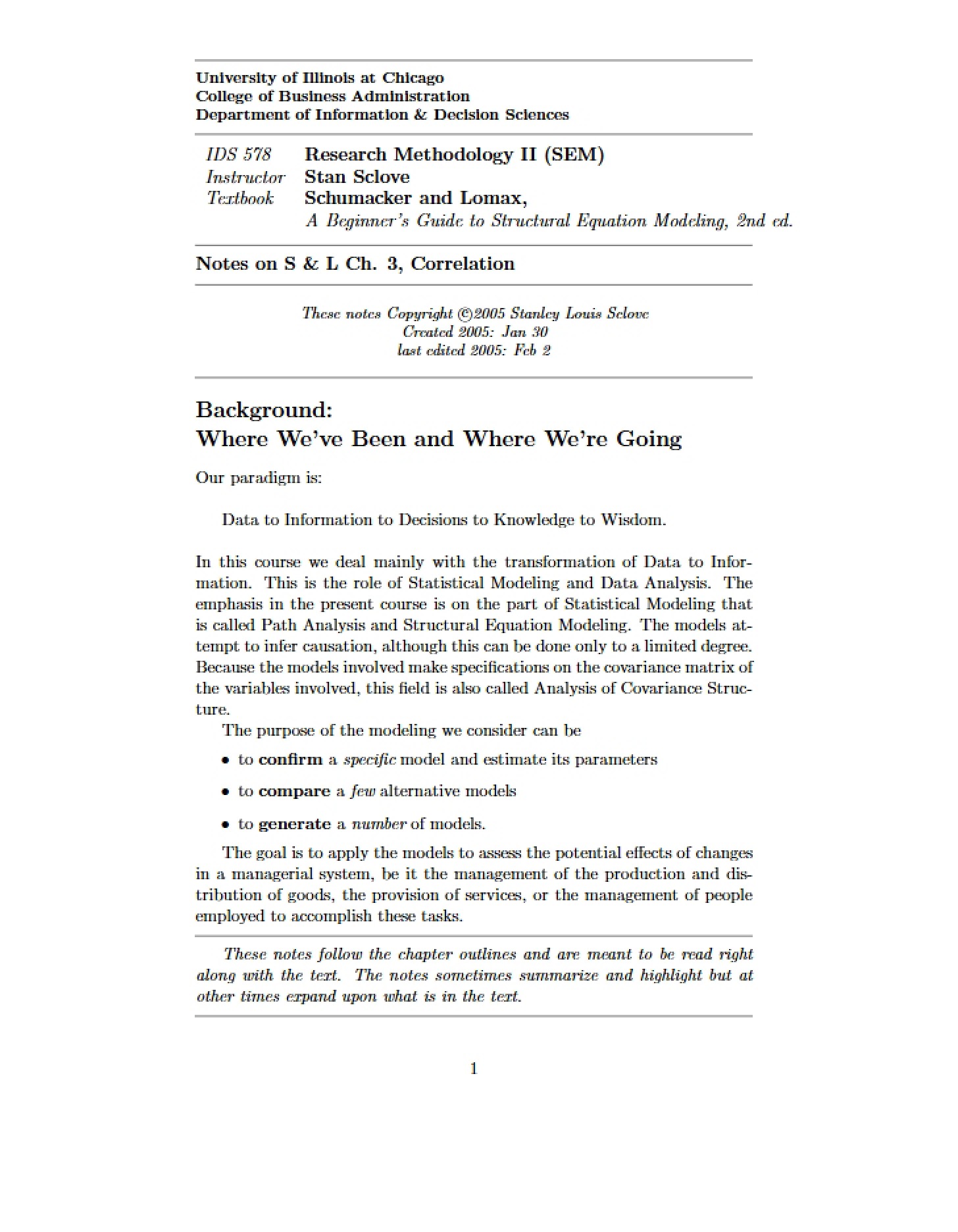
This document presents a detailed case study exploring the application of advanced statistical modeling techniques – specifically, Structural Equation Modeling (SEM) – within a real-world business context. It centers around an analysis conducted at Sears, Roebuck & Company, and builds upon foundational concepts in research methodology. The material is designed for students engaged in advanced coursework focused on quantitative research methods and data analysis.
Why This Document Matters
This resource is particularly valuable for students in research methodology courses who are seeking to understand how complex relationships between variables can be investigated and modeled. It’s ideal for those preparing to conduct their own research projects involving multiple interconnected factors, or those aiming to critically evaluate research utilizing SEM. Understanding the principles outlined here will enhance your ability to translate theoretical frameworks into testable models and interpret the results of sophisticated statistical analyses.
Topics Covered
* The core principles of Structural Equation Modeling (SEM)
* Distinction between observed variables and latent constructs
* Path analysis and its role in understanding causal relationships
* The measurement and structural model components of SEM
* Application of SEM to business challenges, specifically within a retail environment
* Modeling strategies for incorporating multiple dependent and independent variables
* The relationship between employee satisfaction, customer satisfaction, and financial performance
What This Document Provides
* A detailed overview of key terminology used in SEM, including endogenous and exogenous variables.
* An illustrative example of SEM application using a scenario from HATCO.
* A focused case study of a modeling effort undertaken at Sears, Roebuck & Company.
* Discussion of how SEM can be used to develop predictive models.
* References to relevant academic literature for further exploration.