What This Document Is
This study guide provides a focused overview of the central dogma of molecular biology, specifically concentrating on the process of DNA replication. Created from lecture notes for a BSCI 105 course at UCLA, it’s designed to support understanding of core principles in genetics and molecular biology. It delves into the structural differences between genetic material in prokaryotic and eukaryotic cells as a foundation for understanding replication complexities.
Why This Document Matters
This resource is ideal for students enrolled in introductory biology or genetics courses, particularly those seeking to solidify their understanding of DNA replication. It’s most beneficial when used as a companion to lectures, textbooks, or lab work on molecular biology. Students preparing for quizzes or exams on these topics will find it a valuable review tool. Understanding DNA replication is fundamental to grasping broader biological concepts like gene expression, inheritance, and cellular function.
Topics Covered
* Chromosome structure in prokaryotic and eukaryotic organisms
* The foundational principles of DNA replication as proposed by the Watson-Crick model
* The concept of semi-conservative replication and its implications
* The essential components required for DNA replication
* The initiation of DNA replication at origins of replication
* The roles of key enzymes involved in strand separation and unwinding
What This Document Provides
* A comparative overview of chromosome organization in different cell types.
* An exploration of the mechanisms underlying DNA replication.
* Identification of the critical enzymatic players involved in the replication process.
* Discussion of the initial steps required to begin DNA replication.
* Key terminology related to DNA structure and replication.
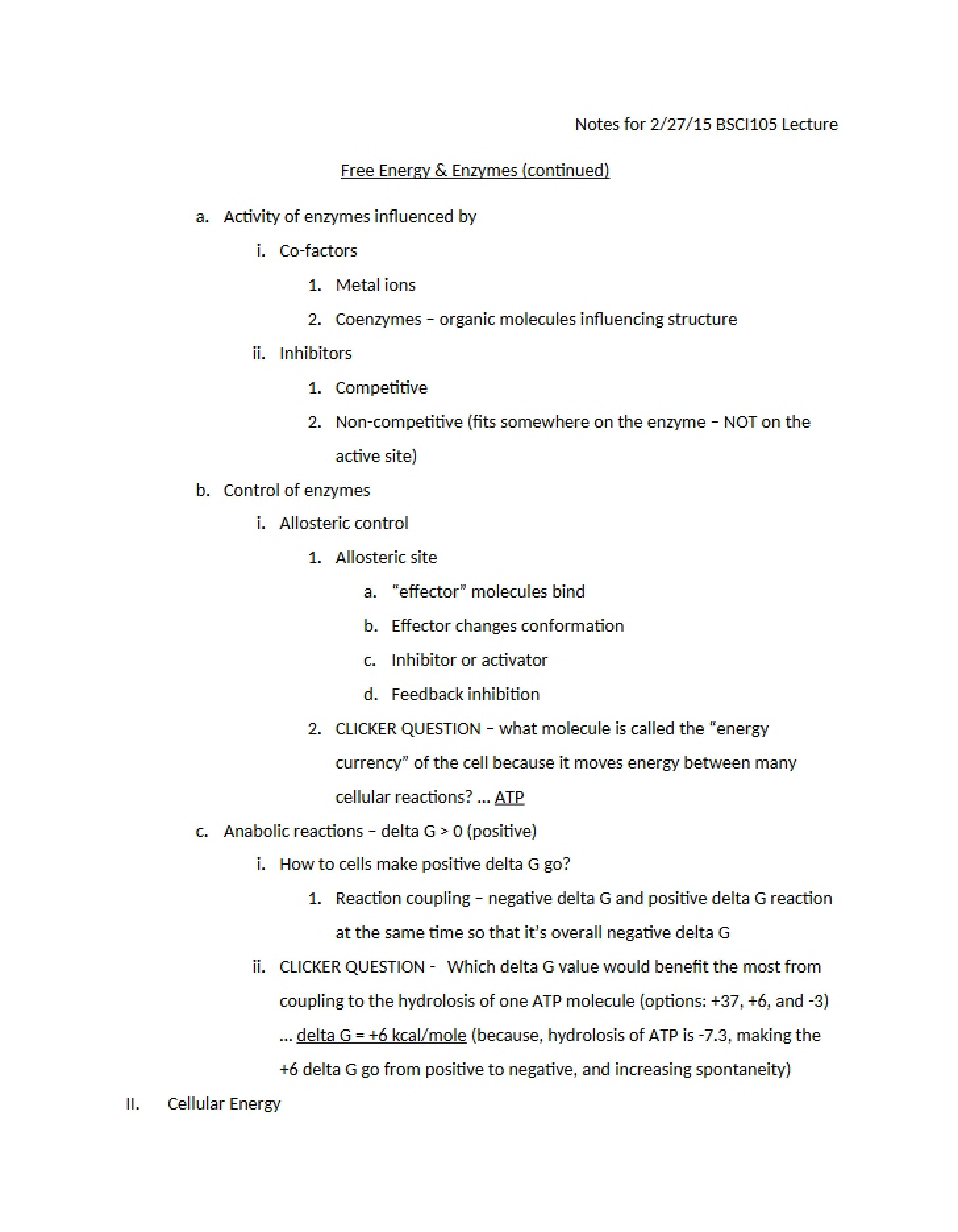
* References to interactive learning elements, such as clicker questions, used during the original lecture.