What This Document Is
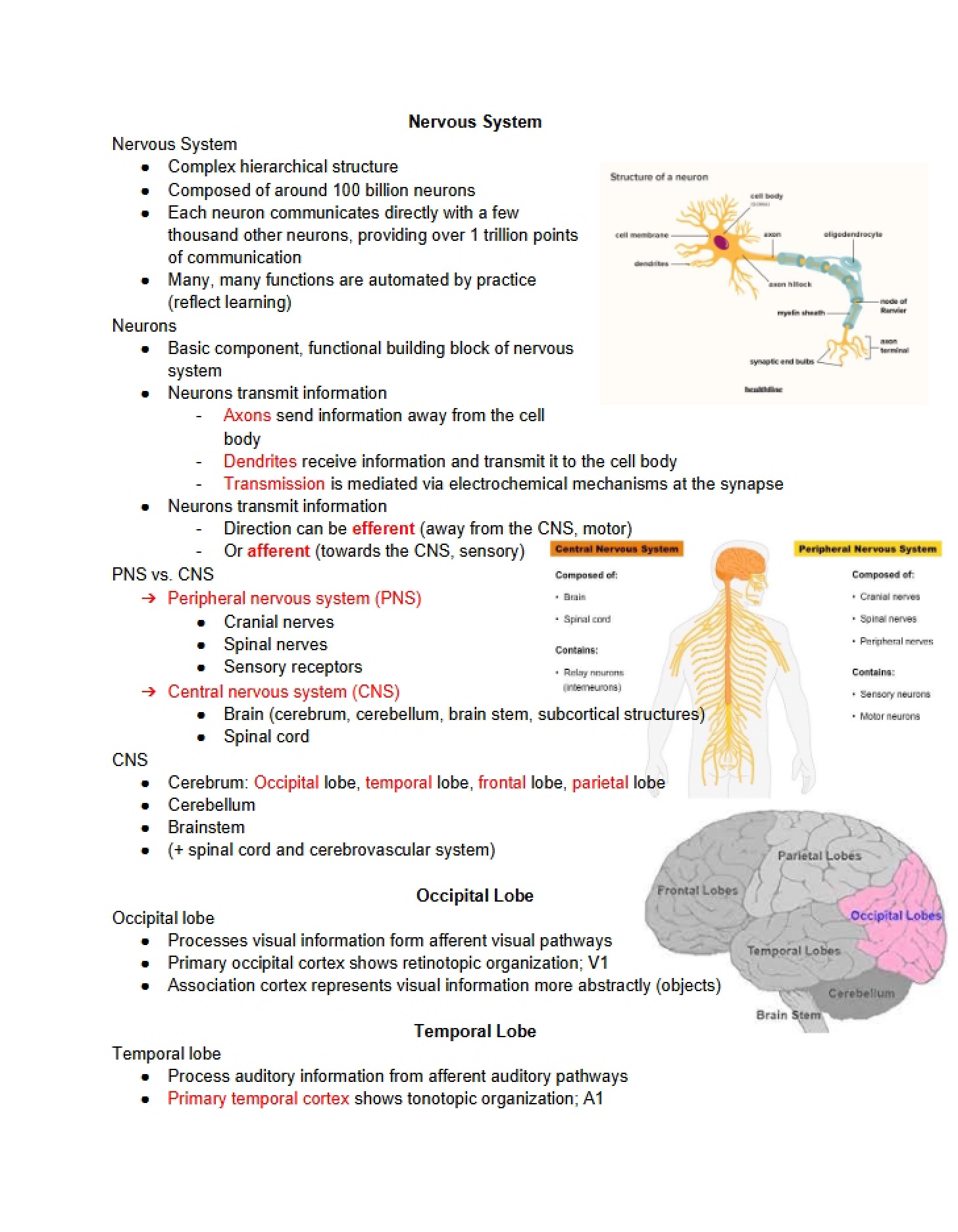
This study guide provides a focused exploration of the cerebrum, the most highly evolved structure within the human brain. It’s designed for students in Anatomy & Physiology of Speech, Hearing, and Swallowing (SLHS 2203) at the University of Connecticut, offering a detailed overview of its organization and functional components. The guide delves into the specific roles of different cerebral regions in relation to communication processes.
Why This Document Matters
This resource is invaluable for students seeking a deeper understanding of the neurological foundations of speech, hearing, and swallowing. It’s particularly helpful when studying the central nervous system’s role in these functions, preparing for exams, or reinforcing concepts presented in lectures. Individuals aiming to connect neuroanatomy with clinical applications in communication sciences will find this guide especially beneficial. Accessing the full content will unlock a comprehensive resource for mastering this complex topic.
Topics Covered
* Lobes of the Cerebrum: Organization and primary functions
* The Temporal Lobe: Auditory processing and memory functions
* The Frontal Lobe: Motor control, executive functions, and speech involvement
* The Parietal Lobe: Sensory integration and perception
* Cortical Homunculi: Representation of the body within the cerebral cortex
* Language Centers: Key areas involved in speech and language
* Aphasia: Types and associated neurological deficits
What This Document Provides
* Detailed descriptions of the major lobes of the cerebrum and their respective functions.
* An overview of the primary cortical areas within each lobe.
* Exploration of the relationship between specific brain regions and communication abilities.
* Discussion of how damage to different areas of the cerebrum can manifest as communication disorders.
* A foundational understanding of key neurological structures involved in language processing.