What This Document Is
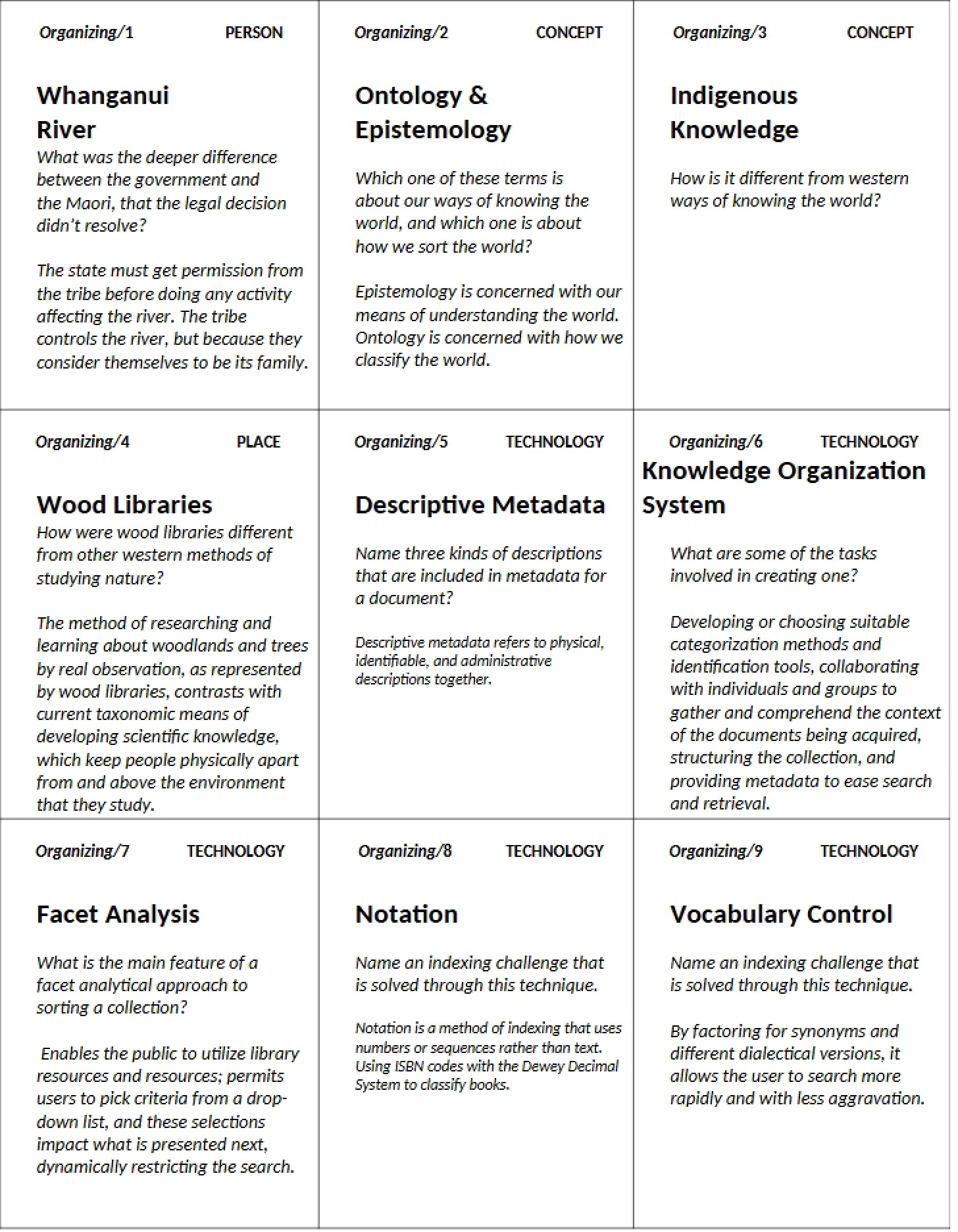
This study guide, Chapter 02 from GGIS 101 at the University of Illinois at Urbana-Champaign, delves into the historical foundations of information organization and access. It explores the evolution of systems and methods used to classify, catalog, and retrieve information across cultures and throughout history. The material examines pivotal figures and technological advancements that have shaped the field of information science, moving from ancient libraries to early modern systems and beyond. It’s a focused look at the *principles* behind how knowledge has been structured and made accessible.
Why This Document Matters
This chapter is crucial for students in Global Development & Environment, and related fields, who need to understand how information itself is a key component of societal progress and cultural preservation. It’s particularly helpful when studying the historical context of data management, archival practices, and the challenges of knowledge dissemination. Students preparing for coursework involving research methodologies, library science, or the history of science will find this material exceptionally valuable. It’s best used as a foundational resource *before* tackling more complex topics in information architecture or data studies.
Common Limitations or Challenges
This chapter provides a historical overview and conceptual framework. It does not offer practical, step-by-step instructions for implementing any specific classification system. It also doesn’t focus on contemporary digital information management techniques, but rather on the roots of those techniques. While it touches upon individuals and their contributions, it doesn’t provide exhaustive biographical details. It’s designed to build understanding of *why* things are done a certain way, not *how* to do them.
What This Document Provides
* Exploration of early library systems and their organizational challenges.
* Profiles of key historical figures who influenced information science.
* Analysis of the development of various classification technologies.
* Discussion of the conceptual underpinnings of information retrieval.
* Insights into the cultural and societal contexts of information management.
* Examination of the strengths and weaknesses of different historical approaches.
* Context for understanding the evolution of modern library and information practices.