What This Document Is
This document represents Chapter 1 of course materials for ME 350: Design for Manufacturability, offered at the University of Illinois at Urbana-Champaign. It serves as an introductory overview to the core principles and practical considerations involved in designing products with efficient manufacturing processes in mind. The chapter begins with essential course logistics and then transitions into foundational concepts related to bringing a product from initial idea to physical realization.
Why This Document Matters
This material is crucial for mechanical engineering students, particularly those interested in product development, manufacturing engineering, or design roles. It’s most beneficial at the *start* of the course, providing a necessary framework for understanding subsequent lectures, labs, and projects. Students preparing for design reviews, or those seeking to optimize designs for cost-effectiveness and scalability, will find the overarching themes presented here particularly valuable. Understanding these introductory concepts will set you up for success in applying design principles to real-world manufacturing scenarios.
Common Limitations or Challenges
This chapter provides a high-level introduction and does *not* offer detailed, step-by-step instructions for specific manufacturing processes. It won’t teach you how to use CAD software or operate rapid prototyping equipment directly. It also doesn’t contain complete project solutions or detailed case studies. The content focuses on establishing the *why* behind Design for Manufacturability, rather than the *how* – those specifics are developed throughout the remainder of the course.
What This Document Provides
* An overview of course structure, expectations, and resources.
* Initial discussion of team-based project work and associated timelines.
* Exploration of resources for generating product ideas and inspiration.
* Preliminary considerations for evaluating the feasibility of product concepts.
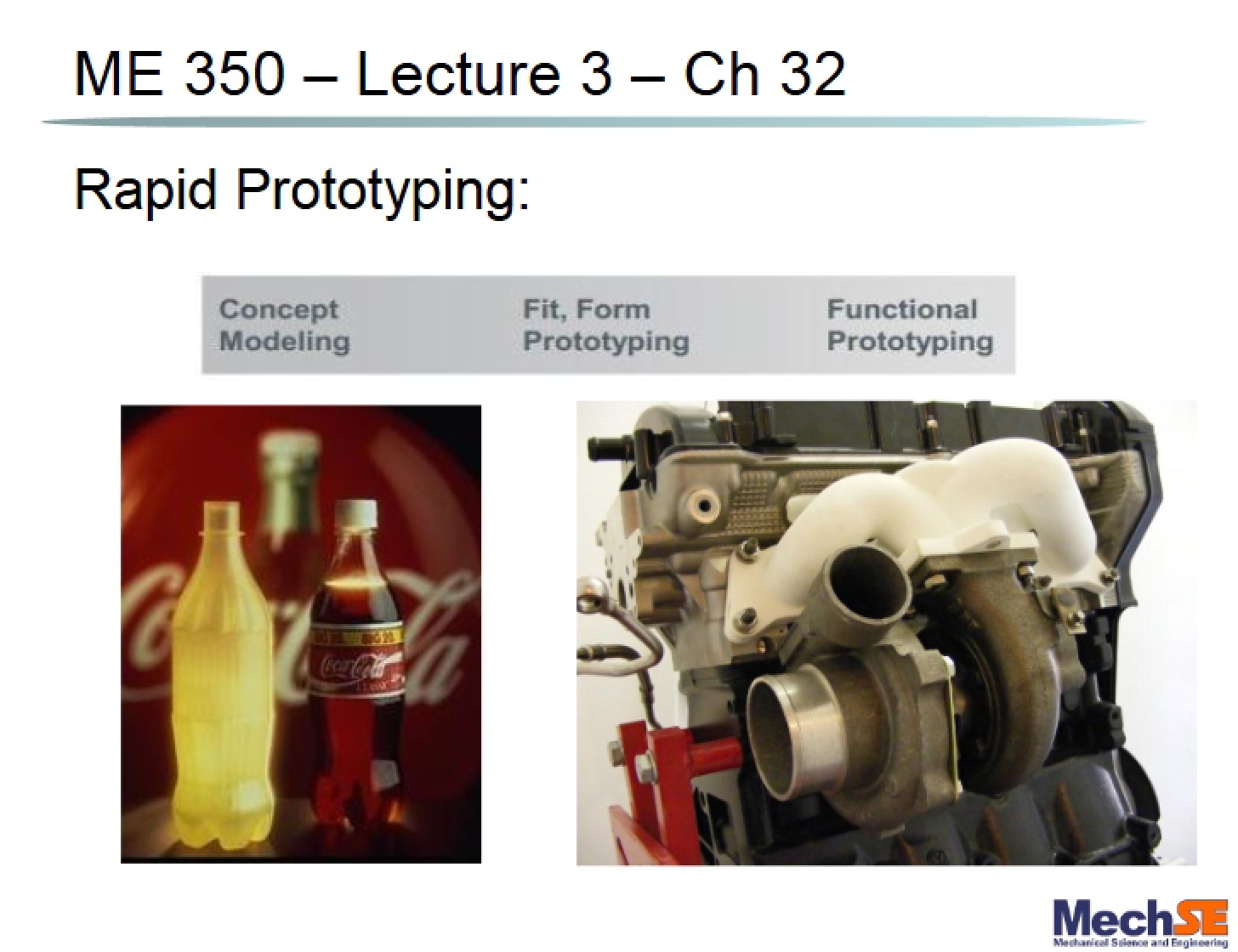
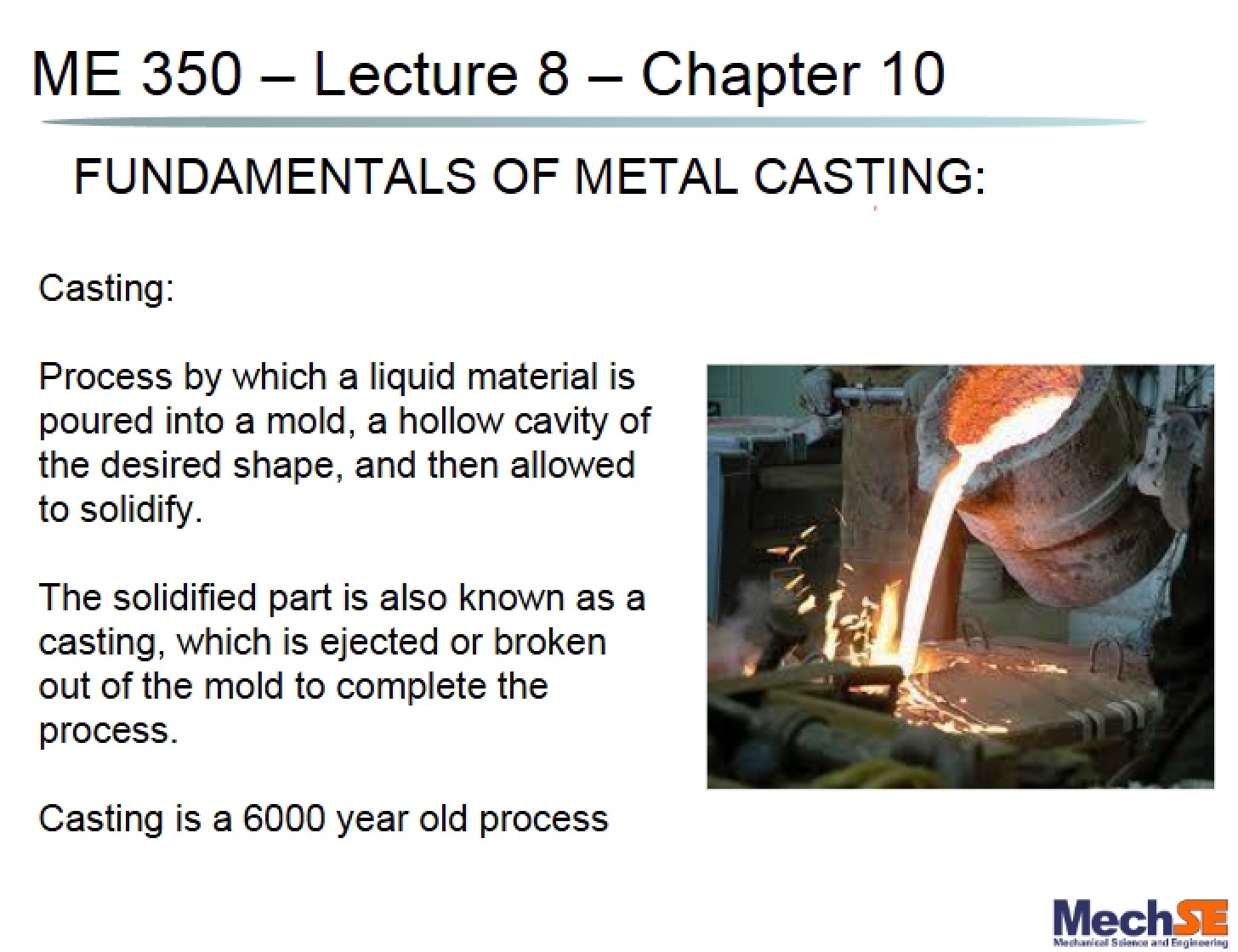
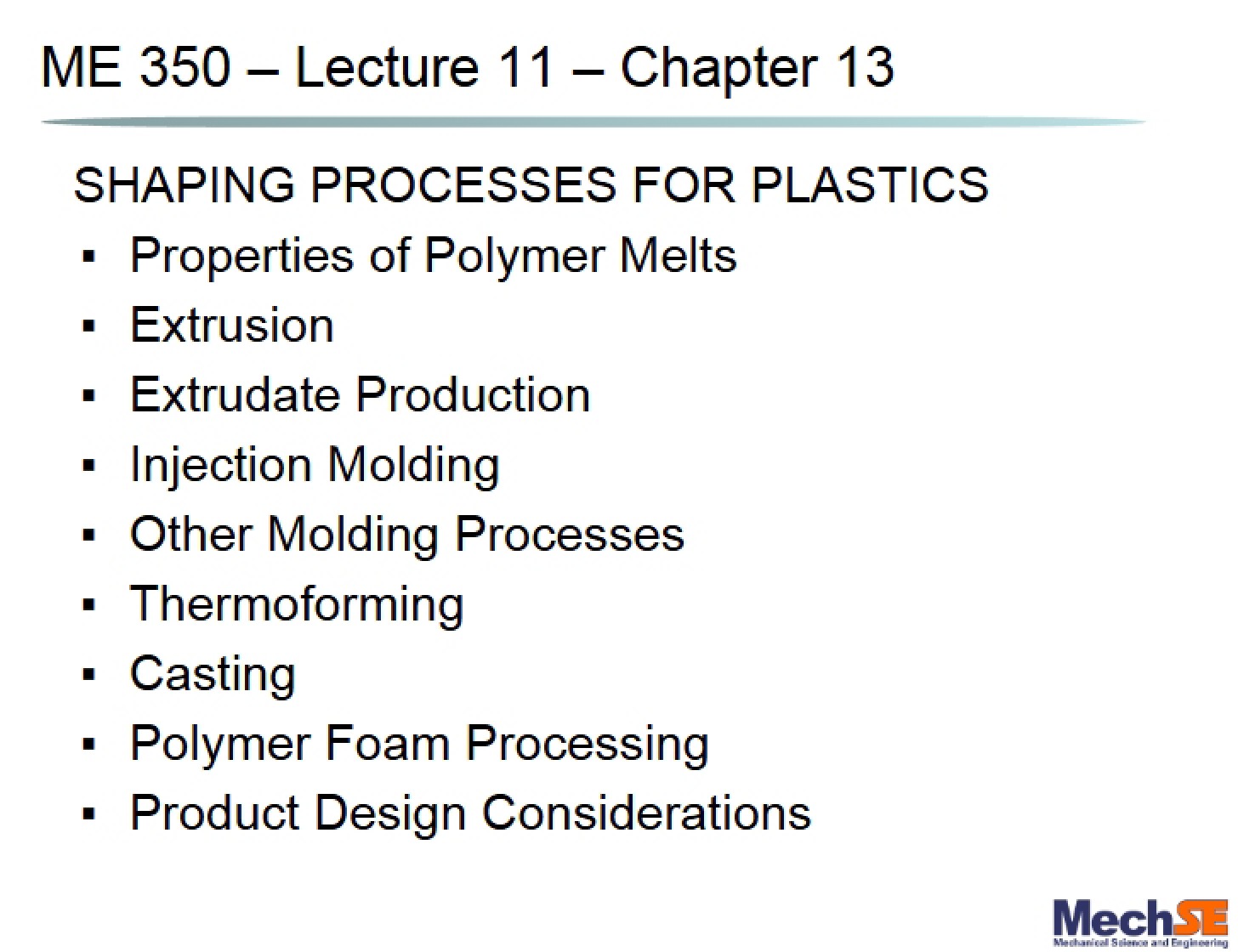
* Introduction to the interplay between design choices and manufacturing methods like rapid prototyping, sand casting, CNC milling, and injection molding.
* Foundational terminology related to manufacturing constraints, such as draft angles.
* A visual overview of the ProEngineer CAD interface.