What This Document Is
This document is a chapter excerpt focusing on the multifaceted topic of stress, specifically tailored for students in a Physical Education and Health (PHED) course at the University of Southern California. It delves into the nature of stress, exploring its various forms and impacts on overall well-being. The material presents a foundational understanding of stress as a physiological and psychological phenomenon, relevant not just to athletic performance but to navigating the demands of college life and beyond.
Why This Document Matters
This resource is invaluable for any student seeking to understand the role of stress in their lives. It’s particularly helpful for those enrolled in PHED 150 – Table Tennis – as it provides a framework for recognizing how stress impacts focus, performance, and recovery. Beyond the course, the concepts discussed are broadly applicable to managing the pressures of academics, relationships, and personal growth. Students facing challenges with time management, emotional regulation, or overall wellness will find this chapter a useful starting point for self-reflection and proactive strategies.
Common Limitations or Challenges
This excerpt provides a theoretical overview of stress and its components. It does *not* offer personalized stress-reduction techniques, detailed case studies, or specific exercises for managing stress. It also doesn’t cover advanced topics like the neurological basis of stress responses or clinical interventions for severe stress disorders. This chapter serves as an introductory foundation, and further exploration may be needed for in-depth understanding and practical application.
What This Document Provides
* An exploration of the definition of stress and its core components.
* A categorization of different types of stress, including both beneficial and detrimental forms.
* Discussion of the relationship between stress levels and overall performance.
* An introduction to the concept of holistic health and its connection to stress management.
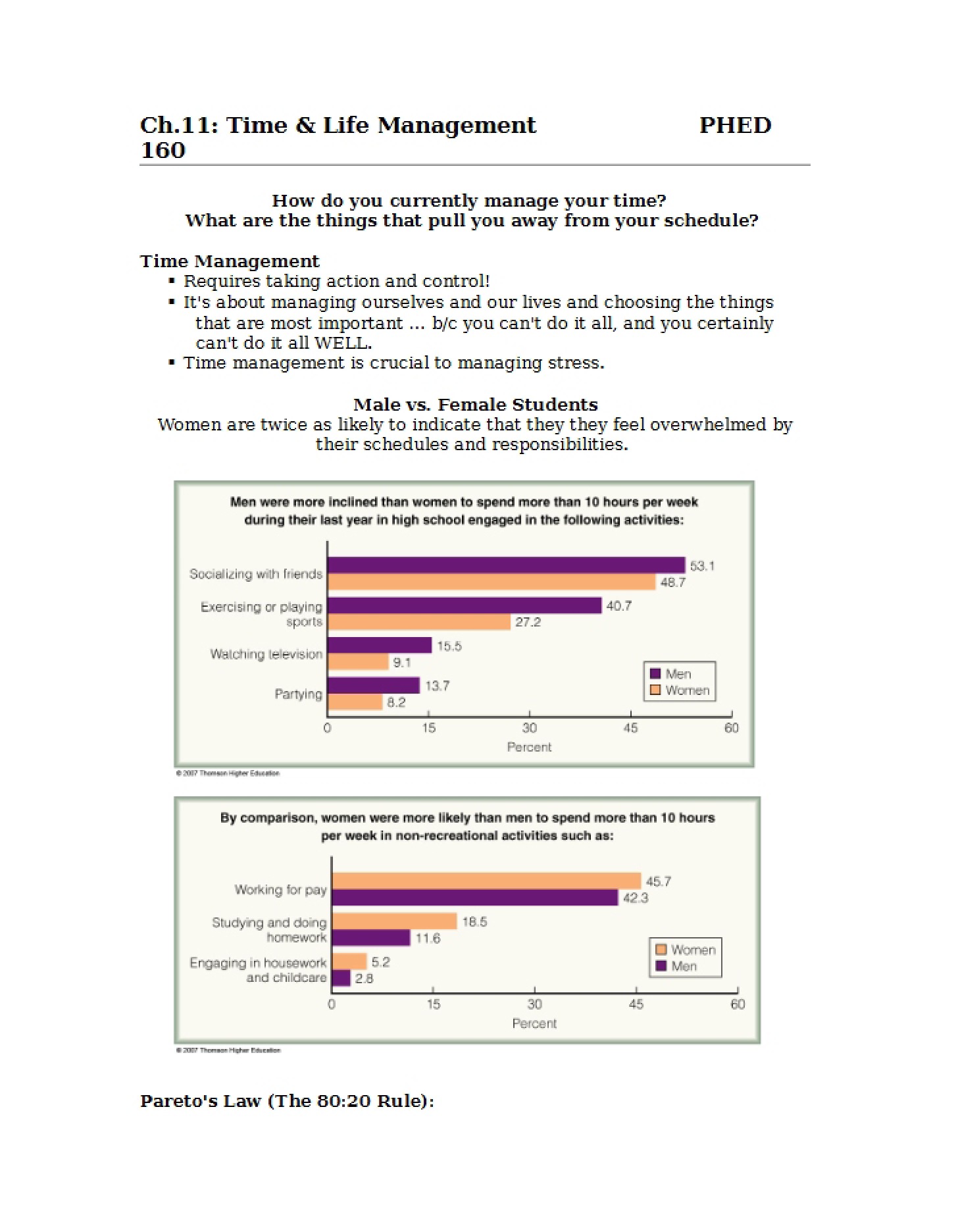
* Identification of common sources of stress experienced by students.
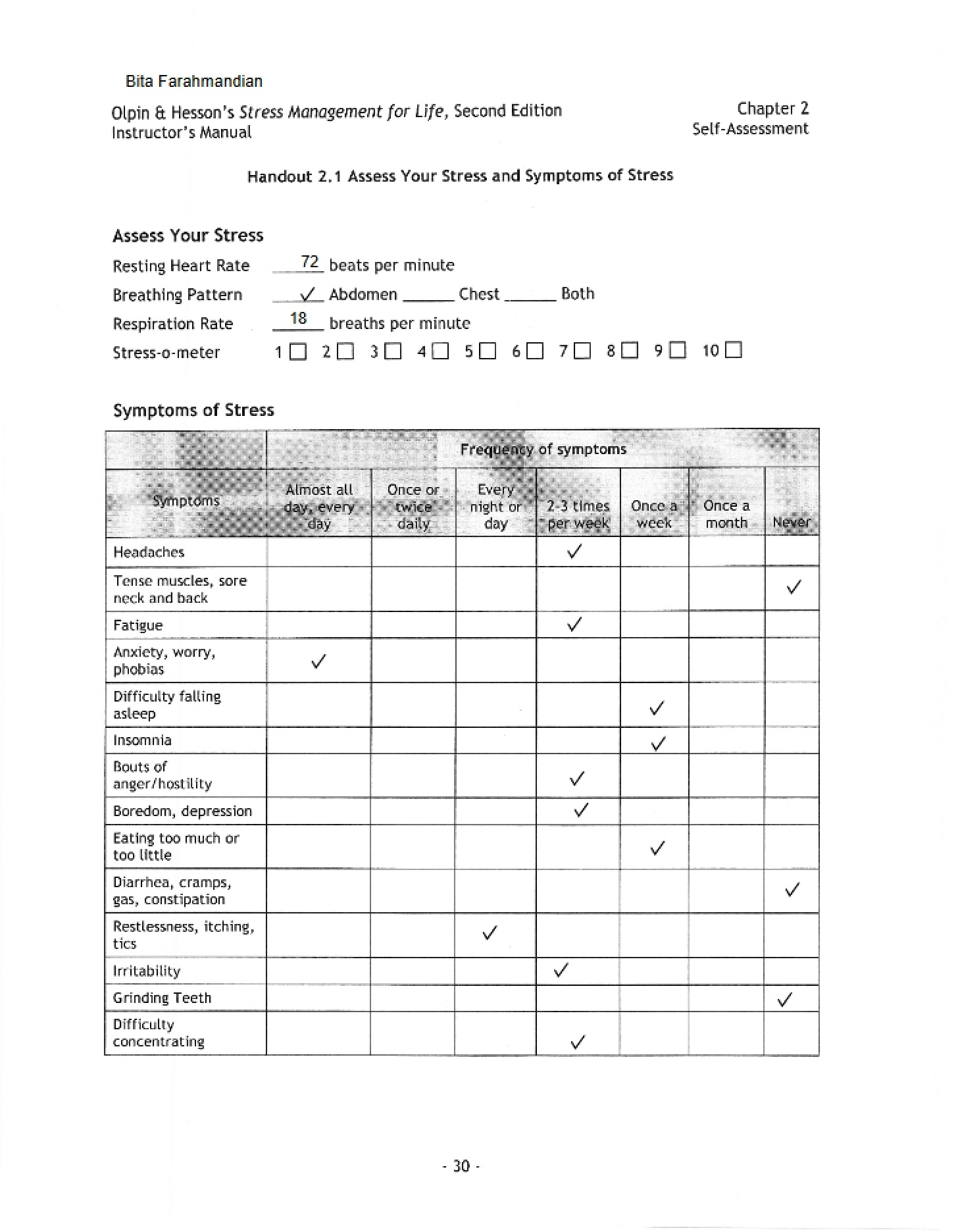
* A checklist for self-assessment related to various dimensions of well-being.