What This Document Is
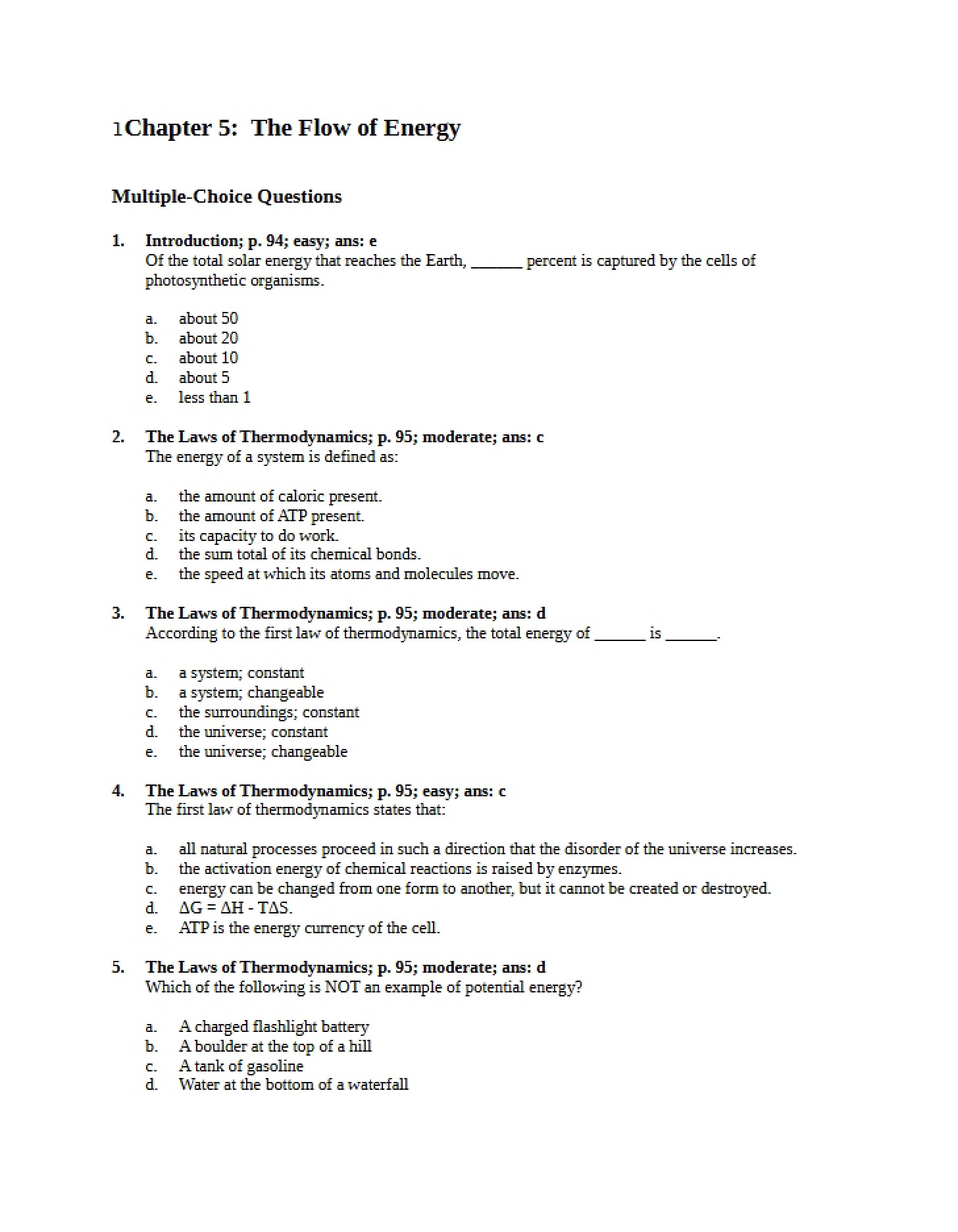
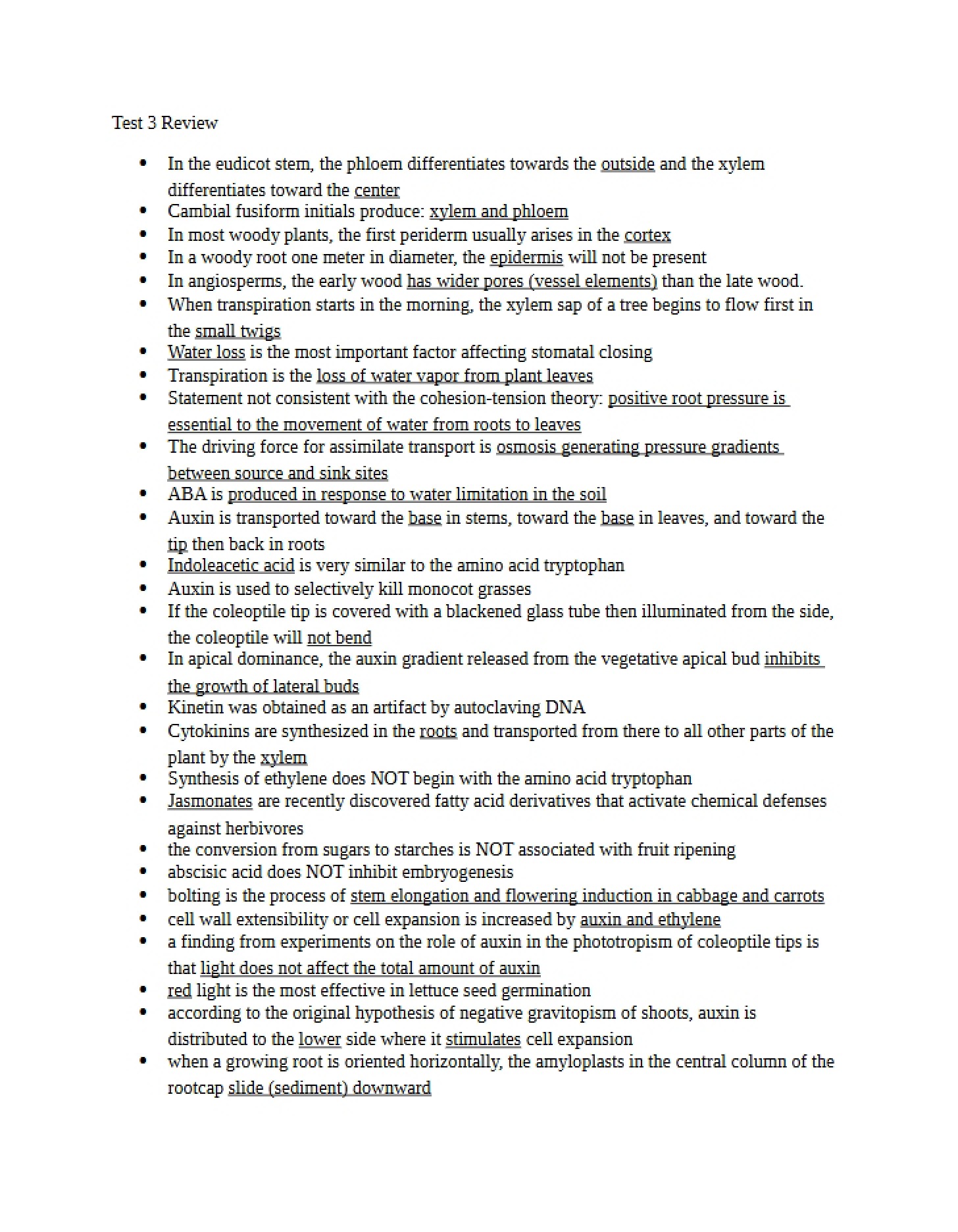
This material is a focused collection of assessment-style questions designed to test your understanding of evolutionary biology principles. Specifically, it centers on the core concepts within the study of how populations change over time – a foundational topic in Plant Form & Function (BIOL 425) at the University of South Carolina. The questions are formatted to mimic those you might encounter in a formal evaluation of the course material, covering a range of difficulty levels.
Why This Document Matters
This resource is ideal for students actively studying for quizzes and exams related to evolutionary processes. It’s particularly useful for self-assessment, allowing you to pinpoint areas where your knowledge is strong and identify topics requiring further review. Utilizing these questions as part of your study routine can help reinforce key definitions, principles, and applications of evolutionary theory within a plant biology context. It’s best used *after* you’ve engaged with the core lecture materials and readings.
Common Limitations or Challenges
This collection of questions does not provide comprehensive explanations or detailed walkthroughs of the underlying concepts. It’s designed to *test* your knowledge, not to teach it from scratch. Therefore, it’s most effective when used in conjunction with your course textbook, lecture notes, and other learning resources. It also doesn’t cover every single nuance of evolutionary biology – it focuses on a specific set of core ideas.
What This Document Provides
* A series of multiple-choice questions covering topics like Darwin’s theories and the mechanisms of evolutionary change.
* Questions assessing understanding of gene pool dynamics and allele frequencies within populations.
* Problems relating to the Hardy-Weinberg equilibrium principle and its applications.
* Questions exploring the factors that drive evolutionary change, including mutation, gene flow, and genetic drift.
* Difficulty level indicators for each question to help you focus your study efforts.
* References to relevant page numbers within the course textbook.