What This Document Is
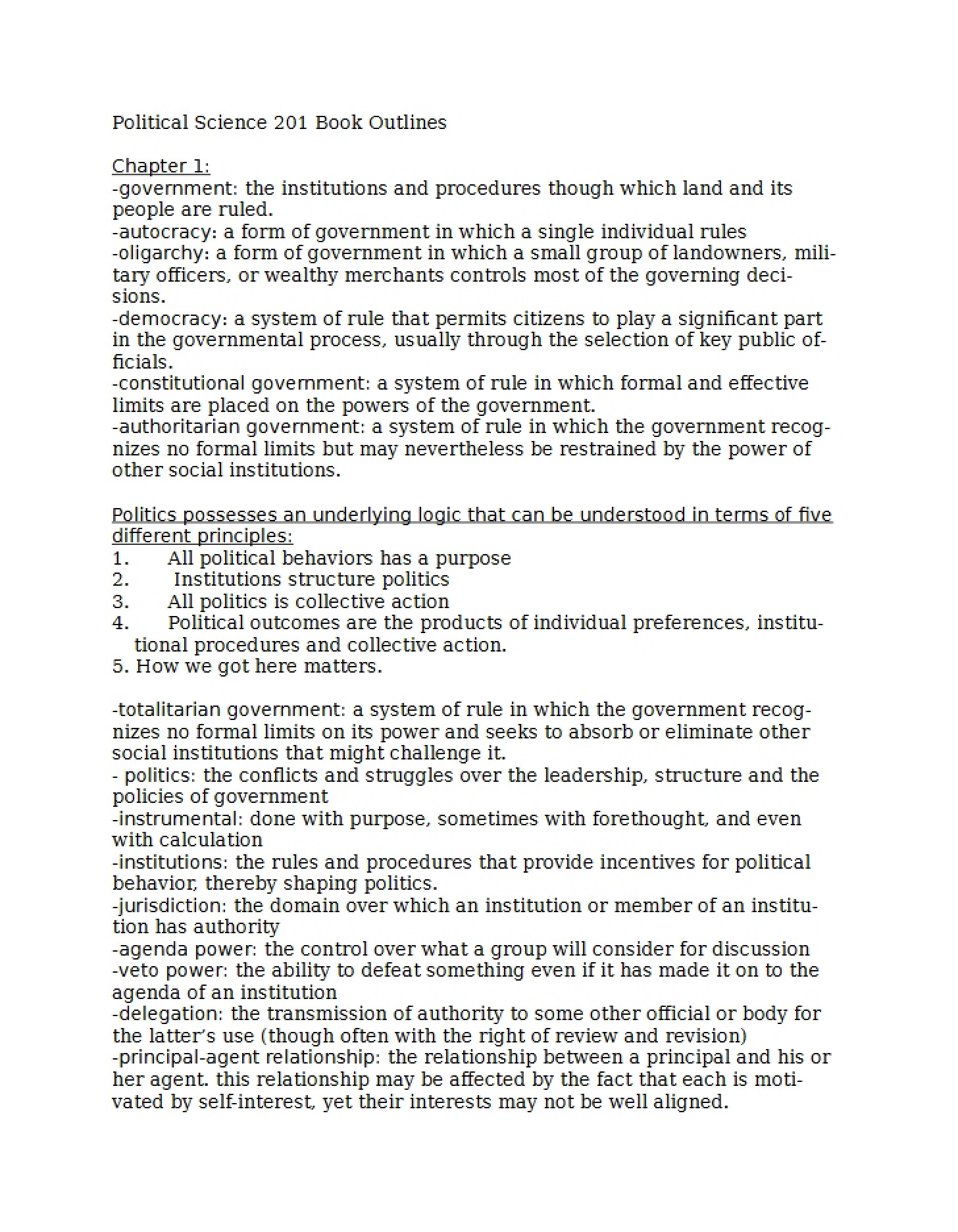
This is a detailed outline exploring the role and development of political parties within the American governmental system. Specifically, it focuses on concepts presented in the 6th edition of a widely-used political science textbook. It’s designed to provide a structured overview of the historical and theoretical foundations of parties, their functions, and how they’ve evolved alongside the U.S. Constitution and political landscape. The outline breaks down complex ideas into manageable sections, offering a roadmap for understanding this crucial aspect of American National Government.
Why This Document Matters
Students enrolled in American National Government courses – particularly POLI 201 at the University of South Carolina – will find this outline exceptionally helpful. It’s ideal for use during exam preparation, as a companion to assigned readings, or as a tool for structuring research and essays. Anyone seeking a deeper understanding of the forces that shape American politics, beyond simply *what* happens, but *why* it happens, will benefit from reviewing the core concepts presented here. It’s particularly useful for students who prefer a visual or organized approach to learning.
Common Limitations or Challenges
This outline is a condensed representation of a larger body of work. It does not include in-depth analysis, specific case studies, or current event applications. It’s designed to *supplement* – not replace – textbook readings, lectures, and independent research. The outline provides a framework for understanding, but it won’t offer complete answers or detailed explanations of every nuance within the topic of political parties. Access to the full chapter is required for a comprehensive grasp of the material.
What This Document Provides
* A chronological overview of the evolution of the American party system, identifying distinct eras.
* Key theoretical perspectives on the nature and purpose of political parties.
* An examination of the constitutional factors that influenced party development.
* Discussion of the core functions political parties serve in a democracy.
* Analysis of the structural characteristics of American party systems.
* Identification of recurring themes and patterns in party history.