What This Document Is
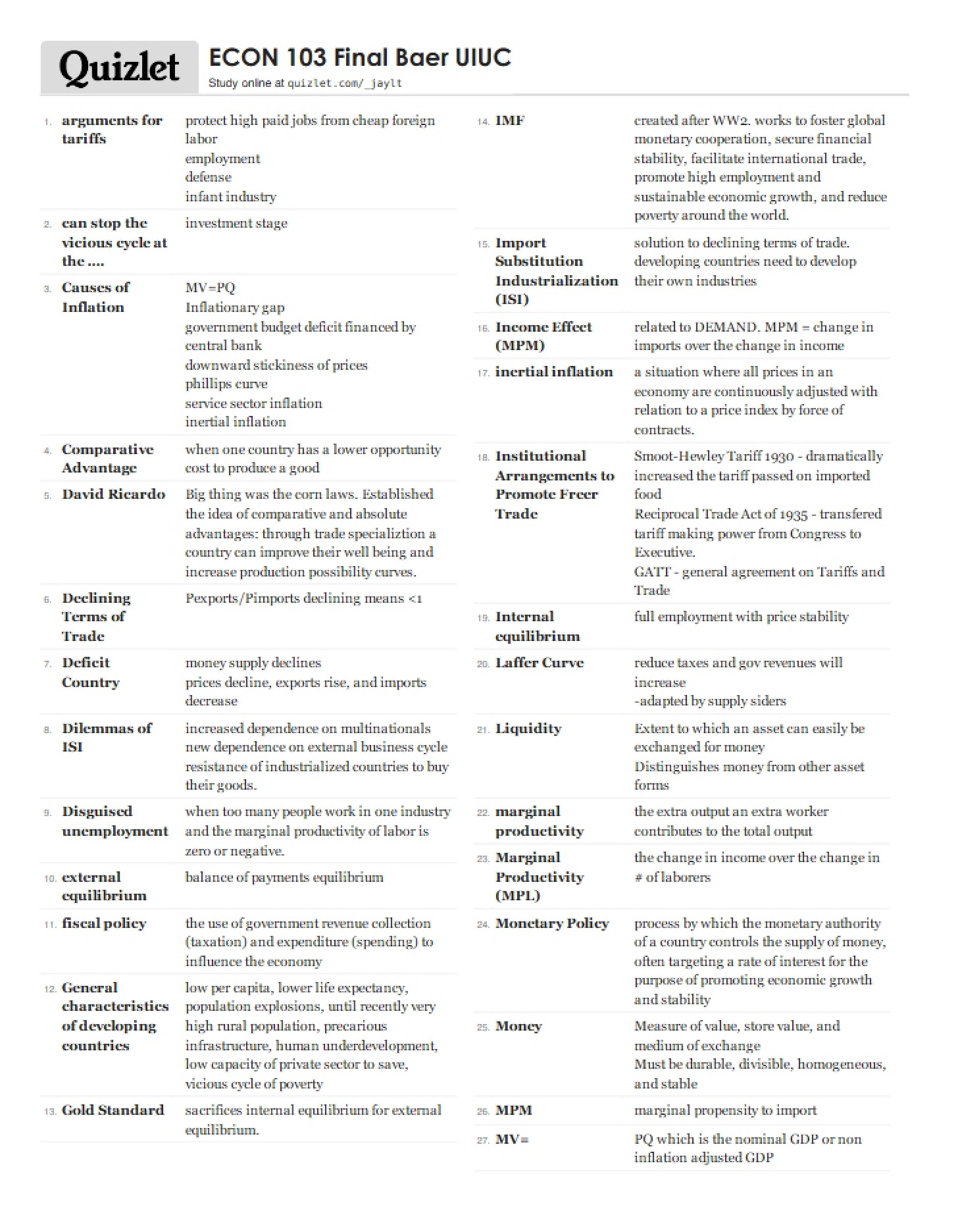
This study guide provides a focused exploration of key principles within Macroeconomic theory, specifically relating to aggregate supply and demand. Developed for students in an introductory Macroeconomics course (ECON 103) at the University of Illinois at Urbana-Champaign, it delves into the factors influencing an economy’s overall price level and output. It’s designed to help you build a strong foundation for understanding macroeconomic fluctuations and policy responses.
Why This Document Matters
This resource is ideal for students seeking to solidify their understanding of aggregate supply and demand dynamics. It’s particularly useful when preparing for quizzes, exams, or needing a concise review of the concepts discussed in Chapter 13. Students who are grappling with the relationship between economic output, inflation, and government policies will find this guide exceptionally helpful. It’s best used *alongside* your course textbook and lecture notes to reinforce learning.
Topics Covered
* The concept of aggregate supply and its various forms
* Factors causing shifts in the aggregate supply curve
* Distinction between different types of inflation (demand-pull, cost-push, stagflation)
* The role of capacity and unemployment in influencing price and output changes
* Long-run versus short-run aggregate supply considerations
* The impact of economic shocks on aggregate supply
* The relationship between monetary and fiscal policy and aggregate supply
* Potential output and its significance in macroeconomic analysis
What This Document Provides
* A detailed examination of the factors that can cause the aggregate supply curve to shift.
* An overview of how the economy’s operating capacity impacts the relationship between aggregate demand and aggregate supply.
* Clarification of the conditions under which different macroeconomic policies are most effective.
* A framework for understanding the complexities of stagflation and potential policy responses.
* Key terminology and concepts related to aggregate supply and demand equilibrium.